






What's Happening?
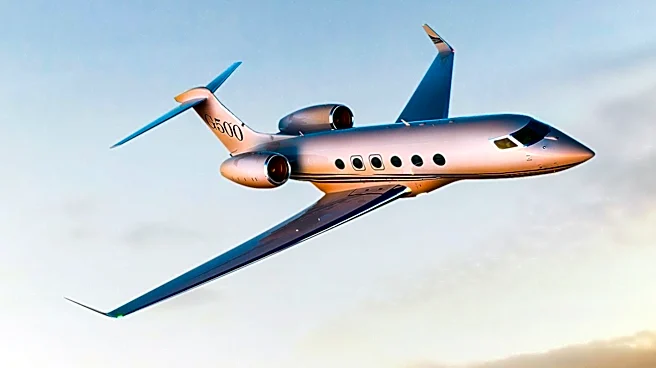
The Gulfstream V, first flown in 1995 and certified in 1997, remains a prominent figure in the ultra-long-range business aircraft sector. This aircraft was a pioneer in its category, offering a range exceeding 6,000 miles, which enables non-stop flights
such as Denver to Beijing or New Zealand to San Francisco. Known for its reliability and high performance, the Gulfstream V can cruise at 51,000 feet and is equipped with advanced features including a worldwide satellite-based Global Positioning System, enhanced weather radar, autopilot, and a head-up display. Safety is further augmented by an Enhanced Vision System, improving visibility in challenging conditions. The aircraft also features commercial and military communications equipment for secure voice and data capabilities. Its cabin can accommodate up to 18 passengers, with popular configurations seating 14 across multiple living areas, and includes amenities like a full-sized galley and multi-screen entertainment systems.
Why It's Important?
The continued operation and advanced capabilities of the Gulfstream V are significant for U.S. corporate and government sectors. With over 180 units in operation by corporate clients and the U.S. Air Force (designated as C-37A), its reliability supports critical long-distance travel for high-ranking officials and business leaders. The U.S. Coast Guard and Navy also utilize variants of this aircraft, underscoring its strategic importance for government and defense operations. The aircraft's ability to perform ultra-long-range flights efficiently reduces travel time and increases productivity for executives and officials, impacting business negotiations, diplomatic efforts, and rapid response capabilities. Its advanced safety and communication systems ensure secure and efficient travel, which is crucial for sensitive operations and high-stakes business dealings.
What's Next?
While the Gulfstream V's successors, the G500 and G550 (improved versions of the GV-SP), are currently in production, the existing fleet of Gulfstream V aircraft is expected to continue serving its diverse clientele for the foreseeable future. Ongoing maintenance and potential upgrades to its communication and navigation systems will likely ensure its operational relevance. The demand for ultra-long-range business jets remains strong, driven by globalized business operations and the need for efficient, secure, and comfortable long-distance travel. The continued use by U.S. government and military entities suggests a sustained investment in maintaining these aircraft, ensuring their readiness for various missions.
Beyond the Headlines
The enduring success of the Gulfstream V highlights a broader trend in aviation: the continuous pursuit of greater range, efficiency, and luxury in private air travel. This trend reflects the increasing interconnectedness of global economies and the premium placed on time and privacy for high-level individuals. The aircraft's dual use by corporate and government entities also illustrates the convergence of private sector innovation with public sector needs, particularly in areas requiring rapid deployment and secure communications. The technological advancements pioneered in aircraft like the Gulfstream V often trickle down or influence future developments in commercial aviation, setting new standards for comfort, safety, and operational capability.