


What's Happening?
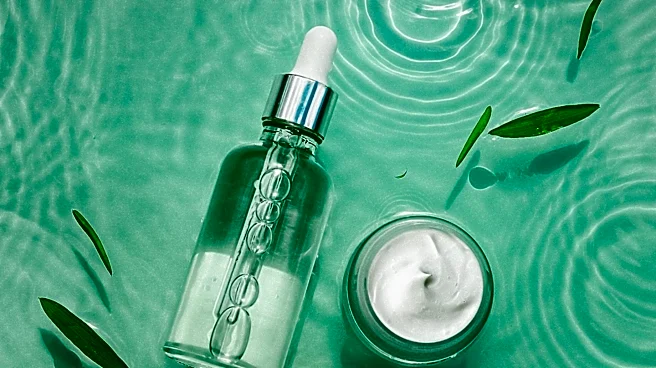
The beauty industry is experiencing a significant shift towards 'skinimalism,' particularly in products designed for mature skin. This trend emphasizes the use of fewer, more purposeful products that combine makeup performance with skincare-inspired ingredients.
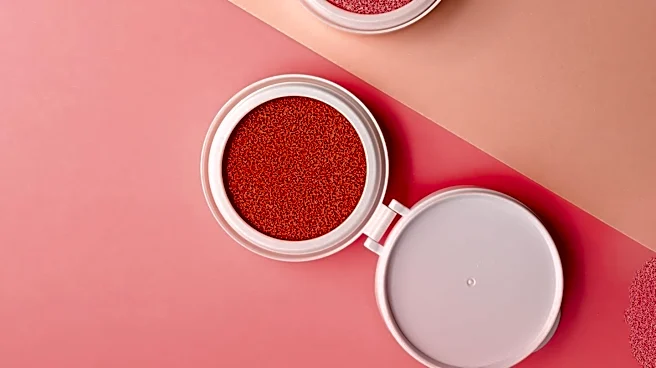
Manufacturers are focusing on creating hybrid beauty products that address specific concerns of aging skin, such as fine lines, dryness, and loss of elasticity, without relying on heavy, mask-like textures. The goal is to enhance natural beauty while providing effective solutions. This approach moves away from multi-step routines, prioritizing formulations that support skin barrier health and offer both cosmetic and therapeutic benefits. The demand for such products is driven by consumers seeking more effective and cost-efficient routines.
Why It's Important?
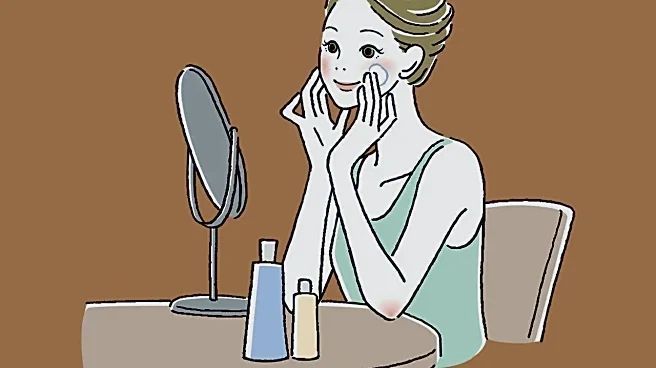
This shift towards 'skinimalism' is important for the U.S. beauty industry as it reflects evolving consumer preferences and presents new market opportunities. For consumers, it means access to products that are designed to be more efficient, potentially reducing the number of products needed and simplifying daily routines. This can lead to cost savings and improved skin health by minimizing exposure to numerous ingredients. For businesses, particularly OEM/ODM manufacturers, it necessitates innovation in product development, focusing on advanced formulations that integrate skincare actives with makeup. Companies that can successfully develop and market these multi-functional products will gain a competitive edge in a growing market segment, especially as the demographic of mature consumers continues to expand. The emphasis on skin barrier health also aligns with a broader wellness trend, influencing product development and marketing strategies.
What's Next?
The beauty industry is expected to continue innovating in the 'skinimalism' space, with a focus on research and development to create more sophisticated hybrid products. This will likely involve integrating advanced light-diffusing and soft-focus technologies, along with a wider range of hydrating and anti-aging active ingredients, into makeup formulations. Manufacturers will also need to ensure these products meet rigorous stability and efficacy testing standards to cater to global markets and diverse consumer needs. Brands, both established and emerging, will likely invest in marketing campaigns that highlight the multi-functional benefits and skin health advantages of 'skinimalism'-inspired products. Furthermore, the trend may influence other beauty categories, leading to a broader adoption of minimalist and multi-purpose approaches across the entire beauty landscape.
Beyond the Headlines
Beyond the immediate product development, the 'skinimalism' trend reflects a deeper cultural shift towards authenticity and a more holistic approach to beauty. It challenges the long-standing industry narrative that more products equate to better results, instead promoting a philosophy of mindful consumption and self-care. This could lead to a re-evaluation of beauty standards, moving away from heavily made-up looks towards a celebration of natural skin and individual features. Ethically, it encourages transparency in ingredient sourcing and formulation, as consumers become more discerning about what they apply to their skin. The emphasis on skin barrier health also highlights a growing scientific understanding of dermatological needs, pushing the industry towards more evidence-based product development. This trend could foster a more sustainable beauty industry by potentially reducing packaging waste and promoting more concentrated, effective formulations.