




What's Happening?
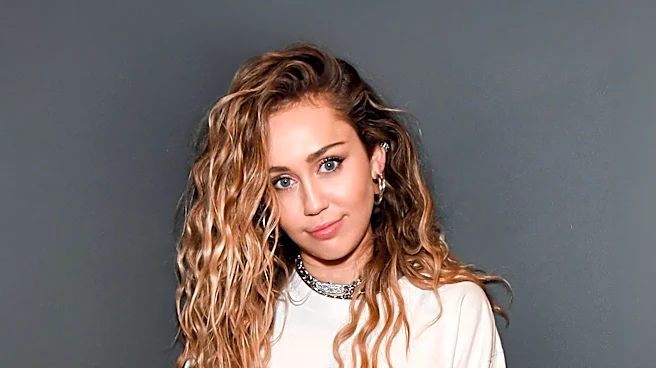
Maybelline New York has launched a new campaign featuring Miley Cyrus and an updated version of its iconic slogan. The original tagline, 'Maybe she's born with it. Maybe it's Maybelline,' has been modified to 'Maybe. We're born with it. Maybe. It's Maybelline.'
The changes involve replacing 'she's' with 'we're' for inclusivity and adding periods after each 'Maybe.' According to Sandrine Jolly, Maybelline's global brand president, the intention behind adding periods is to transform 'maybe' from a question of ambiguity into a statement of possibility, aligning with what the company believes women need today. The new slogan has been met with mixed reactions, with some online commentators suggesting the company should reconsider the change, likening it to 'rage-bait' or an outcome of excessive corporate input.
Why It's Important?
This rebranding effort by Maybelline is significant as it reflects a broader trend in the beauty industry towards inclusivity and modern messaging. By changing 'she's' to 'we're,' Maybelline aims to appeal to a wider demographic and align with contemporary social values. However, the negative reception to the grammatical alteration highlights the challenges brands face when attempting to modernize well-established and beloved slogans. A poorly received slogan can impact brand perception, potentially alienating long-time customers and failing to resonate with new audiences. The public's reaction, as seen in online comments, underscores the importance of consumer sentiment in marketing strategies and the potential for backlash when changes to iconic brand elements are perceived as clunky or unnecessary. This situation could influence how other major brands approach similar rebranding initiatives in the future, emphasizing the need for careful consideration and testing of new messaging.
What's Next?
Maybelline will likely monitor public and consumer reactions to its new slogan and campaign. The company's global brand president, Sandrine Jolly, has articulated the strategic intent behind the change, suggesting a commitment to the new messaging. However, if negative feedback persists or escalates, Maybelline might need to re-evaluate its approach. The success of the Miley Cyrus-fronted campaign, which also includes a reimagined jingle, will be a key indicator of whether the new branding resonates with the target audience. Future marketing efforts will likely either reinforce the new slogan or subtly pivot if it proves to be a significant point of contention among consumers. The beauty industry will be watching to see how this high-profile rebranding unfolds and its impact on Maybelline's market position.
Beyond the Headlines
The controversy surrounding Maybelline's slogan change touches upon the delicate balance between brand evolution and consumer loyalty. Iconic slogans often carry a nostalgic and emotional weight for consumers, making any alteration a high-stakes decision. This incident highlights the broader cultural conversation around language, inclusivity, and the perceived authenticity of corporate messaging. The idea that the new slogan 'sounds like a woman being interrupted' suggests a deeper critique of how corporate decisions, even those intended to be progressive, can sometimes be perceived as tone-deaf or overly engineered. It also raises questions about the role of AI or committee-driven processes in creative branding, as some theorized the slogan could be 'AI generated' or a product of '20 corporate stakeholders.' This event serves as a case study in the complexities of modern branding in a highly scrutinized and socially conscious marketplace.