








What's Happening?
Japan's mountainous regions, particularly the Japanese Alps, provide a variety of walking and hiking opportunities. Kamikōchi, known as a sanctuary valley, offers a classic stroll along the Azusa River, with options for seasoned hikers to climb to mountain huts.
The Nakasendō, an old road connecting Edo to Kyoto, features trails through forests, hamlets, and waterfalls, including an 8-kilometer paved path from Magome to Tsumago. Additionally, the Tateyama-Kurobe Alpine Route allows for traversing the range via a relay of funiculars, ropeways, and high-altitude buses, with the Kurobe Dam as a central feature and a famous snow corridor in spring. These areas are accessible during specific seasons, with Kamikōchi and the Alpine Route generally open from mid-April to mid-November.
Why It's Important?
These diverse walking experiences highlight Japan's commitment to preserving natural landscapes and historical routes, offering unique recreational and cultural tourism opportunities. The emphasis on public transport and the banning of private cars in areas like Kamikōchi demonstrate a focus on environmental conservation and sustainable tourism. For international visitors, these routes provide an alternative to urban exploration, showcasing Japan's natural beauty and historical infrastructure. The varying terrain, from gentle river walks to challenging mountain climbs, caters to a wide range of physical abilities and interests, potentially boosting regional economies through tourism revenue for local accommodations, guides, and businesses. The seasonal nature of some routes also influences travel planning and local economic cycles.
What's Next?
Travelers planning to explore these Japanese walking routes should continue to monitor seasonal opening dates, particularly for Kamikōchi and the Tateyama-Kurobe Alpine Route, which are subject to weather conditions and close during winter. It is advisable to check public transport schedules, as many routes rely on buses and trains, and some private bus lines are not covered by the nationwide JR Pass. Visitors should also consider booking accommodations in advance, especially in popular areas like Tsumago, to experience the local atmosphere after day-trippers depart. Future developments may include enhanced infrastructure for hikers and continued efforts to promote sustainable tourism practices in these ecologically sensitive areas.
Beyond the Headlines
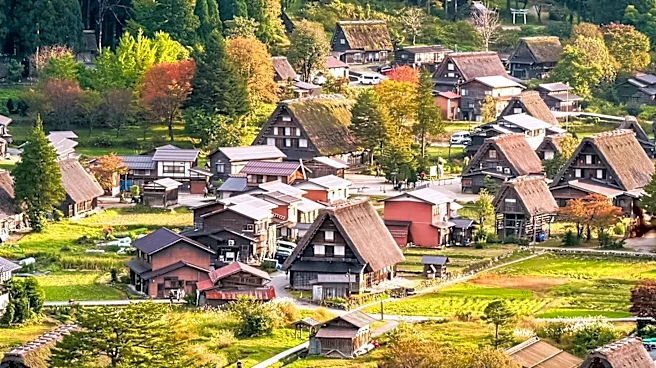
The preservation of routes like the Nakasendō offers a tangible connection to Japan's Edo period, allowing visitors to literally walk in the footsteps of history. The contrast between the bustling megacities and the serene, preserved natural environments of the Alps underscores a broader cultural value placed on both modernity and tradition. The unique experiences, such as sleeping in a Tsumago ryokan or witnessing the snow monkeys in Jigokudani, contribute to a deeper understanding of Japanese culture and its relationship with nature. These walking experiences also promote physical well-being and mental rejuvenation, aligning with global trends in wellness tourism and the desire for authentic, immersive travel experiences.