



What's Happening?
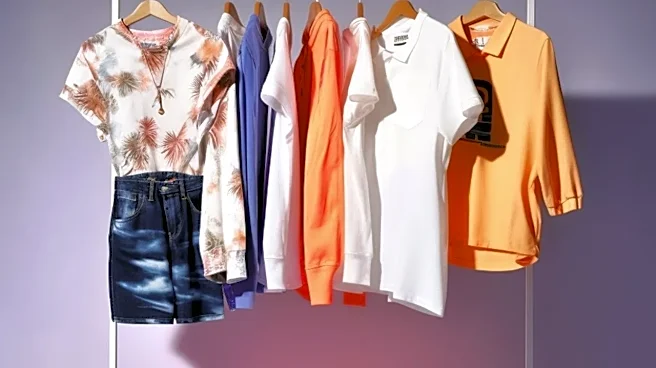
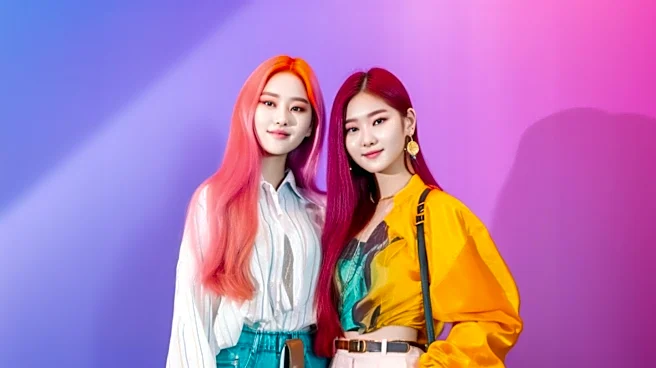
Capsule collections are evolving beyond the traditional reliance on black, white, gray, and beige, according to MioLook. Stylists are now advocating for dynamic color cores, utilizing complex, vibrant shades like emerald, rich fuchsia, dark sapphire,
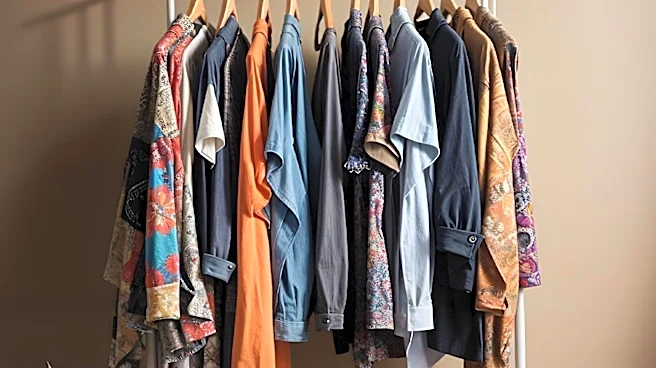
deep olive, burgundy, and dark chocolate as foundational colors. This shift challenges the long-held belief that neutral palettes are essential for a minimalist wardrobe. The approach focuses on high-quality investment pieces, coordinated two-piece sets, and versatile items that can be mixed and matched. The goal is to create a cohesive wardrobe where every piece works together, reducing decision fatigue and increasing outfit combinations. Transitional fabrics such as cotton-linen blends are also highlighted for their adaptability across varying temperatures, particularly for seasonal capsules like an October wardrobe, as noted by SOERA.
Why It's Important?
This redefinition of capsule wardrobes has significant implications for the fashion industry and consumer behavior in the U.S. By moving away from sterile neutrals, brands and retailers may see increased demand for clothing in a wider spectrum of colors, potentially influencing design and production cycles. Consumers, particularly those seeking to express individuality while maintaining a functional wardrobe, stand to gain from this approach. It encourages more thoughtful purchasing decisions, prioritizing versatility and longevity over impulse buys, which could lead to a reduction in 'fast fashion' consumption. The emphasis on coordinated sets and transitional fabrics also addresses the practical needs of consumers facing fluctuating weather conditions, offering a more adaptable and sustainable way to dress. This shift could also empower individuals to use color as a tool for mood management and self-expression, moving beyond the constraints of conventional dress codes.
What's Next?
The trend towards vibrant, dynamic capsule wardrobes is likely to continue gaining traction, with fashion brands potentially introducing more diverse color palettes in their core collections. Consumers can expect to see an increased availability of coordinated sets and versatile pieces designed for multi-season wear. Stylists and fashion educators may further promote color theory and personalized palette building, moving away from one-size-fits-all neutral recommendations. The integration of AI styling tools, such as MioLook's Smart Wardrobe, could become more prevalent, helping individuals visualize how new purchases fit into their existing colorful capsules. This could lead to a more informed and intentional approach to shopping, with a focus on creating a wardrobe that truly reflects personal style and practical needs, rather than adhering to outdated minimalist norms.
Beyond the Headlines
The evolution of the capsule wardrobe reflects a broader cultural shift towards conscious consumption and personal expression. Beyond mere aesthetics, the emphasis on color and versatility challenges the notion that professionalism or sophistication must be equated with muted tones. This movement encourages individuals to embrace color as a powerful tool for communication and self-confidence, potentially impacting workplace dress codes and societal perceptions of appropriate attire. The focus on longevity and thoughtful purchasing also aligns with growing environmental concerns, promoting a more sustainable approach to fashion by reducing textile waste. This paradigm shift suggests a future where personal style is less about accumulating numerous items and more about curating a well-considered collection that is both functional and reflective of one's unique identity, fostering a deeper connection between individuals and their clothing choices.