





What's Happening?
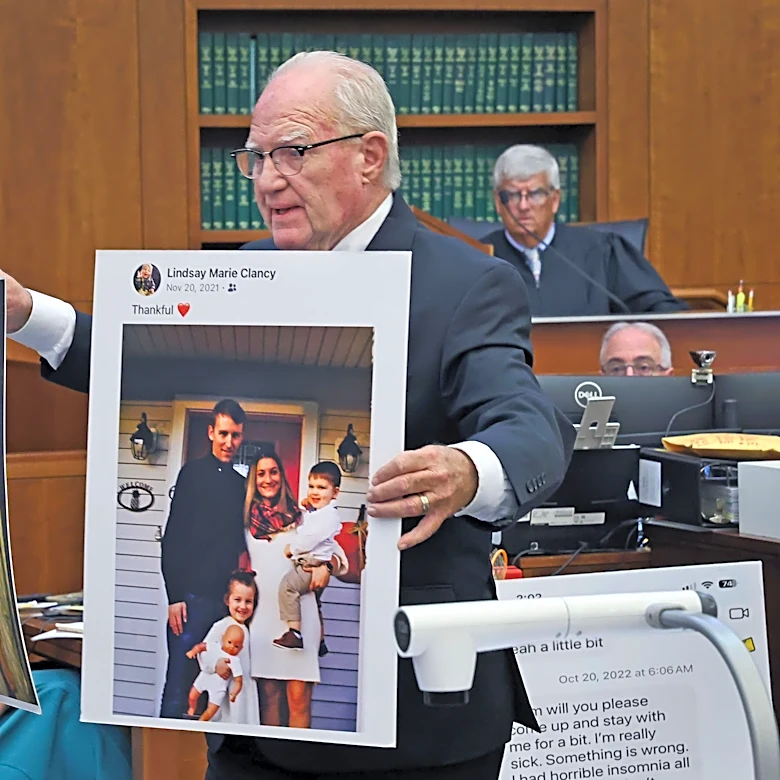
A judge has ordered the CEO of State Farm Insurance to provide sworn testimony in a lawsuit filed by a Broken Arrow couple. The couple alleges that State Farm wrongfully denied them a fair payment for a legitimate roof claim. This ruling comes amidst
broader concerns in Oklahoma regarding rising electricity bills, with over 26,000 people signing a petition demanding greater transparency and fewer rate increases from Public Service Company of Oklahoma. The petition, initiated by Tulsa resident Raelynn McMurchy, highlights the unsustainability of current increases. The legal action against State Farm underscores a growing sentiment among some Oklahomans that large corporations are not adequately addressing consumer concerns, whether related to insurance claims or utility costs. The case will delve into the specifics of the denied roof claim and the company's internal processes for evaluating such claims.
Why It's Important?
This legal development is significant for several reasons. For the Broken Arrow couple, it represents a crucial step in their pursuit of justice and fair compensation, potentially setting a precedent for other policyholders facing similar issues with insurance companies. More broadly, the order for a CEO to testify under oath in such a case signals a heightened level of judicial scrutiny on corporate practices, particularly in industries that directly impact homeowners and consumers. This could lead to increased accountability for insurance providers and potentially influence how claims are handled across the industry in Oklahoma. The concurrent public outcry over electricity bills further illustrates a broader consumer protection issue in the state, where residents are increasingly vocal about perceived unfair practices and lack of transparency from major service providers. The outcome of this lawsuit could empower consumers and encourage more rigorous oversight of corporate conduct in Oklahoma.
What's Next?
The State Farm CEO will now be required to answer questions under oath, which could provide critical insights into the company's policies and decision-making processes regarding insurance claims. This testimony will be a key component of the ongoing lawsuit, potentially influencing its direction and eventual outcome. Depending on the revelations from the CEO's testimony, the case could either move towards a settlement or proceed to trial. For other Oklahomans, the progress of this lawsuit, alongside the ongoing petition against electricity rate hikes, may encourage more individuals to challenge corporate decisions they deem unfair. This could lead to a more active consumer advocacy landscape in the state, potentially prompting legislative or regulatory bodies to consider stricter consumer protection measures in the insurance and utility sectors.
Beyond the Headlines
Beyond the immediate legal implications, this case touches upon the broader societal expectation of corporate responsibility and transparency. In an era where consumers often feel disempowered when dealing with large corporations, a court order compelling a CEO to testify can be seen as a symbolic victory for consumer rights. It highlights the power of the judicial system to hold even the highest-ranking corporate officials accountable. This situation also reflects a growing tension between corporate profit motives and public welfare, particularly in essential services like insurance and utilities. The outcome could influence public trust in these industries and potentially lead to a re-evaluation of regulatory frameworks designed to protect consumers from perceived corporate overreach or negligence. It underscores the importance of individual legal action in driving systemic change and fostering greater corporate accountability.