




What's Happening?
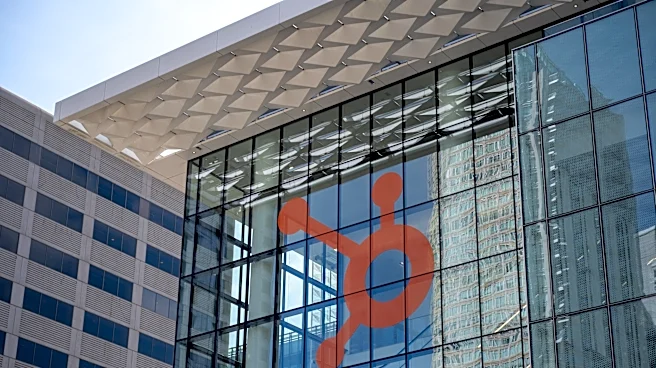
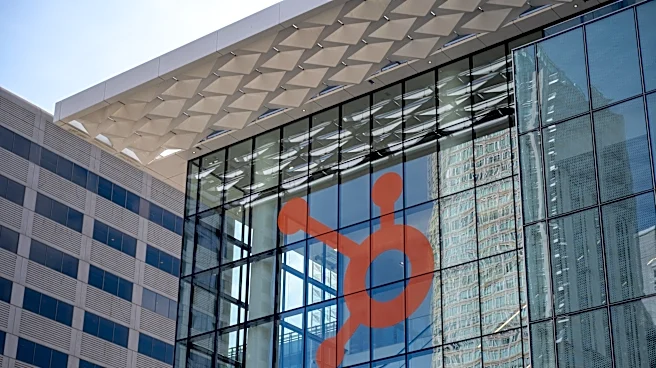
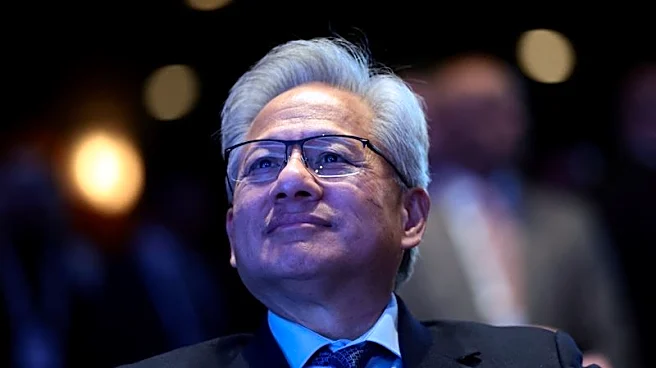
Brian Halligan, co-founder of HubSpot, has returned to his role as CEO, replacing Yamini Rangan. His return comes as HubSpot's stock has significantly plummeted, falling from over $800 in early 2025 to the low $200 range. Halligan aims to revitalize the company
by positioning it at the forefront of artificial intelligence (AI) for businesses, particularly in marketing and customer service management. He views this period as a 'refounding moment' for HubSpot, emphasizing big changes rather than incremental ones. Under Rangan's leadership, HubSpot had tripled its revenue, projected to reach $3.7 billion this year, and expanded its customer base. However, investor concerns over pricing changes, slowing revenue growth, and potential AI competition contributed to the stock's decline. Additionally, Rangan oversaw a 7% workforce reduction, impacting approximately 660 jobs in October. Halligan intends to double down on the company's Boston roots, stating his goal to 'put the 'Hub' back in HubSpot.'
Why It's Important?
Halligan's return to HubSpot's leadership is significant for the company's strategic direction and its standing in the competitive software industry. His focus on AI integration could redefine how small and mid-sized businesses manage their marketing and customer service, potentially setting new industry standards. The success or failure of HubSpot's AI pivot under Halligan will serve as a case study for other tech companies grappling with rapid technological shifts and investor expectations. For the broader U.S. tech ecosystem, particularly in Boston, Halligan's ambition to make HubSpot a flagship AI company could bolster the region's reputation as an 'applied AI' hub, attracting talent and investment. Conversely, if HubSpot struggles to regain investor confidence and market share, it could signal challenges for established tech firms in adapting to the AI era. The outcome will impact shareholders, employees, and the competitive landscape of business software solutions.
What's Next?
HubSpot is expected to intensify its focus on AI development and integration into its core services. Halligan plans to significantly expand the capabilities of HubSpot's 'Breeze' AI assistant, aiming to increase the percentage of app functions coordinated through chatbots from 20% to 80%. This aggressive push into AI will likely involve substantial investment in research and development, potential acquisitions, and strategic partnerships. The company will need to demonstrate tangible progress in AI innovation and market adoption to regain investor trust and stabilize its stock price. Halligan's emphasis on HubSpot's Boston roots suggests a potential increase in local hiring and community engagement, which could benefit the regional tech economy. The coming months will reveal how effectively Halligan can execute his vision and whether his 'refounding moment' translates into sustained growth and market leadership in the AI-driven business software sector.
Beyond the Headlines
Halligan's return to HubSpot highlights a broader trend in the tech industry where founders are stepping back into leadership roles to navigate periods of significant technological disruption, such as the rise of AI. This move reflects a belief that original visionaries may be best equipped to steer companies through transformative phases, especially when facing intense competition and investor skepticism. The narrative also touches upon the ongoing debate about the concentration of AI innovation in Silicon Valley versus other tech hubs like Boston. Halligan's explicit goal to elevate Boston's AI presence through HubSpot underscores regional competition for tech leadership. Furthermore, the challenges HubSpot faced under previous leadership, including workforce reductions and stock depreciation despite revenue growth, illustrate the immense pressure on tech companies to not only grow but also innovate rapidly and maintain investor confidence in a volatile market driven by emerging technologies.