







What's Happening?
The University of Maine and the Maine Agricultural and Forest Experiment Station are spearheading research to transform the state's abundant forest resources into high-value bioproducts, offering sustainable alternatives to petroleum-based plastics. This
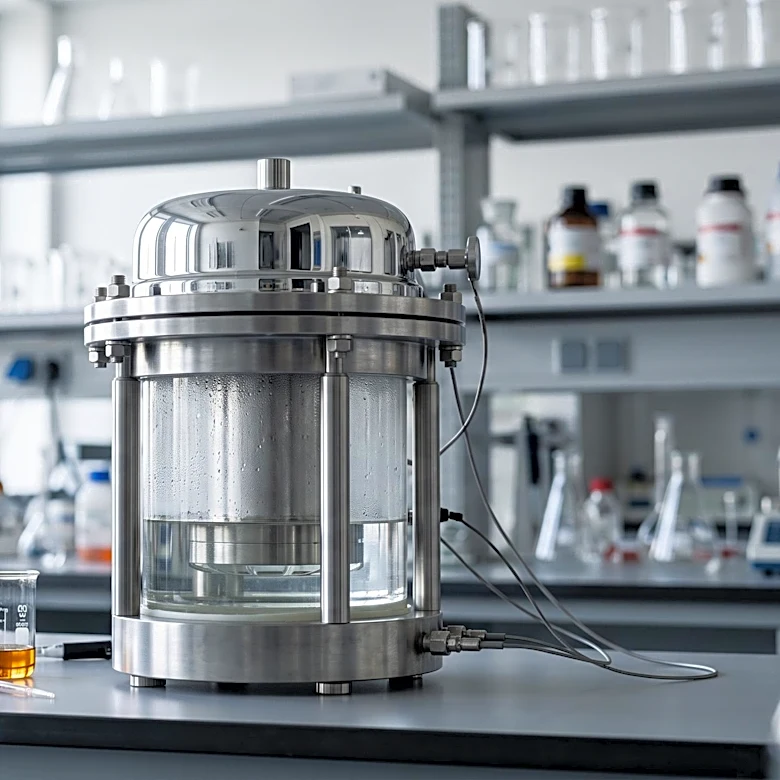
initiative, guided by the Maine Forest Opportunity Roadmap, aims to position Maine as a global leader in a diverse forest products economy. Researchers are developing liquid-foam forming technologies that utilize lignocellulosic fibers and cellulose nanomaterials to create biodegradable insulation and packaging. This process uses uniform micro-bubbles to carry wood fibers, resulting in low-density materials with highly uniform porosity. By using wood residues and low-cost fibers as primary feedstocks, the university is creating new markets for low-value wood supply. Additionally, innovation extends to the molding and drying of three-dimensional foamed products, using porous molds transparent to microwave radiation for rapid and energy-efficient drying. The university is also developing vacuum-forming methods to coat 3D objects with nanocellulose and integrating natural systems like turkey tail mushroom mycelium for water-resistant barriers, accelerating their growth process for commercial viability.
Why It's Important?
This research is critical for addressing the global issue of microplastic pollution, as the global market for foam packaging, valued at over $17 billion, largely relies on products that contribute significantly to this problem. By developing biodegradable alternatives, the University of Maine is directly tackling a major environmental challenge. Economically, this initiative provides a significant boost to Maine's forest products industry, which already contributes over $8.3 billion annually to the state economy and supports over 30,000 skilled workers. It creates new markets for wood residues and low-cost fibers, enhancing the value of a renewable resource. Furthermore, the development of high-performance alternatives to fossil-fuel-based plastics aligns with the growing demand for sustainable materials, potentially establishing Maine as a leader in the circular bioeconomy. This work also supports the growth of the mass timber market by providing data on moisture and temperature effects, increasing confidence in using Maine wood for large-scale construction.
What's Next?
The university's efforts are focused on moving these bio-based technologies closer to commercial viability for large-scale manufacturing. This includes further research into optimizing the liquid-foam forming processes, refining the molding and drying techniques for 3D products, and scaling up the integration of natural binders like mushroom mycelium. The research also involves systematic techno-economic analysis to evaluate the financial feasibility of these processes for Maine's industries. Dissemination of these results through peer-reviewed journals and professional conferences aims to encourage the adoption of sustainable practices. The long-term vision is to train the next generation of the research workforce in wood physics and bioprocessing, ensuring the sustained growth of the industry and securing livelihoods for Maine families while positioning the state as a leader in the sustainable materials revolution.
Beyond the Headlines
Beyond the immediate technological advancements, this initiative represents a significant shift towards a circular bioeconomy, where waste products are upcycled and natural resources are utilized sustainably. The research into engineered biochar from waste biomass, for instance, turns an environmental management challenge into a value-added product for agriculture, improving soil health and carbon sequestration. This holistic approach provides a blueprint for decentralized, co-located production systems that reduce transportation emissions, contributing to broader climate goals. The focus on reusing and reprocessing food waste streams from Maine's industries to create bioproducts further exemplifies this commitment to resource efficiency. This work highlights the potential for regional innovation to address global environmental and economic challenges, fostering a model where economic growth is intrinsically linked with environmental stewardship and community well-being.