
What's Happening?
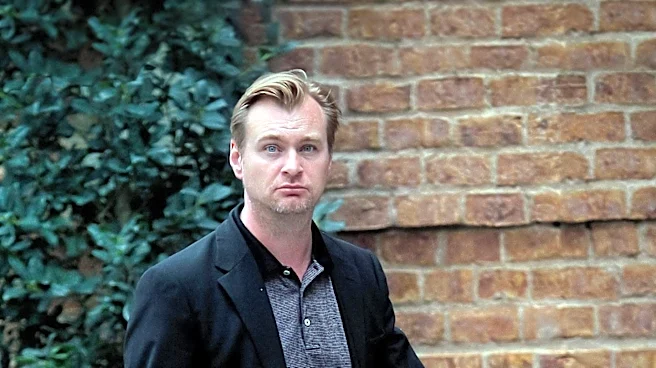
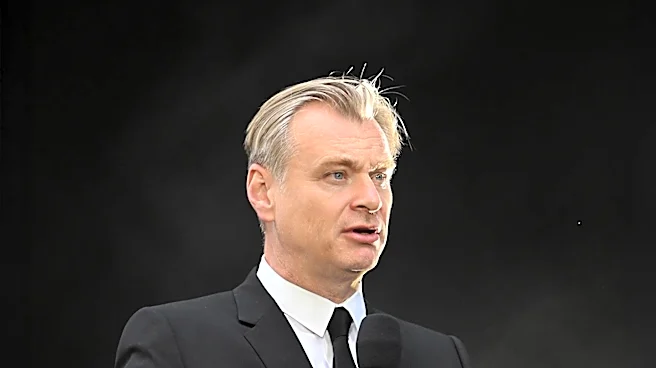
Christopher Nolan's film adaptation of Homer's 'The Odyssey' has sparked discussions about its interpretation of the classic epic. The film, starring Matt Damon as Odysseus, has been a commercial success,
grossing $264 million at the box office during its opening weekend. However, it has also drawn criticism for its portrayal of characters and the omission of certain elements from the original poem. Nolan's adaptation focuses on human motivations and choices, largely omitting the presence of gods and altering the character dynamics, such as the relationship between Odysseus and his son Telemachus. The film's approach reflects modern sensibilities and Nolan's own preoccupations, leading to a version of the story that differs significantly from the original epic.
Why It's Important?
The film's success and the ensuing debate highlight the enduring relevance of classic literature and the challenges of adapting such works for modern audiences. Nolan's interpretation of 'The Odyssey' raises questions about fidelity to source material and the balance between artistic vision and respect for the original text. The film's commercial success suggests a strong public interest in reimagined classics, but it also underscores the potential for controversy when beloved stories are altered. This adaptation may influence future film projects and discussions about how ancient texts can be adapted to reflect contemporary themes and values.