





What's Happening?
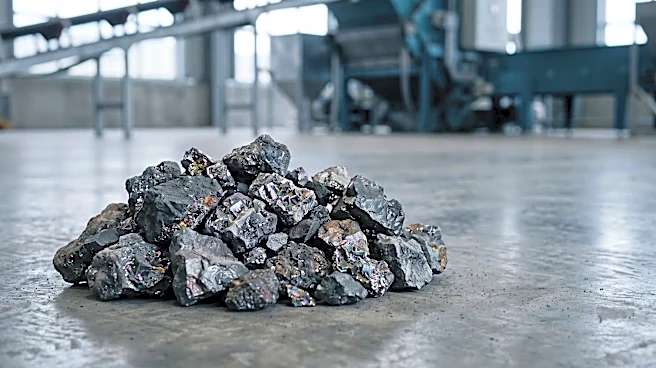
Aclara Metals, a joint venture between Aclara Resources and CAP, has successfully produced magnet-grade neodymium-praseodymium (NdPr) metal at its demonstration facility in Talcahuano, Chile. The production was achieved using proprietary molten salt electrolysis
technology. The plant, launched in October 2026, has produced a total of 767kg of NdPr to date, with a recent continuous run yielding 560kg over three days. Independent laboratory analysis has confirmed that the NdPr metal meets quality standards for magnet manufacturing. Aclara Metals views this achievement as a significant milestone, validating its equipment design and production process at scale. The company plans to produce over one tonne of NdPr in December 2026 and is engaging with magnet manufacturers for industrial qualification trials of its product. Data from this demonstration plant will be used to support the basic engineering for a planned industrial-scale facility in Louisiana, U.S., and to develop a predictive digital twin for process optimization.
Why It's Important?
The successful production of magnet-grade NdPr by Aclara Metals is crucial for the U.S. as it aims to strengthen its domestic supply chain for critical rare earth elements. Neodymium and praseodymium are essential components in high-strength permanent magnets used in electric vehicles, wind turbines, and various high-tech applications. Currently, the U.S. heavily relies on foreign sources for these materials. Aclara Metals' plan to establish an industrial-scale facility in Louisiana could significantly reduce this dependency, enhancing national security and economic resilience. This development could also stimulate job creation in the U.S. manufacturing sector and foster technological advancements in rare earth processing. Furthermore, the proprietary electrolysis technology could offer a more efficient and environmentally sound method for producing these critical metals, potentially setting new industry standards and reducing the environmental footprint associated with traditional extraction methods.
What's Next?
Aclara Metals is set to continue its production efforts, aiming to exceed one tonne of NdPr in December 2026. The company will also proceed with discussions and arrangements for industrial qualification trials with magnet manufacturers, which are critical for validating the metal's commercial viability. The data gathered from the demonstration plant will be instrumental in the basic engineering phase for the planned industrial-scale facility in Louisiana. This next phase will involve detailed planning and design, followed by securing necessary permits and funding for construction. The development of a predictive digital twin will also progress, aiming to optimize future production processes. Successful qualification trials and the establishment of the U.S. facility would mark a significant step towards a more secure and diversified supply of rare earth magnets for American industries.
Beyond the Headlines
This development by Aclara Metals has broader implications for the global rare earth market and U.S. industrial policy. The ability to produce magnet-grade NdPr using proprietary technology could position the U.S. as a leader in advanced rare earth processing, challenging existing supply chain dynamics. It underscores a strategic shift towards 'mine-to-metal' capabilities, ensuring greater control over the entire value chain of critical minerals. This initiative aligns with broader U.S. government efforts to reshore manufacturing and secure supply chains for essential technologies. The focus on a planned facility in Louisiana also highlights the potential for regional economic revitalization through high-tech manufacturing. Furthermore, the use of advanced electrolysis technology could set a precedent for more sustainable and efficient rare earth production globally, addressing environmental concerns often associated with traditional methods and promoting a greener industrial future.