

What's Happening?
Fashion designers are shifting away from the minimalist trends of the 1990s and embracing the bold, extravagant styles of the 1980s. This change is evident in the latest runway shows, where designers like Anthony Vaccarello at Saint Laurent and Alessandro
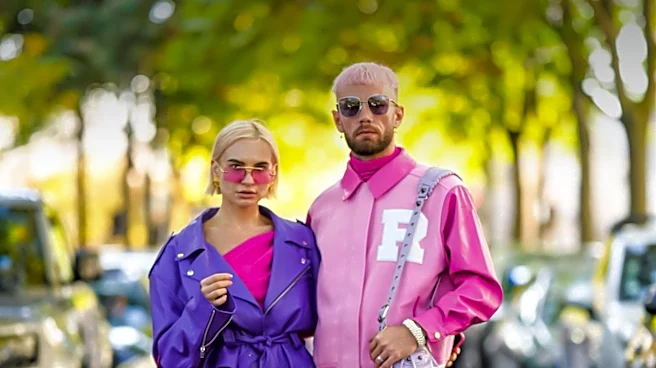
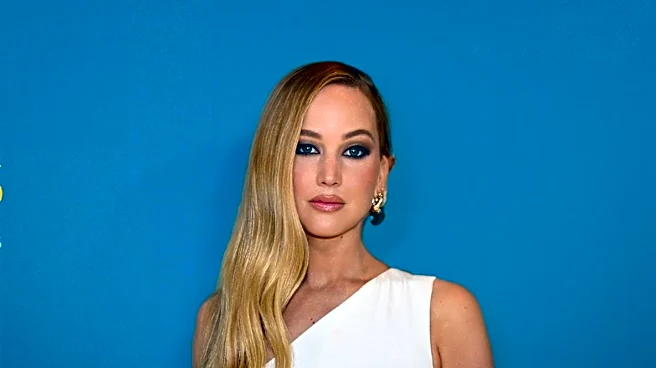
Michele at Valentino are pushing for more imposing silhouettes and vibrant colors. The resurgence of the power suit, particularly in its blazer-and-shorts form, is a key element of this trend. Additionally, the return of stirrup pants and oversized accessories, such as aviator sunglasses and sculptural earrings, highlights the industry's move towards more expressive fashion choices. This shift is not only seen on the runways but also on red carpets and in everyday street fashion.
Why It's Important?
The revival of 1980s fashion trends signifies a broader cultural shift in the fashion industry, moving away from the understated elegance of the 1990s to a more expressive and bold aesthetic. This change could influence consumer behavior, encouraging individuals to experiment with more daring fashion choices. Retailers and designers may benefit from increased sales as consumers seek to update their wardrobes with these vibrant styles. The trend also reflects a cyclical nature in fashion, where past styles are reimagined for contemporary audiences, potentially leading to new creative opportunities and collaborations within the industry.
What's Next?
As the 1980s trends continue to gain popularity, it is likely that more designers will incorporate these elements into their collections. Fashion retailers may adjust their inventory to meet the growing demand for bold colors and structured silhouettes. Additionally, fashion influencers and celebrities could play a significant role in popularizing these trends, further driving consumer interest. The industry may also see a rise in vintage shopping as consumers seek authentic 1980s pieces to complement their modern wardrobes.
Beyond the Headlines
The resurgence of 1980s fashion trends may also have cultural implications, as it reflects a desire for self-expression and individuality in a post-pandemic world. This shift could influence other creative industries, such as music and film, where the aesthetics of the 1980s might inspire new works. Furthermore, the trend highlights the fashion industry's ability to adapt and reinvent itself, drawing from past influences to create something new and relevant for today's audience.