
What's Happening?
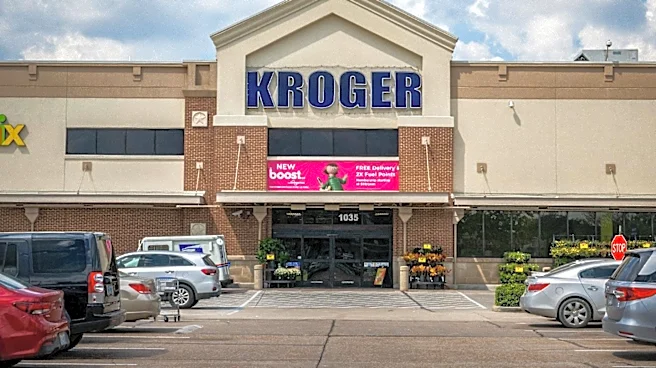
Kroger is facing accusations from the antimonopoly group American Economic Liberties Project regarding its extensive collection and monetization of customer data. A report released by the group details
how Kroger allegedly generates hundreds of millions of dollars by selling data gathered from its loyalty program members to other businesses. The report claims that Kroger's data and surveillance apparatus expands with every store acquisition, leading to what the group describes as an 'increasingly inhumane and demoralizing shopping experience.' The report also highlights Kroger's use of AI-powered cameras, facial recognition technology, CCTV recordings, and automated license plate readers to collect sensory data on customers. Furthermore, Kroger reportedly changed its privacy policy in September to include facial recognition and plans to install digital shelf labels at all locations by the end of 2027, which critics fear could lay the groundwork for dynamic pricing strategies.
Why It's Important?
This report raises significant concerns about consumer privacy and market competition within the U.S. grocery sector. Kroger's alleged practices of extensive data collection and monetization could lead to a future where consumer data is routinely exploited for profit, potentially without full transparency or consent. The use of facial recognition and other surveillance technologies in grocery stores blurs the lines between retail convenience and personal privacy, potentially eroding consumer trust. If Kroger's proposed acquisition of Giant Eagle proceeds, the report warns that it would further consolidate market power, potentially leading to reduced competition and higher prices for consumers, especially in regions like Central Ohio where Kroger already holds a dominant market share. This could also set a precedent for other retailers to intensify their data collection efforts, impacting the broader retail landscape and consumer rights.
What's Next?
The accusations against Kroger are likely to intensify scrutiny from consumer advocacy groups, privacy organizations, and potentially regulatory bodies. The American Economic Liberties Project's report could fuel calls for stricter data privacy regulations and antitrust enforcement in the retail sector. If the proposed acquisition of Giant Eagle moves forward, it will likely face increased opposition based on these concerns about market dominance and data practices. Kroger may need to address these allegations publicly and potentially revise its data collection and privacy policies to mitigate reputational damage and avoid legal challenges. Consumers may also become more aware and critical of how their data is used by retailers, potentially influencing their shopping choices and demanding greater transparency.
Beyond the Headlines
The controversy surrounding Kroger's data practices points to a larger societal debate about the value of personal data in the digital age and the ethical boundaries of corporate surveillance. The report suggests a future where everyday shopping experiences are increasingly monitored and analyzed, raising fundamental questions about individual autonomy and the right to privacy in commercial spaces. The potential for dynamic pricing based on extensive customer data could lead to discriminatory pricing practices, where different customers pay different prices for the same goods based on their inferred demographics or purchasing habits. This development could exacerbate economic inequalities and create a less equitable marketplace. The situation also underscores the need for robust regulatory frameworks that can keep pace with technological advancements in data collection and analysis, ensuring that consumer rights are protected in an increasingly data-driven economy.