



What's Happening?
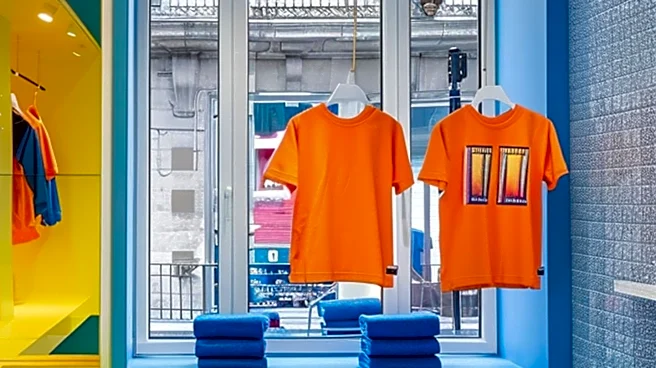
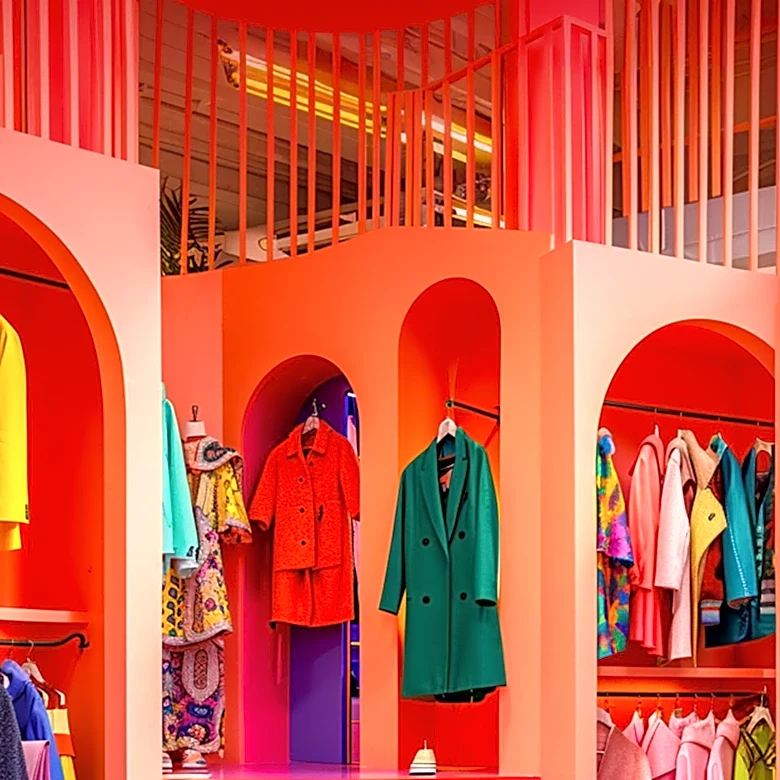
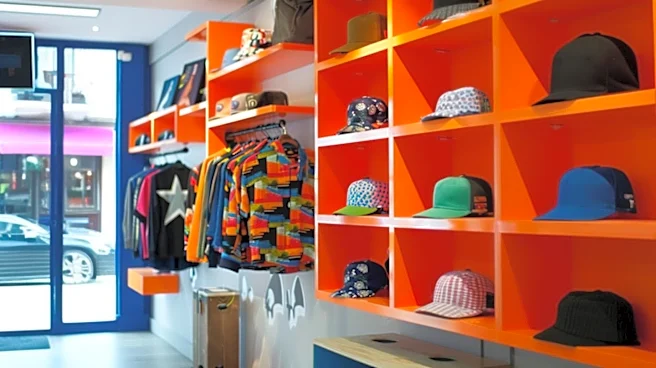
Dover Street Market, co-founded by Rei Kawakubo and Adrian Joffe in London in 2004, has significantly influenced the evolution of fashion retail by blending the concepts of a fashion store and an art gallery. This innovative approach positions the retail space
as an immersive experience rather than merely a point of sale. The store is known for its curated selection of high-end fashion, including collaborations with streetwear brands like Supreme and Willy Chavarria. Unlike traditional retail models that focus solely on product display, Dover Street Market creates an environment where the act of shopping becomes an exploration of creative worlds. This model emphasizes constant change and experimentation within its physical spaces, offering a dynamic and engaging atmosphere for customers. The brand also maintains an online presence, providing a diverse range of designer clothing, sneakers, and accessories through its e-shop, with customer service available via email at e-shop@doverstreetmarket.com and phone at +44 (0)20 7758 8185 during GMT business hours.
Why It's Important?
Dover Street Market's model is important because it challenges conventional retail strategies and sets a precedent for experiential shopping in the U.S. fashion industry. By transforming stores into cultural destinations, it encourages consumers to engage with brands on a deeper, more emotional level, moving beyond transactional interactions. This approach can influence U.S. retailers to invest in unique store designs, interactive displays, and curated product selections to attract and retain customers in an increasingly competitive market. The emphasis on blurring the lines between fashion and art also elevates the perception of clothing as cultural artifacts, potentially fostering greater appreciation for design and craftsmanship. For consumers, it offers a richer, more stimulating shopping experience, making physical stores relevant in an era dominated by e-commerce. This trend could lead to a revitalization of brick-and-mortar retail, particularly in high-end and luxury segments, by offering something that online shopping cannot replicate: a sense of place and discovery.
What's Next?
The success of Dover Street Market's experiential retail model suggests a future trend where U.S. fashion brands may increasingly adopt similar strategies. This could involve more collaborations between fashion houses and artists, the development of pop-up installations, and the integration of technology to create interactive shopping environments. Retailers might focus on creating unique narratives and themes for their stores, ensuring that each visit offers a novel experience. We can expect to see more brands investing in architectural design and interior aesthetics that reflect their brand identity and engage customers visually and emotionally. This shift could also lead to a greater emphasis on limited-edition drops and exclusive in-store events to drive foot traffic and create a sense of urgency and exclusivity. Furthermore, the integration of online and offline experiences will likely continue to evolve, with physical stores serving as brand showcases and community hubs that complement robust e-commerce platforms.
Beyond the Headlines
Beyond its immediate impact on retail, Dover Street Market's approach has deeper implications for the cultural landscape of fashion. It signifies a broader shift in consumer values, where authenticity, experience, and artistic expression are becoming as important as the product itself. This model encourages a more thoughtful consumption, inviting customers to consider the stories behind the garments and the creative vision of designers. Ethically, it promotes a more sustainable view of fashion by emphasizing quality and uniqueness over fast-fashion trends, potentially influencing U.S. consumers to invest in pieces with lasting value. Culturally, it positions fashion as a form of art, fostering a dialogue between design, architecture, and contemporary culture. This could lead to a greater appreciation for fashion as a legitimate artistic discipline, influencing educational institutions and public discourse around its role in society. The long-term shift could see retail spaces becoming dynamic cultural institutions, constantly evolving and reflecting the zeitgeist.