



What's Happening?
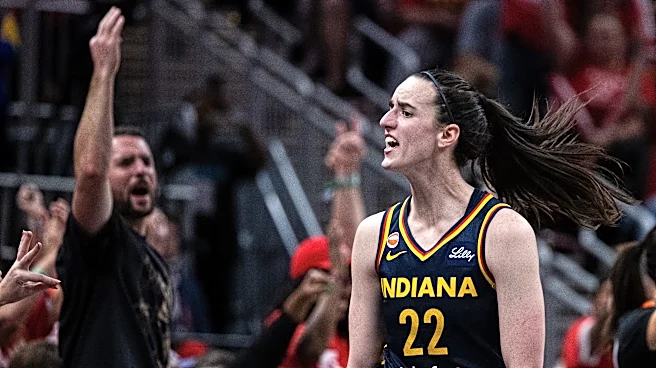
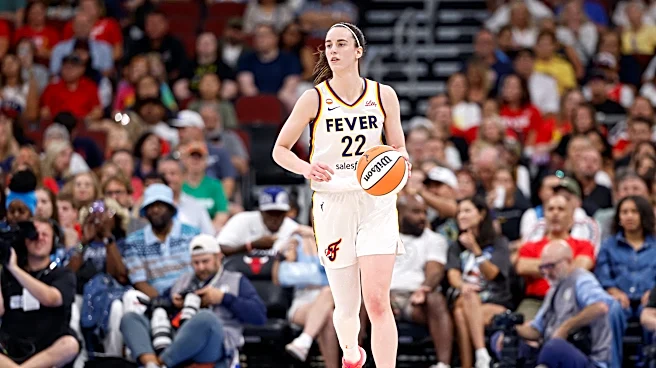
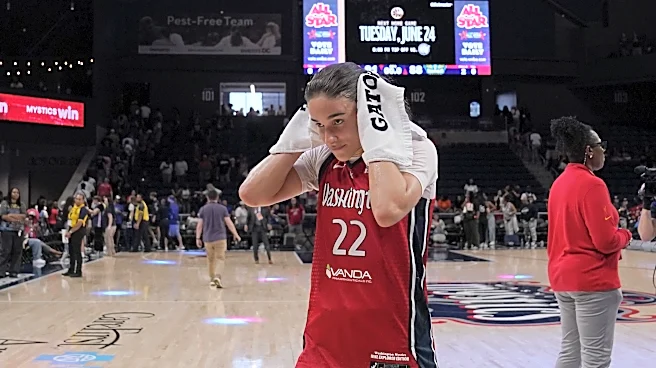
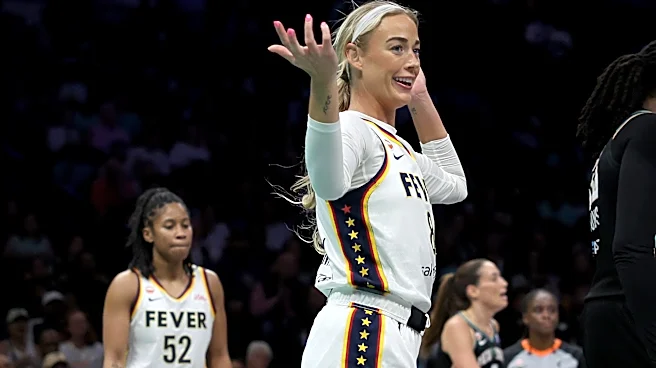
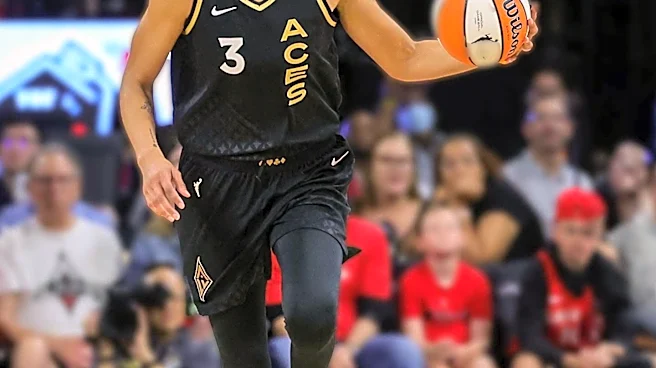
WNBA legend Angel McCoughtry has faced pushback for suggesting that the popularity of players like Caitlin Clark and Sophie Cunningham is partly due to 'pretty privilege.' During an appearance on the 'Get TO the Point' podcast, McCoughtry cited an incident
where fans knew Clark but not Kelsey Mitchell, despite McCoughtry considering Mitchell the better player. She also pointed to Cunningham, who, despite averaging 7.9 points per game, secured a shoe deal with Adidas, implying that other higher-performing players might not receive such opportunities. Analyst Robing Lundberg, however, disagreed, arguing that while attractiveness might boost popularity, other factors like personality, on-court actions (such as Cunningham's viral finger-pointing incident), and overall ability contribute significantly to a player's profile. Lundberg highlighted Cunningham's substantial social media growth, gaining approximately 5.8 million followers across Instagram and TikTok in 2026.
Why It's Important?
The debate ignited by Angel McCoughtry's 'pretty privilege' claims touches upon a critical discussion within the WNBA regarding player marketability, media attention, and the factors influencing a player's public profile. This conversation is particularly relevant as the WNBA experiences a surge in popularity and new viewership. McCoughtry's argument raises questions about whether appearance plays an undue role in how players are perceived and marketed, potentially overshadowing athletic merit. Conversely, Lundberg's counter-argument emphasizes that a combination of factors, including personality, social media engagement, and memorable on-court moments, contribute to a player's appeal. This discussion is vital for ensuring equitable recognition and opportunities for all WNBA athletes, prompting a deeper examination of how the league and media promote its stars.
What's Next?
This debate is likely to continue shaping discussions around player marketability and media representation within the WNBA. As the league grows, there will be ongoing scrutiny of how players are promoted and the criteria used to determine their public appeal. The conversation may encourage the WNBA and its partners to diversify their marketing strategies, ensuring that a broader range of players, regardless of perceived attractiveness, receive deserved attention for their athletic prowess and contributions to the game. It could also lead to more nuanced analyses of player popularity, moving beyond simplistic explanations to consider the multifaceted reasons behind a player's connection with fans. This dialogue is part of a larger effort to foster a more inclusive and merit-based environment in professional sports.
Beyond the Headlines
The 'pretty privilege' discussion extends beyond individual players to address systemic issues within sports and media. It highlights how societal biases, often unconscious, can influence public perception and commercial opportunities. The rapid growth of social media further complicates this, as players' online presence and viral moments can significantly impact their marketability, sometimes independently of their on-court statistics. This debate prompts a critical examination of the media's role in shaping narratives around athletes and the responsibility of sports organizations to promote a diverse array of talent fairly. Ultimately, it's a call for a more holistic understanding of athlete appeal, one that values skill, personality, and impact equally, rather than relying on superficial characteristics. The conversation contributes to the ongoing evolution of how women's sports are consumed and celebrated.