
What's Happening?
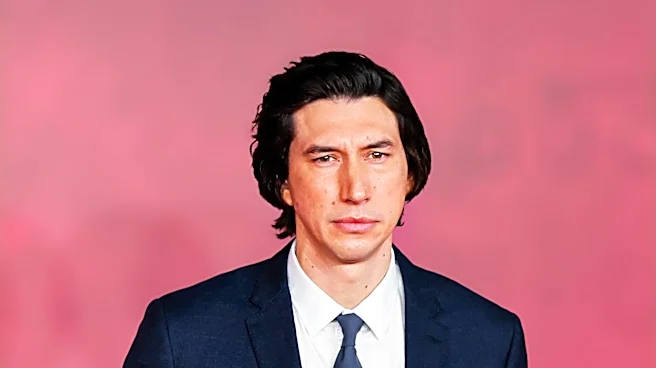
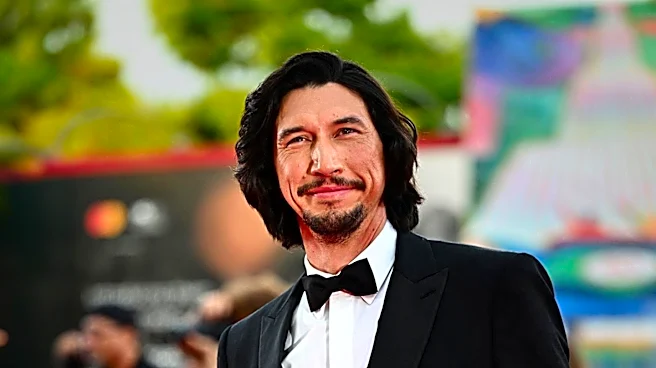
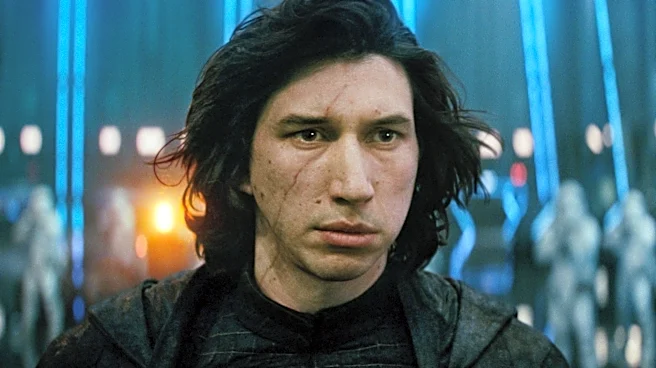
Actor Adam Driver has revealed that Lucasfilm President Kathleen Kennedy assured him and director Steven Soderbergh of Lucasfilm's '100% approval rate' with Disney while they were developing a 'Ben Solo'
film. Despite this assurance and years of unpaid development work, the project, titled 'The Hunt For Ben Solo,' was ultimately rejected by Disney executives Bob Iger and Alan Bergman. Driver stated that the explanation given for the rejection was that the character Ben Solo was dead. This claim by Kennedy is seen as extraordinary given Lucasfilm's history of unrealized 'Star Wars' projects, suggesting that the '100% approval rate' might have applied only to projects formally submitted to Disney, rather than all internal developments. The film was developed with Scott Z. Burns and Rebecca Blunt and had secured Lucasfilm's support before Disney's final decision.
Why It's Important?
This revelation highlights the complex dynamics and potential disconnects between creative development teams at Lucasfilm and the ultimate decision-makers at Disney. The rejection of a project that had significant creative backing and years of development, despite assurances of high approval rates, underscores the challenges in navigating large corporate structures within the entertainment industry. For 'Star Wars' fans, it represents another missed opportunity for a potentially unique storyline, especially one involving a character like Ben Solo, who has a dedicated following. The incident also raises questions about the autonomy of Lucasfilm under Disney's ownership and the criteria used for greenlighting major film projects, particularly those involving established and beloved franchises. It suggests that creative vision, even from acclaimed talents, can be overridden by corporate strategy or perceived market viability.
What's Next?
The 'Ben Solo' film project is currently considered defunct, with both Adam Driver and Steven Soderbergh having suggested that 'the ship has sailed.' Driver confirmed that he and Soderbergh are now developing a different project together, indicating a shift in their collaborative focus away from 'Star Wars.' While Hollywood is known for projects being revived years later, the immediate future for 'The Hunt For Ben Solo' appears bleak. This situation may lead to increased scrutiny from fans and industry observers regarding Lucasfilm's project development and approval processes, especially concerning the balance between creative ambition and corporate oversight. Disney's future 'Star Wars' slate will likely continue to prioritize projects deemed to have broader commercial appeal, potentially limiting more niche or creatively challenging endeavors.
Beyond the Headlines
The rejection of 'The Hunt For Ben Solo' despite its creative pedigree and internal Lucasfilm support points to a broader trend in major film franchises where corporate control can heavily influence artistic direction. The explanation that Ben Solo was 'dead' as a reason for rejection suggests a rigid adherence to established canon or a reluctance to explore alternative timelines or narrative devices that could bring back popular characters. This approach can stifle creative exploration and lead to a perception among fans that the franchise is playing it safe. The incident also touches on the ethical considerations of unpaid development work in Hollywood, where creators invest significant time and effort based on assurances that may not materialize into approved projects. It underscores the power imbalance between studios and creative talent, even for established figures like Driver and Soderbergh.