


What's Happening?
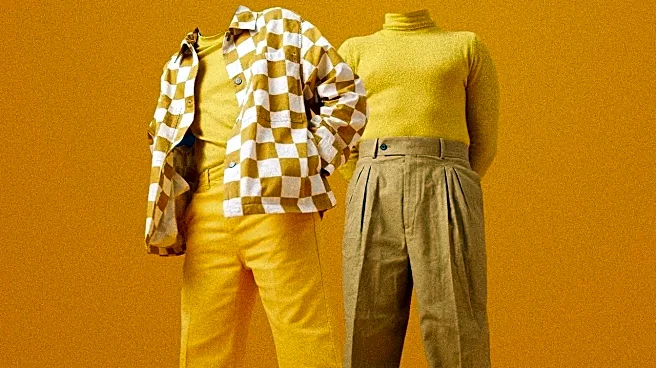
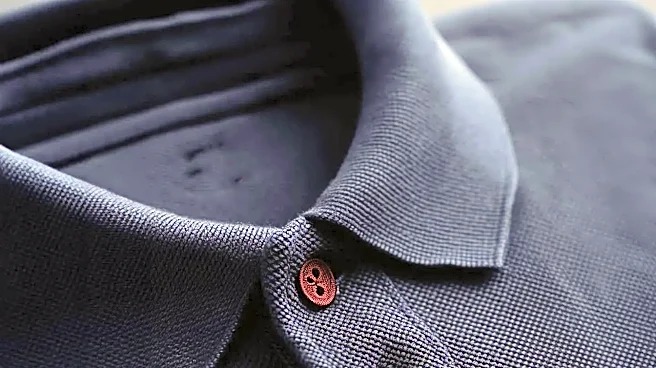
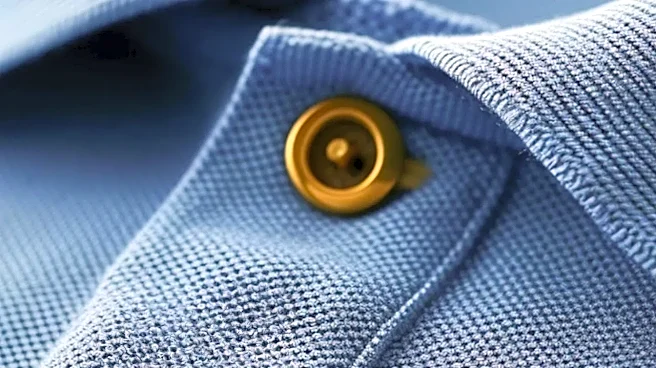
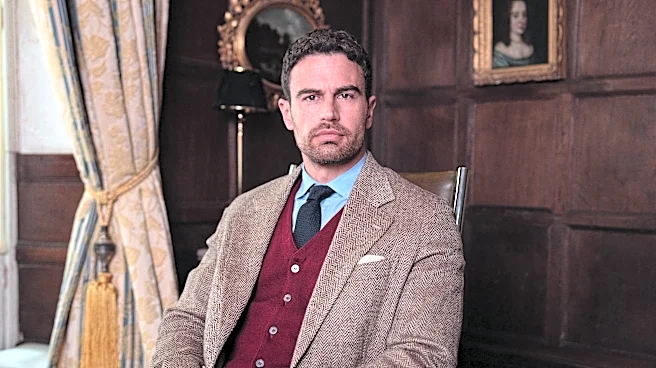
Current menswear trends are being categorized into two dominant style clans: 'dads' and 'dudes.' The 'dad' aesthetic is characterized by straight lines, muted colors, and practical embellishments, often featuring elevated wardrobe staples like polo shirts,
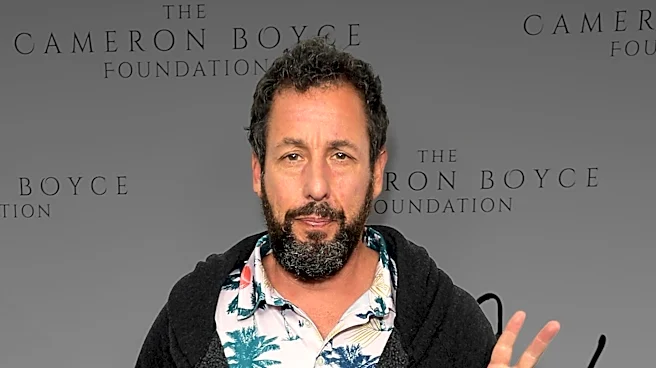
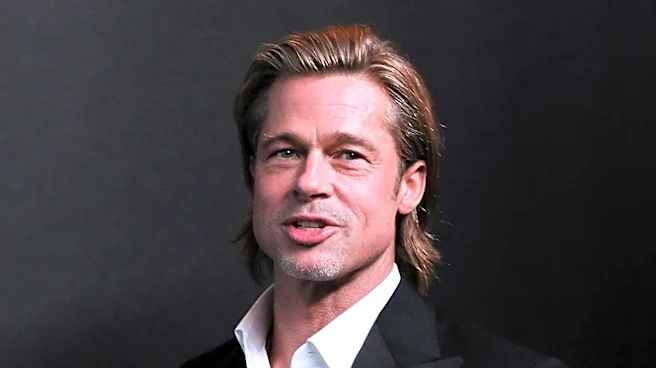
chinos, and tailored blazers. Examples include David Beckham and Mark Zuckerberg. In contrast, the 'dude' style embraces baggier clothing, adornments for adornment's sake, and a more relaxed, often streetwear-inspired look. Adam Sandler is highlighted as a patron saint of the 'dude' style, recognized for his unapologetic 'grocery-run look' and chaotic ensembles. Other 'dudes' include Brad Pitt and Justin Bieber. This distinction is evident at events like the US Open, where athletes and celebrities showcase these differing sartorial approaches.
Why It's Important?
This categorization of menswear reflects broader shifts in fashion and societal attitudes towards personal expression. The rise of 'dad style' signifies a return to classic, intentional dressing and an appreciation for quality staples, potentially influenced by a desire for clarity and sharpness in uncertain economic times. It suggests a move away from fast fashion towards more enduring pieces. Conversely, the prominence of 'dude style,' championed by figures like Adam Sandler, indicates a growing acceptance of comfort, individuality, and a more playful approach to dressing. This trend challenges traditional notions of masculinity and formality, allowing men to experiment with more relaxed and expressive outfits. The distinction also highlights the economic aspect of fashion, with 'dude' style often requiring more effort and expense to curate, especially for rare streetwear items, compared to the more accessible 'dad' staples.
What's Next?
The ongoing evolution of these two style clans suggests a continued diversification in menswear, moving beyond singular trends. Designers and retailers will likely continue to cater to both aesthetics, offering collections that appeal to those seeking classic sophistication ('dad') and those preferring a more relaxed, expressive look ('dude'). We may see further blending of these styles, as exemplified by figures like Harry Styles, who combines elements of both. The influence of social media and celebrity endorsements will continue to shape these trends, with new figures potentially emerging as icons for either clan. The discussion also points to a broader conversation about comfort, practicality, and personal identity in fashion, indicating that menswear will likely remain a dynamic and evolving landscape, reflecting changing cultural values and individual preferences.
Beyond the Headlines
The 'dad' and 'dude' style dichotomy extends beyond mere clothing choices, touching upon deeper cultural and psychological implications. 'Dad style' can be seen as a manifestation of a desire for stability, reliability, and a return to foundational values, reflecting a broader societal yearning for comfort and predictability. It embodies a sense of understated confidence and maturity. 'Dude style,' on the other hand, represents a rejection of rigid norms, embracing freedom, authenticity, and a more youthful, rebellious spirit. It often carries connotations of counter-culture and a relaxed approach to life. The fact that figures like Adam Sandler, who are not typically associated with high fashion, become style icons for the 'dude' aesthetic underscores a shift towards valuing comfort and personal expression over conventional sartorial elegance. This trend highlights how fashion can serve as a powerful non-verbal communication tool, reflecting individual identity and broader cultural currents.