






What's Happening?
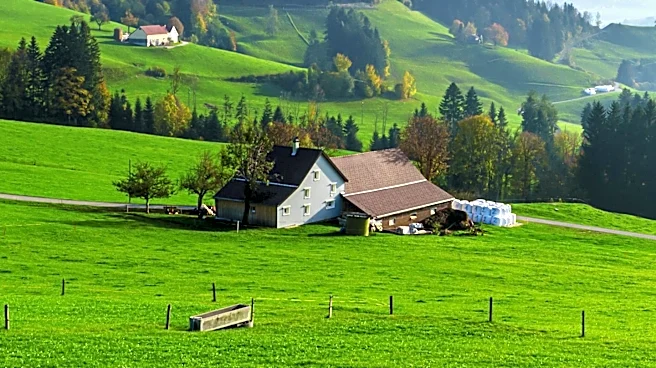
Germany's Allgäu region, located in Bavaria and a small part of Baden-Württemberg, is presenting a range of attractions for visitors during its slower months, specifically October-November and April-May. This period is characterized by fewer tourists,
making it an ideal time for those seeking to avoid crowds or explore on a budget. The region, known for its castles, clear lakes, and agricultural practices, offers experiences such as exploring its rich cheesemaking heritage, with over 40 alpine dairies and cooperative dairies. Tourists can visit 'Schaukäsereien' (show cheese dairies) to observe cheese production and drive along the 'Allgäuer Käsestrasse' (Allgäu Cheese Route), which connects 14 dairies and farms specializing in traditional silage-free hay milk production. Additionally, the region boasts a six-century-old brewing tradition, with over 30 family-owned breweries producing classic beers like Helles, Dunkles, and wheat beers using local ingredients and alpine spring water.
Why It's Important?
While this news primarily focuses on a European travel destination, it indirectly highlights broader trends in the tourism industry, particularly the appeal of off-peak travel for budget-conscious individuals and those seeking less crowded experiences. For U.S. travelers, this information could influence their international travel planning, potentially shifting preferences towards destinations that offer unique cultural and culinary experiences outside of peak tourist seasons. The emphasis on traditional practices, such as cheesemaking and brewing, also underscores a growing interest in authentic, locally sourced products, a trend that resonates with consumer preferences in the U.S. The region's family-friendly offerings, including 'Kinderhotels' (all-inclusive resorts for families), could also inform the development of similar hospitality models or marketing strategies for family tourism within the U.S., catering to a demographic increasingly seeking specialized and comprehensive vacation experiences.
What's Next?
The Allgäu region will continue to promote its fall and spring attractions, likely targeting international travelers, including those from the U.S., who are looking for unique European experiences outside of the traditional summer and winter peak seasons. Marketing efforts may emphasize the region's cultural heritage, culinary delights, and outdoor activities, such as hiking along the Austrian-German border or visiting waterfalls, which are accessible year-round. Local businesses, including dairies, breweries, and hotels, are expected to adapt their services to cater to this off-peak demographic, potentially offering specialized tours, tastings, and family packages. The continued adherence to traditional production methods, like the Bavarian Reinheitsgebot for beer and silage-free hay milk for cheese, will likely remain a key selling point, appealing to consumers interested in authenticity and quality.
Beyond the Headlines
The Allgäu region's strategy of promoting off-peak tourism reflects a broader shift in the global travel industry towards sustainable and experiential travel. By highlighting its cultural heritage, traditional crafts like cheesemaking and brewing, and natural landscapes, the region is tapping into a desire for more immersive and less commercialized travel experiences. This approach also contributes to a more even distribution of tourism revenue throughout the year, benefiting local economies beyond seasonal peaks. The emphasis on family-friendly resorts and activities suggests an understanding of the diverse needs of modern travelers, including those with children, and a commitment to providing comprehensive and engaging experiences for all age groups. This model could serve as an example for other regions, including those in the U.S., looking to diversify their tourism offerings and attract visitors during traditionally slower periods, fostering a more resilient and sustainable tourism sector.