






What's Happening?
Several US cities that hosted World Cup matches are seeking millions in promised funding from FIFA. According to reports, FIFA management verbally assured these cities of $1 million each in 'legacy' funds to support football infrastructure and social
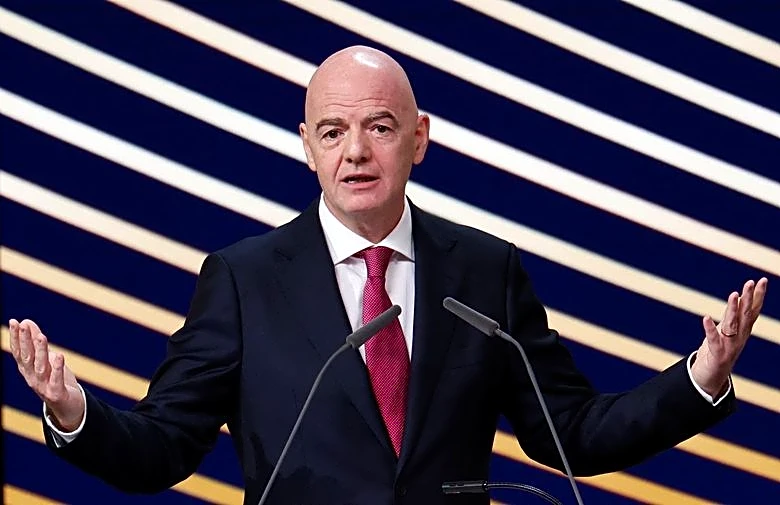
projects. However, these payments have not been made, prompting cities like Seattle, San Francisco, Los Angeles, and others to request updates from FIFA. The 2026 World Cup, co-hosted by the US, Canada, and Mexico, was expanded to 48 teams and contributed to FIFA's record revenues of $15 billion for the 2023-26 cycle. The situation adds to the challenges faced by FIFA President Gianni Infantino, who is already under scrutiny for his proposal to open the World Cup to private investment, a plan that was later abandoned.
Why It's Important?
The demand for unpaid funds by US host cities highlights the financial and logistical complexities involved in organizing large-scale international sporting events. The promised 'legacy' funds are crucial for cities to enhance local sports infrastructure and community projects, which were part of the incentives for hosting the World Cup. The delay in payments raises questions about FIFA's financial commitments and transparency, potentially affecting future collaborations with host cities. For FIFA, this issue could impact its reputation and relationships with member associations, especially as it navigates internal and external pressures regarding governance and financial management.
What's Next?
The affected US cities are likely to continue pressing FIFA for the promised funds, potentially escalating the issue through formal channels if necessary. FIFA may need to address these concerns publicly to maintain trust and cooperation with host cities and stakeholders. The situation could prompt FIFA to review and clarify its financial commitments and communication strategies with host cities to prevent similar issues in future tournaments. Additionally, the ongoing scrutiny of FIFA's financial practices may lead to increased calls for reform and accountability within the organization.