







What's Happening?
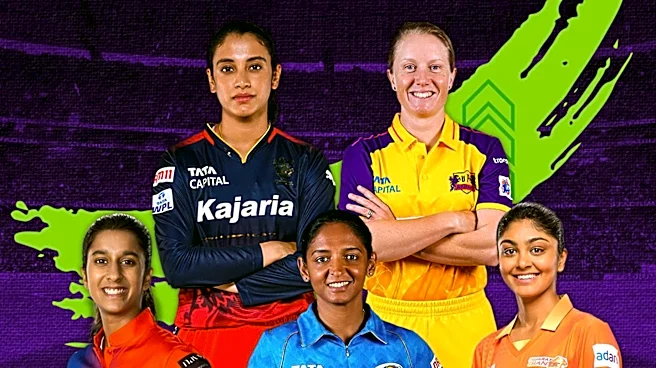
Brands are increasingly investing in women's sports, recognizing their growing popularity and the opportunities for new partnerships. Professional leagues such as Major League Volleyball (MLV) and the Professional Women’s Hockey League (PWHL) are gaining
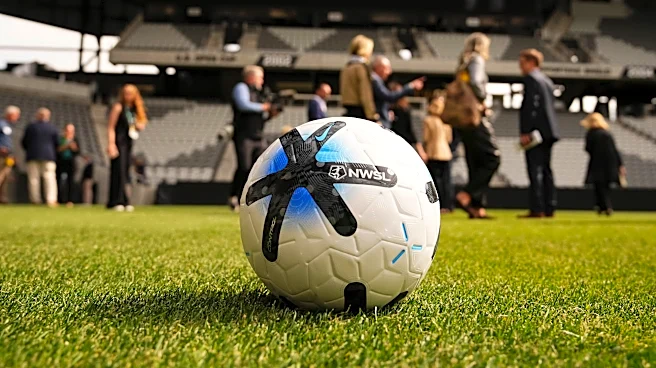
traction, expanding beyond traditional women's soccer and basketball. This trend was a key topic at an ADWEEK House Advertising HQ fireside chat, where Ryan Joe, editor-in-chief at ADWEEK, discussed the landscape with Oliver Gray, VP of network sports and client partnerships at Scripps, and Molly Battin, SVP and CMO of The Home Depot. Scripps, through its network ION Television, has strategically invested in women's sports, including the Women’s National Basketball Association (WNBA), the National Women’s Soccer League (NWSL), MLV, and the PWHL. This investment is driven by research indicating a strong demand for broadcast distribution of women's games and a highly engaged fan base. Brands like The Home Depot are leveraging major events, such as the FIFA World Cup 2026, to connect with target audiences through fan activations and storytelling.
Why It's Important?
The increased brand investment in women's sports signifies a significant shift in marketing strategies and a recognition of the economic potential within this sector. For U.S. industries, this translates into new advertising avenues, sponsorship opportunities, and a broader consumer base to engage. Brands that support women's sports stand to gain considerable credit and foster deeper emotional connections with consumers, particularly as the culture around these sports is still developing. This trend can lead to greater financial stability and visibility for women's professional leagues and athletes, potentially closing the historical gap in resources and media coverage compared to men's sports. The focus on storytelling and fan experiences, as highlighted by The Home Depot's partnership with David Beckham for the FIFA World Cup 2026, demonstrates a move beyond traditional sponsorships to more integrated and impactful brand activations. This approach benefits both brands, by allowing them to reach specific demographics like the 'next generation of homeowners,' and the sports themselves, by enhancing fan engagement and growing their audience.
What's Next?
The trend of brands investing in women's sports is expected to continue, leading to further growth and professionalization of leagues. We can anticipate more strategic partnerships between brands and women's sports organizations, focusing on innovative fan activations and compelling storytelling. As Molly Battin of The Home Depot noted, the nascent culture around women's sports presents a unique opportunity for brands to 'lean in' and help shape new rituals and traditions, fostering deeper connections with fans. This could involve increased media coverage, dedicated broadcast slots, and more sophisticated marketing campaigns tailored to the passionate fan base. The emphasis on telling the stories of women athletes will likely intensify, leveraging social media and other platforms to build personal connections and further expand fandom. This sustained investment will likely lead to greater financial stability for leagues and athletes, potentially attracting more talent and elevating the overall quality and profile of women's sports in the U.S. and globally.
Beyond the Headlines
Beyond the immediate financial and marketing implications, the growing brand investment in women's sports carries significant societal and cultural weight. It challenges long-standing gender biases in sports, promoting greater equity and visibility for women athletes. This shift can inspire younger generations of girls and women to participate in sports, seeing viable career paths and strong role models. Ethically, brands supporting women's sports are aligning themselves with progressive values, which can enhance their corporate social responsibility image and appeal to a socially conscious consumer base. The focus on 'storytelling' about athletes also contributes to a broader cultural narrative that celebrates female achievement and resilience. This development could lead to a re-evaluation of media representation in sports, pushing for more balanced coverage and challenging traditional narratives that have often marginalized women's athletic accomplishments. Ultimately, this trend is not just about marketing; it's about fostering a more inclusive and equitable sporting landscape.