








What's Happening?
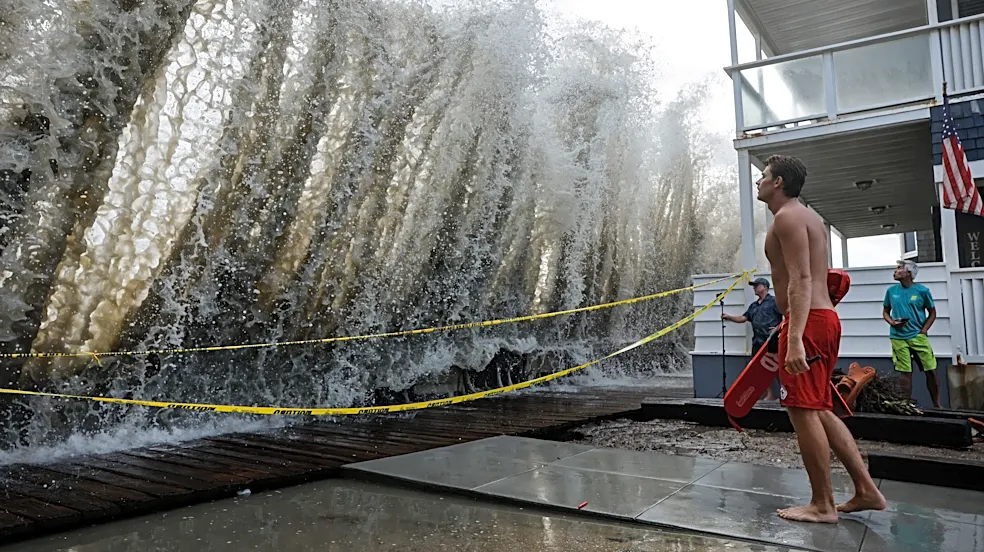
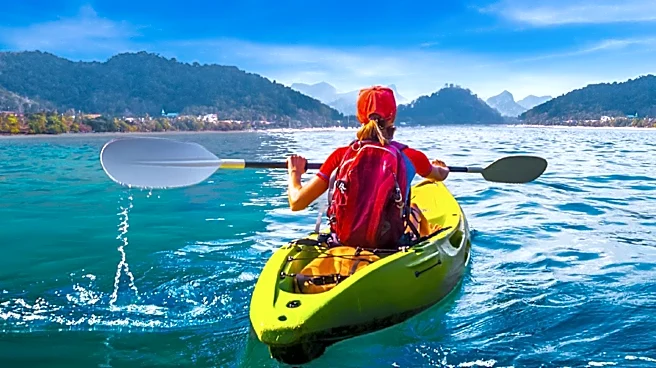
Ocean kayaking is an inherently physical activity that requires participants to paddle against currents and should expect to get wet, at least from the waist down. Access to sea caves during tours, such as those in La Jolla, California, is dependent on
surf conditions, meaning tours may be shortened or unable to enter caves for safety reasons. Guides provide basic instruction and safety gear, making it accessible for first-time kayakers, but participants must be comfortable with ocean motion and prepared for strenuous activity. The experience involves launching from a beach into the Pacific, where kayaks rise and fall with swells. Wildlife sightings, including sea lions, leopard sharks, and dolphins, are common, adding to the experience. The tours typically last about two hours, including instruction and paddling time.
Why It's Important?
The physical demands and variable conditions of ocean kayaking highlight the importance of preparedness and adherence to safety guidelines for recreational water sports. For individuals and tour operators, understanding the inherent risks, such as strong currents and unpredictable surf, is crucial for ensuring participant safety and managing expectations. The reliance on surf conditions for cave access underscores the dynamic nature of coastal environments and the need for flexibility in tour planning. This impacts local tourism economies that offer such activities, as customer satisfaction can be influenced by whether advertised features, like cave entry, are achievable on any given day. The emphasis on safety gear and instruction also points to the regulatory and liability considerations for businesses operating in these environments, ensuring they meet standards for participant well-being.
What's Next?
Participants planning ocean kayaking trips should continue to prioritize checking weather and surf forecasts before embarking. Tour operators will likely maintain their policies of adjusting routes or canceling tours based on safety conditions, offering refunds or rescheduling options as necessary. The ongoing popularity of ocean kayaking suggests a continued demand for guided tours and equipment rentals, prompting businesses to refine their safety protocols and instructional methods. Future developments might include enhanced real-time communication about changing ocean conditions to participants and further integration of marine biology education into tours to enrich the experience, regardless of cave access. The focus on wildlife sightings will likely remain a significant draw, encouraging conservation efforts in these marine environments.
Beyond the Headlines
The experience of ocean kayaking extends beyond a mere physical activity; it offers a unique connection to marine ecosystems and coastal geology. The variability of the ocean, where cave access is not guaranteed, teaches participants about the power and unpredictability of nature, fostering a deeper respect for environmental conservation. The interaction with marine life, such as sea lions and leopard sharks, provides educational opportunities about local biodiversity and the importance of protected marine areas. Ethically, tour operators face the challenge of balancing adventurous experiences with ecological responsibility, ensuring that human activities do not disturb wildlife or damage natural formations. This type of recreational activity also promotes physical well-being and mental resilience, as participants navigate challenging conditions and work cooperatively in shared kayaks, highlighting the broader benefits of outdoor adventure sports.