







What's Happening?
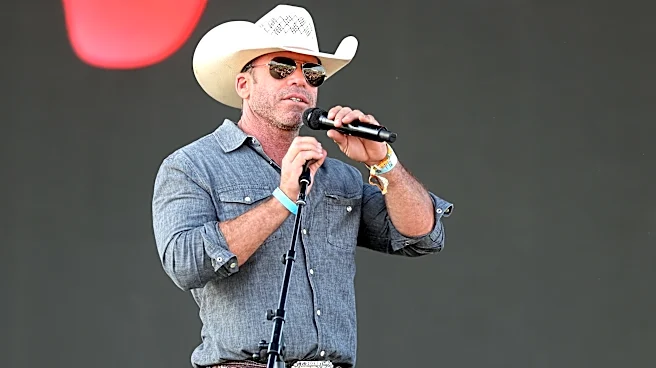
Taylor Sheridan, the creator of popular series such as Yellowstone, has expressed his views on television critics and his relationship with Paramount executives. In a recent podcast interview, Sheridan discussed his approach to storytelling, emphasizing
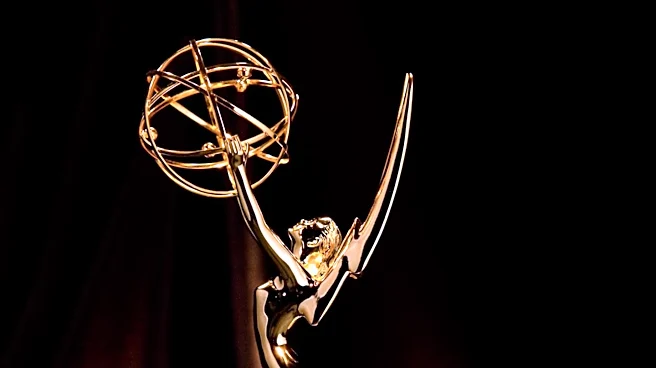
that his goal is not to win Emmy Awards but to engage and entertain audiences. He highlighted his creative independence, stating that he operates without a committee and focuses on delivering stories that resonate with common people. Sheridan also addressed the criticism he has faced, particularly regarding the portrayal of characters in his shows, and explained his intentional narrative choices. Despite the success of his series, Sheridan has often been overlooked by the Emmy Awards, a situation he attributes to his unconventional methods and disregard for traditional industry expectations.
Why It's Important?
Sheridan's comments shed light on the tension between creative freedom and industry recognition in Hollywood. His approach challenges the conventional metrics of success, such as awards, and instead prioritizes audience engagement. This perspective is significant as it highlights a shift in the entertainment industry where viewership and cultural impact may outweigh traditional accolades. Sheridan's success with series like Yellowstone demonstrates that there is a substantial audience for content that deviates from the norm, potentially influencing how networks and studios evaluate and support creative projects. His stance also raises questions about the role of critics and the criteria used to judge artistic merit in television.
What's Next?
Sheridan's future projects will continue to be closely watched, especially as he transitions to a new deal with NBCUniversal in 2029. This move could further amplify his influence in the industry, allowing him to expand his storytelling reach. As Sheridan continues to produce content that resonates with audiences, it will be interesting to see how his relationship with critics and award bodies evolves. Additionally, his comments about not returning to Los Angeles for production suggest a preference for working in environments that align with his creative vision, which may impact where and how his future projects are developed.