


What's Happening?
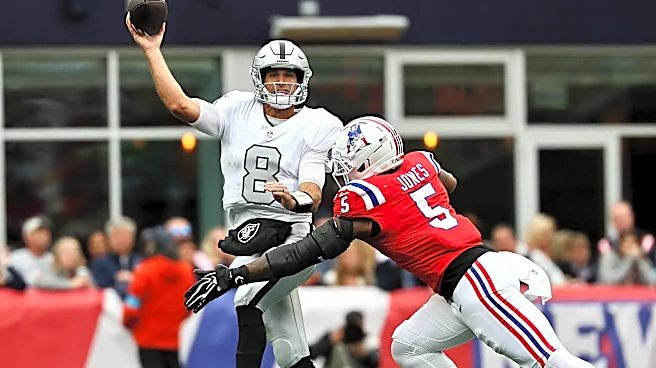
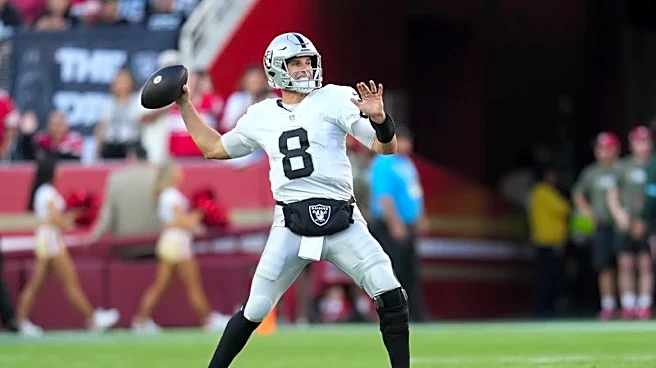
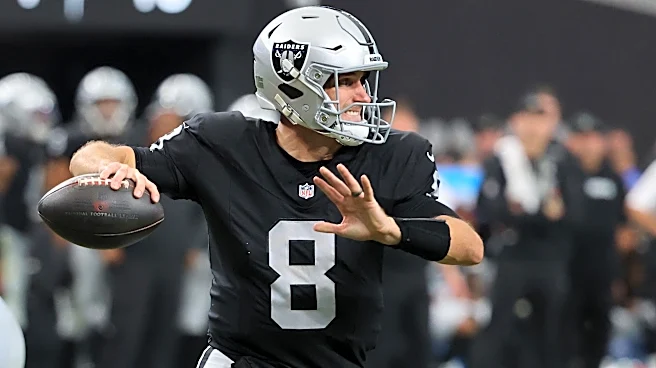
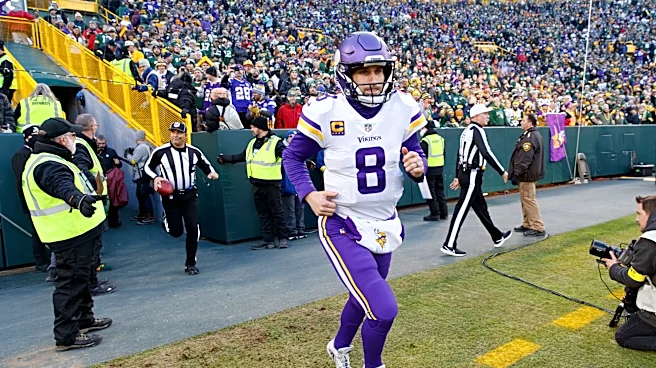
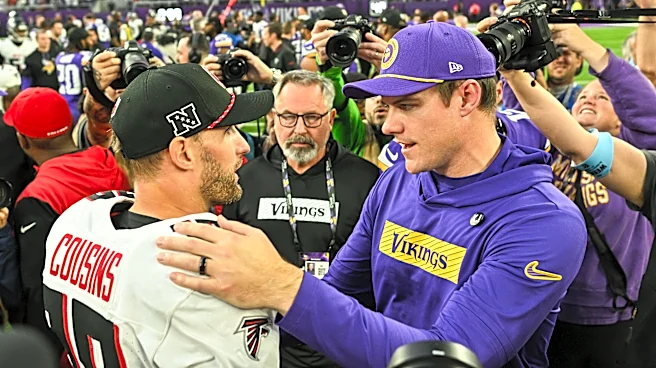
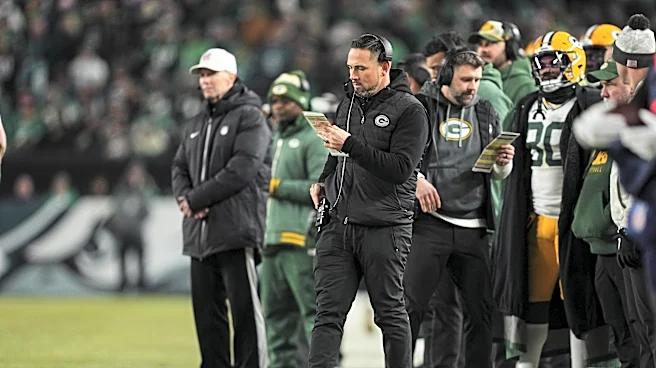
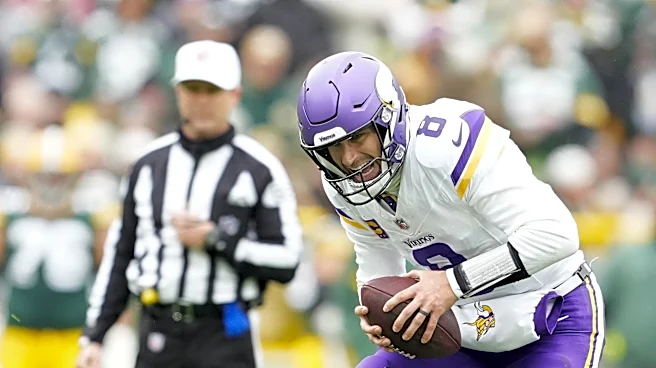
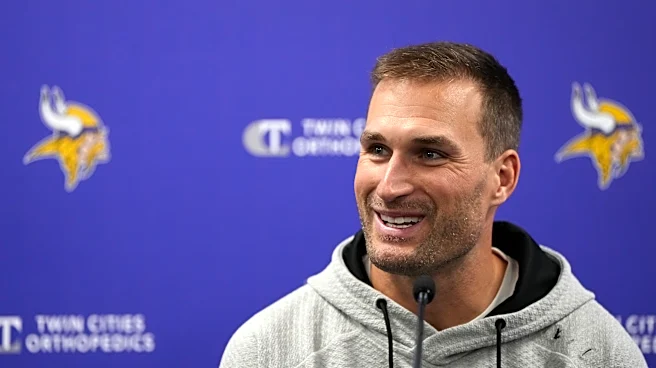
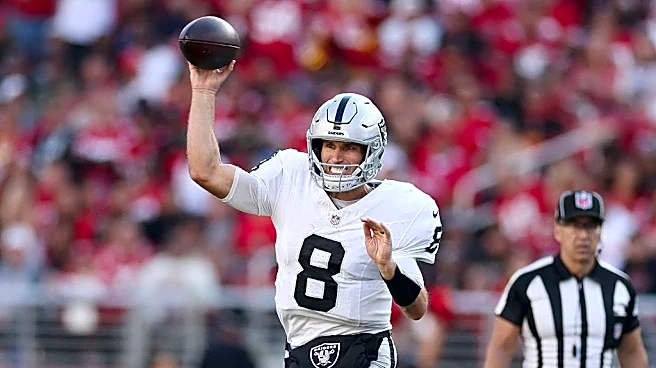
Green Bay Packers head coach Matt LaFleur voiced his astonishment regarding the trade that sent quarterback Kirk Cousins from the Las Vegas Raiders to the Minnesota Vikings. The Vikings acquired Cousins for a 2027 third-round pick ahead of Tuesday's trade deadline.
LaFleur, whose team is preparing to face Cousins in an upcoming Week 10 matchup, stated he was "shocked" by the low return the Raiders received for the quarterback. Cousins previously played for the Vikings from 2018 to 2023, ranking third in the franchise's history for passing yards. This season, Cousins has completed 64.1% of his passes for 2,340 yards, 20 touchdowns, and eight interceptions, placing him fifth in the NFL for passing yards and second in passing touchdowns. The Vikings' decision to reacquire Cousins follows weeks of inconsistent quarterback play, with Kyler Murray having thrown only five touchdowns in six games as the starter.
Why It's Important?
This trade significantly impacts the competitive landscape of the NFC North, particularly for the Green Bay Packers. The division is currently experiencing gridlock, making every game crucial. The reintroduction of Kirk Cousins to the Vikings' lineup, a quarterback with a strong track record against the Packers (6-4-1 with 23 touchdowns and eight interceptions in regular-season games), immediately elevates the challenge for Green Bay. LaFleur's surprise at the trade value suggests a perception that the Vikings secured a high-caliber player for a relatively low cost, potentially strengthening a divisional rival more than anticipated. This move could shift power dynamics within the NFC North, forcing teams like the Packers to adjust their strategies and preparations for future matchups, especially given Cousins' proven ability to perform at a high level.
What's Next?
The immediate consequence of this trade is the upcoming Week 10 matchup between the Green Bay Packers and the Minnesota Vikings, where Matt LaFleur's team will face Kirk Cousins. The Packers will need to rapidly adapt their defensive strategy to counter Cousins, a quarterback they are familiar with from his previous tenure in Minnesota. This trade also signals the Vikings' commitment to stabilizing their quarterback position, which could lead to improved performance and increased competitiveness in the latter half of the season. For the Raiders, the trade indicates a strategic decision to acquire future draft capital, potentially signaling a rebuilding phase or a shift in their long-term roster construction. The performance of Cousins with the Vikings will be closely watched, as it will validate or challenge LaFleur's assessment of the trade's value.
Beyond the Headlines
The trade of a productive quarterback like Kirk Cousins for a relatively low draft pick raises questions about player valuation in the NFL and the strategic decisions teams make under pressure. LaFleur's public surprise highlights a potential discrepancy between perceived player worth and actual market value, which could influence future trade negotiations across the league. This situation also underscores the intense competitive nature of divisional rivalries, where every roster move by an opponent is scrutinized for its potential impact. The Vikings' move to bring back a familiar face suggests a preference for known quantities in critical positions, especially when facing mid-season performance issues. This could set a precedent for other teams considering similar short-term solutions to address immediate needs, potentially prioritizing experience and familiarity over developing new talent.