






What's Happening?
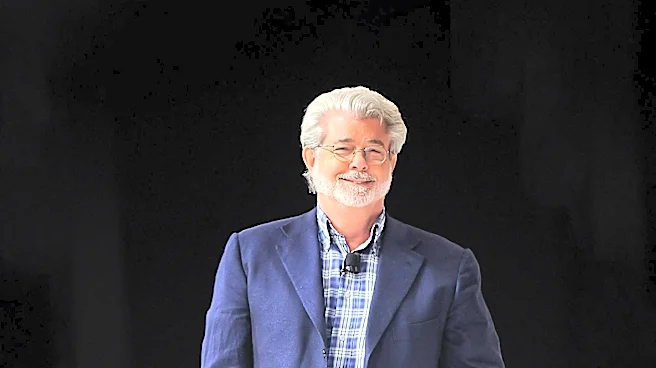
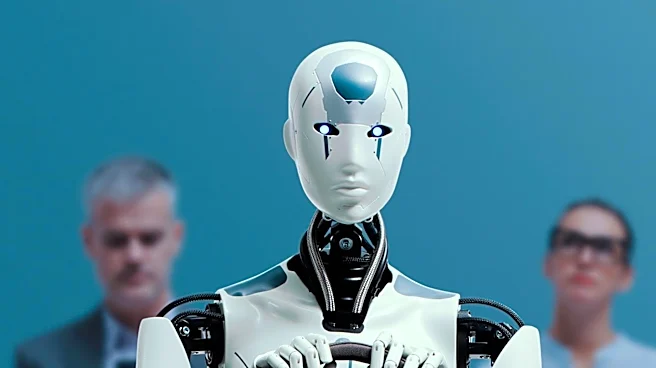
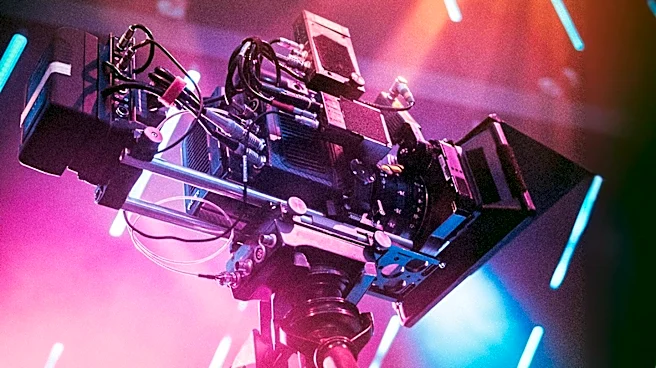
George Lucas, the renowned filmmaker, has expressed his support for the integration of artificial intelligence (AI) in the film industry, likening resistance to AI to the historical reluctance to adopt automobiles over horses. In a recent discussion,
Lucas emphasized that AI represents progress and the future of filmmaking, suggesting that it can simplify movie production. He acknowledged the concerns surrounding AI but argued that it can also be used to address its own drawbacks, such as identifying fake content. Lucas's comments come amid ongoing debates about the role of AI in creative industries, where it is both celebrated for its potential and criticized for ethical concerns.
Why It's Important?
Lucas's endorsement of AI in filmmaking is significant as it highlights the growing acceptance of AI technologies in creative fields. His perspective may influence other industry leaders and filmmakers to explore AI's potential benefits, such as cost reduction and efficiency in production. However, it also raises ethical questions about the impact of AI on creativity, originality, and employment within the industry. As AI continues to evolve, its integration into filmmaking could reshape traditional production processes, potentially leading to new forms of storytelling and content creation.
Beyond the Headlines
The broader implications of AI in filmmaking extend beyond technological advancements. There are concerns about the potential loss of jobs for human creators and the ethical considerations of using AI-generated content. Additionally, the reliance on AI could lead to homogenization in film styles and narratives, as algorithms may favor certain patterns over others. The debate over AI's role in the industry also touches on issues of intellectual property and the authenticity of creative works. As the industry navigates these challenges, it will be crucial to establish guidelines and regulations to ensure that AI is used responsibly and ethically.