





What's Happening?
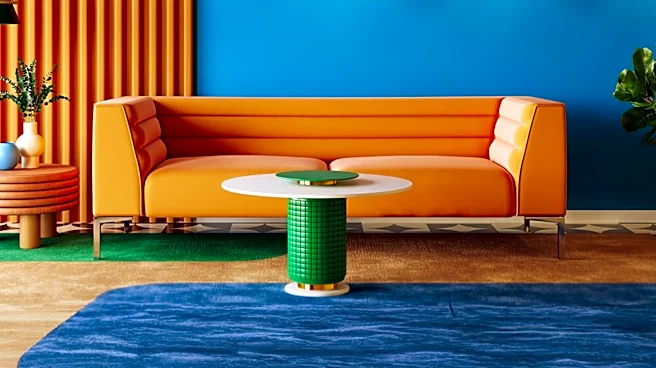
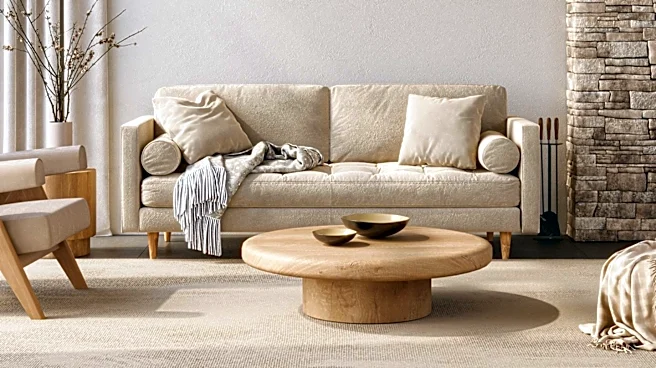
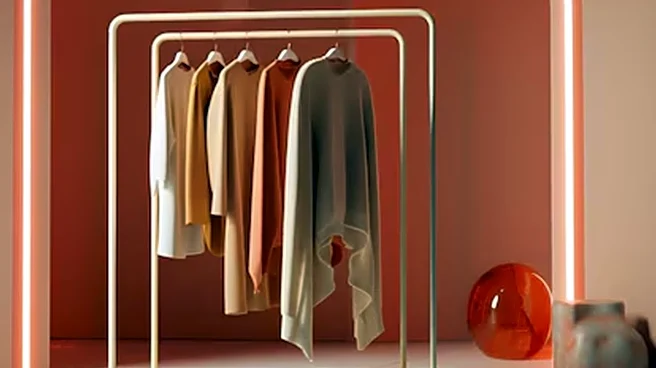
The trend towards neutral colors in consumer products, often referred to as the 'color recession,' continues to dominate various industries. This shift has been observed in home decor, automotive, and fashion sectors, where colors like gray, beige, and white
have become prevalent. The trend is attributed to factors such as resale value considerations, market preferences, and institutional constraints. Despite the historical significance of vibrant colors, the current market dynamics favor more subdued tones, which are perceived as safer and more versatile.
Why It's Important?
The persistence of the color recession reflects broader societal and economic trends. Neutral colors are often associated with stability and timelessness, appealing to consumers seeking long-term value in their purchases. This trend also highlights the influence of market forces and consumer behavior on design and production decisions. As industries adapt to these preferences, the impact on product innovation and diversity could be significant, potentially limiting creative expression in design.
Beyond the Headlines
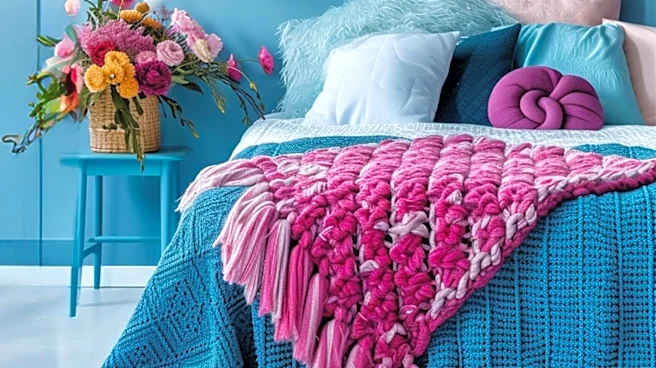
The color recession raises questions about the cultural and psychological implications of color choices. While neutral tones are popular, studies suggest that vibrant colors can positively affect mood and well-being. The ongoing preference for subdued colors may reflect broader societal trends towards minimalism and risk aversion, influencing not only consumer products but also lifestyle and cultural norms.