




What's Happening?
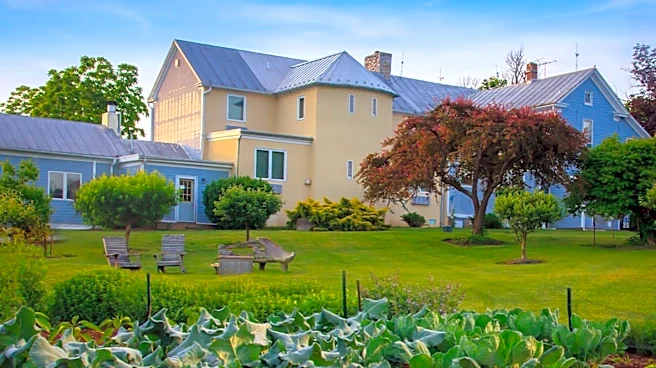
Home gardening is gaining popularity as a therapeutic and creative outlet, offering numerous design opportunities. A recent article highlights the importance of planning and creativity in transforming home gardens into functional spaces. The process begins
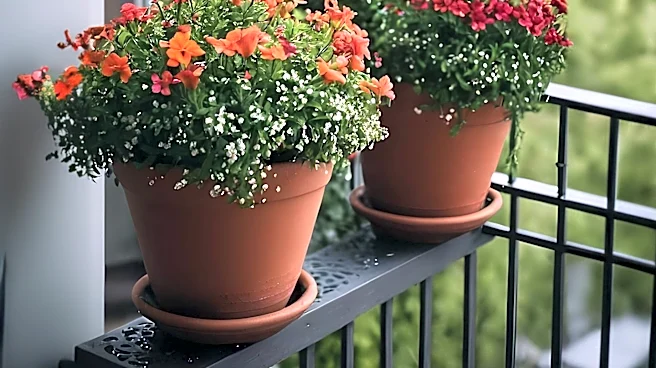
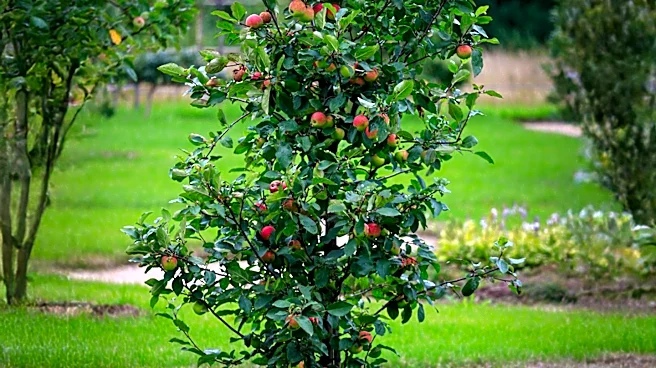
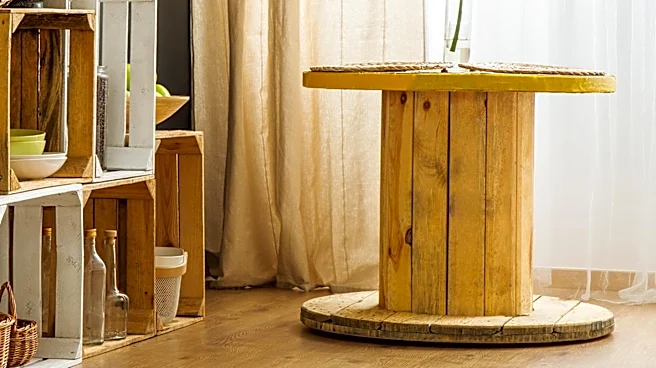
with sketching a basic plan, considering the size and purpose of the garden, whether it be a floral haven or a vegetable patch. This planning phase helps in selecting appropriate plants and materials, ensuring cohesive integration of all elements. The use of recycled materials, such as wooden pallets for planters or benches, is encouraged for cost-effectiveness and eco-friendliness. Additionally, selecting the right plants based on sunlight and soil conditions is crucial. Vertical gardens and trellises are recommended for maximizing space, especially in smaller areas, while experimenting with herbs and edible plants can enhance culinary experiences.
Why It's Important?
The trend of home gardening, particularly with edible plants, reflects a growing interest in sustainable living and self-sufficiency. By cultivating their own herbs and vegetables, individuals can reduce their reliance on store-bought produce, potentially lowering grocery bills and ensuring access to fresh ingredients. This movement also supports environmental sustainability by promoting the use of recycled materials and reducing waste. Moreover, home gardening can contribute to mental well-being, offering a therapeutic escape from daily stressors. As more people embrace this practice, it could lead to a broader cultural shift towards more sustainable and mindful living practices.
What's Next?
As interest in home gardening continues to rise, there may be increased demand for resources and guidance on sustainable gardening practices. This could lead to the development of more community workshops, online tutorials, and support networks for novice gardeners. Additionally, businesses specializing in gardening supplies and eco-friendly materials might see growth opportunities. On a larger scale, this trend could influence urban planning and community development, encouraging the integration of green spaces and community gardens in residential areas.
Beyond the Headlines
The rise of home gardening, particularly with a focus on edible plants, may have deeper implications for food security and urban agriculture. As more individuals grow their own food, there could be a shift in consumer behavior, with increased demand for organic and locally sourced products. This could pressure larger agricultural producers to adopt more sustainable practices. Furthermore, the emphasis on self-sufficiency and sustainability might inspire educational initiatives, teaching younger generations about the importance of environmental stewardship and healthy eating habits.