



What's Happening?
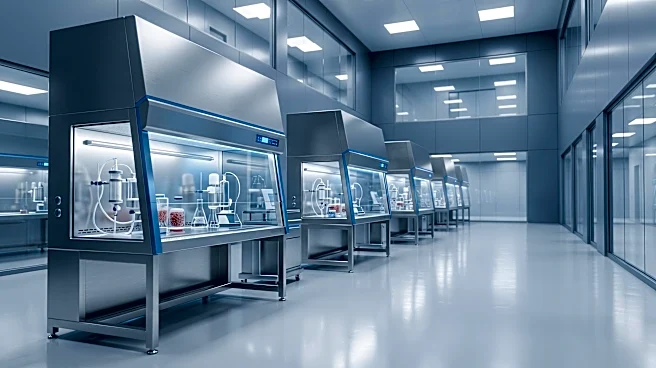
Northway Biotech has opened a new 3,500 sq. m facility in Vilnius, Lithuania, dedicated to cell therapy and personalized medicine. This expansion, part of the broader BIO CITY III development, represents a €61 million investment. The facility significantly
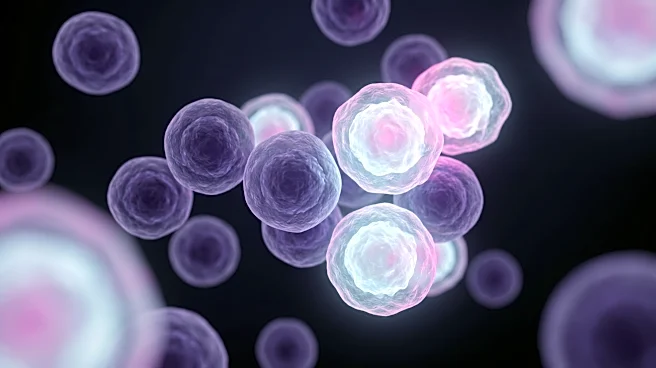
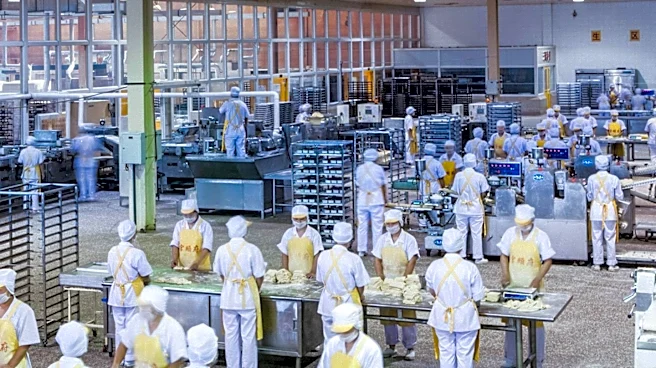
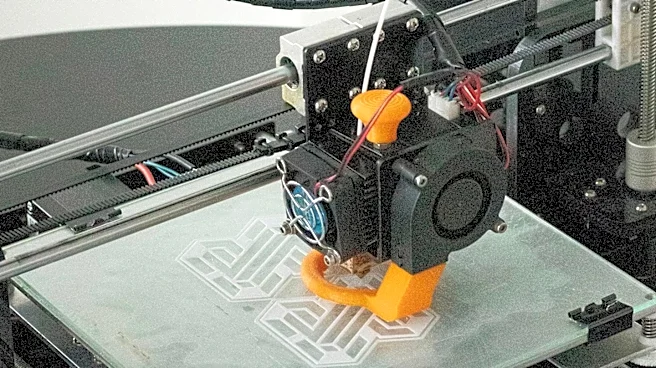
increases Northway Biotech’s contract development and manufacturing organization (CDMO) capabilities across biologics, gene therapy, and cell-based technologies. It features up to 20 independent cGMP manufacturing lines and has already secured its first customer programs. The new center will support biotechnology and pharmaceutical companies, university hospitals, and research institutions, focusing on the development and cGMP manufacturing of autologous and allogeneic cell-based therapies, personalized therapeutic vaccines, regenerative medicine applications, and 3D human tissue technologies. This development marks a significant milestone for Kamieninių ląstelių tyrimų centras (Stem Cell Research Center), which operates the new facility under the Northway Biotech brand and is celebrating its 15th anniversary.
Why It's Important?
While this development is located in Lithuania, it holds importance for the U.S. biotechnology and pharmaceutical sectors due to the global nature of advanced therapy development and manufacturing. U.S. companies often rely on international CDMOs for specialized services, particularly in complex areas like cell and gene therapies. Northway Biotech's expanded capacity could offer U.S. firms additional options for outsourcing development and manufacturing, potentially accelerating the availability of new treatments for American patients. The facility's focus on personalized medicine and advanced therapies aligns with growing trends in the U.S. healthcare market towards highly targeted treatments. Increased global capacity in this specialized field can alleviate bottlenecks in the supply chain for these innovative therapies, benefiting U.S. research institutions and pharmaceutical companies seeking to bring novel treatments to market. This expansion also signifies a broader trend of investment in advanced biomanufacturing capabilities outside traditional hubs, which could foster greater competition and innovation in the global biotech landscape.
What's Next?
The new Northway Biotech facility is commencing operations with its initial customers and contracts already in place. This suggests an immediate impact on the development and manufacturing pipeline for advanced therapies. Over time, the facility is expected to attract more biotechnology and pharmaceutical companies, as well as research institutions, seeking specialized CDMO services. The segregated manufacturing infrastructure will allow for the parallel handling of multiple cell-based products, potentially increasing the speed at which new therapies can progress through development and into clinical trials. The success of this facility could also encourage further investment in similar advanced biomanufacturing capabilities in the Baltic States and beyond, potentially creating a more robust global network for cell and gene therapy production. For U.S. companies, this means a growing pool of specialized partners for their R&D and manufacturing needs.
Beyond the Headlines
The opening of this advanced cell therapy and personalized medicine CDMO highlights a critical shift in the pharmaceutical industry towards highly complex, individualized treatments. This trend presents both opportunities and challenges for the U.S. healthcare system. On one hand, it promises revolutionary cures for previously untreatable diseases, offering hope to patients with rare conditions. On the other hand, the high cost and intricate manufacturing processes of personalized therapies raise questions about accessibility, reimbursement, and equitable distribution within the U.S. The development of such specialized facilities globally underscores the need for international collaboration and regulatory harmonization to ensure the safe and efficient delivery of these innovative treatments. Furthermore, the focus on 3D human tissue technologies points towards a future where regenerative medicine could significantly alter current treatment paradigms, potentially reducing the reliance on organ transplantation and offering new avenues for disease modeling and drug discovery, with profound ethical and societal implications.