








What's Happening?
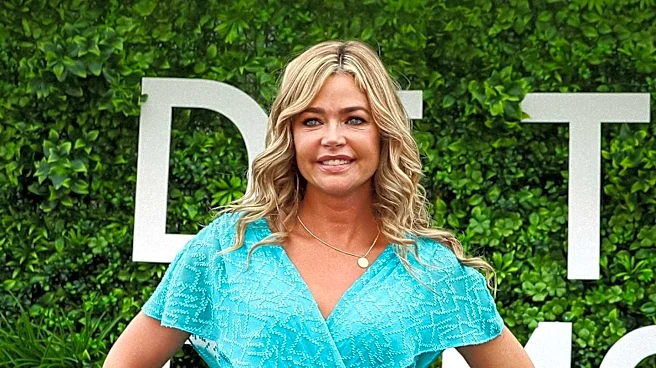
Actress Denise Richards has publicly discussed her past fears regarding potential HIV exposure for herself and her daughters following her ex-husband Charlie Sheen's HIV diagnosis in 2011. Richards encouraged Sheen to get tested after he experienced severe
headaches and chills. Subsequently, she and their children were also tested due to possible exposure. All three received negative results, providing significant relief to the family. Sheen later publicly disclosed his HIV-positive status in 2015, stating that extortion threats compelled him to reveal his health information. A recent Netflix documentary further detailed the circumstances surrounding his diagnosis and Richards' role in urging him to seek testing. HIV, if untreated, can lead to AIDS and is transmitted through bodily fluids such as blood, semen, and breast milk, with common transmission routes including drug use and unprotected sex. Medical advancements now allow many individuals to manage HIV without developing AIDS. Sheen, currently 63, is reportedly on a treatment regimen and is working to rebuild his relationship with Richards and their daughters.
Why It's Important?
This revelation underscores the profound personal impact of HIV diagnoses, not only on the individual but also on their families and close contacts. Richards' experience highlights the immediate and intense fear associated with potential exposure, even years after the initial diagnosis. It also brings to light the ongoing challenges faced by public figures in managing private health information, especially when it involves highly stigmatized conditions like HIV. The story emphasizes the importance of testing and early diagnosis, as well as the advancements in medical treatment that have transformed HIV from a death sentence into a manageable chronic condition. Furthermore, it illustrates the complex dynamics of co-parenting and maintaining family relationships in the aftermath of significant health crises and public disclosures, demonstrating a path towards rebuilding connections despite past difficulties.
What's Next?
While the immediate health concerns for Richards and her daughters have been resolved with negative test results, the ongoing public discussion of this past event may continue to raise awareness about HIV testing and prevention. Charlie Sheen is expected to continue his treatment regimen, and his efforts to strengthen his relationship with Richards and their daughters will likely remain a private family matter, though public interest may persist given their celebrity status. The broader conversation around HIV will continue to focus on destigmatization, access to treatment, and ongoing research for a cure. For Richards, sharing this personal story may contribute to her narrative as a public figure who has navigated significant personal challenges, potentially influencing public perception and support for HIV awareness initiatives.
Beyond the Headlines
The narrative surrounding Denise Richards' HIV exposure fears delves into the ethical and emotional complexities of health disclosures within families, particularly when one parent has a public profile. It highlights the psychological burden of uncertainty and the relief that accurate medical information can bring. The story also touches upon the societal evolution in understanding HIV; while still a serious condition, medical progress has shifted the focus from inevitable decline to long-term management, altering public perception and reducing some of the historical stigma. This personal account serves as a powerful reminder of the human element behind public health issues, emphasizing the need for empathy, education, and support for individuals and families affected by HIV. It also implicitly critiques the pressures public figures face, where private health matters can become subjects of widespread media attention and speculation.