









What's Happening?
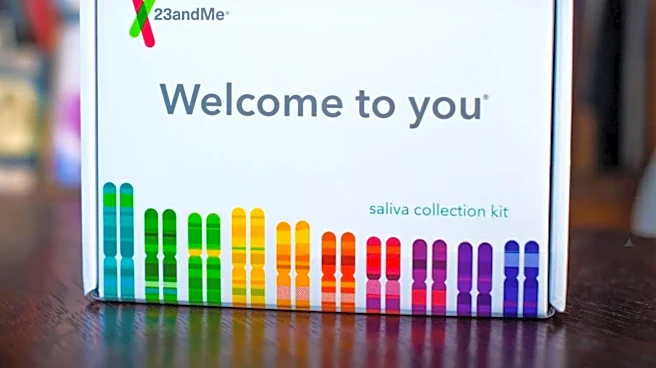
Individuals who have undergone 23andMe genetic testing can extract more detailed health insights from their raw data, particularly concerning methylation pathways and genetic predispositions for various traits. While 23andMe's standard reports cover ancestry
and some health aspects, the raw data file contains single-nucleotide polymorphisms (SNPs) that can be analyzed for specific genetic variants related to methylation, such as MTHFR, MTR, MTRR, and COMT. Methylation is a crucial bodily process involved in recycling homocysteine, processing stress hormones, and gene regulation, relying on nutrients like folate and B12. The raw data can also reveal predispositions for traits like caffeine metabolism (CYP1A2), body weight (FTO), and antioxidant enzyme function (SOD2). Specialized services, like Stride's Optimal DNA Link, can interpret these raw data files to provide comprehensive methylation reports, analyzing multiple genes across five linked pathways (Folate Cycle, Methionine Cycle, Transsulphuration Pathway, BH4 Cycle, Urea Cycle) and offering personalized advice on diet, supplements, and further testing. This allows individuals to understand how their genetic variants work together rather than interpreting single variants in isolation.
Why It's Important?
The ability to delve deeper into 23andMe raw data for insights into methylation and other genetic predispositions is significant for U.S. consumers seeking personalized health information. It empowers individuals to gain a more nuanced understanding of their body's functions and potential health tendencies beyond what standard reports offer. This personalized approach can inform dietary choices, supplement regimens, and lifestyle modifications, potentially leading to improved wellness and preventive health strategies. For instance, understanding MTHFR variants can guide folate and B12 intake, while COMT variants can shed light on stress response and dopamine metabolism. However, it also highlights the importance of accurate interpretation, as misreading single variants or relying solely on genetic data without considering current blood test results (e.g., B12 and folate status) can lead to incorrect conclusions. The emergence of third-party services that analyze raw data underscores a growing demand for comprehensive genetic interpretation, pushing the boundaries of direct-to-consumer genetic testing beyond basic ancestry and trait reporting.
What's Next?
As consumer interest in personalized health grows, the demand for advanced analysis of raw genetic data is likely to increase. This could lead to the development of more sophisticated and user-friendly tools for interpreting genetic information, potentially integrating with digital health platforms and wearable devices. Companies offering these services will need to ensure scientific accuracy, data security, and clear communication of results to avoid misinterpretation. There may also be a push for greater collaboration between direct-to-consumer genetic testing companies and healthcare providers to facilitate the integration of genetic insights into clinical practice. Regulatory bodies may also need to adapt to the evolving landscape of genetic data interpretation, particularly concerning the claims made by third-party analysis services. Individuals will continue to seek expert consultations to understand their results and translate them into actionable health plans, emphasizing the need for qualified genetic counselors and nutrition experts in this field.
Beyond the Headlines
The detailed analysis of 23andMe raw data for methylation and other genetic insights touches upon deeper implications regarding personal responsibility for health and the evolving definition of 'wellness.' It encourages a proactive stance on health, where individuals are not just recipients of medical care but active participants in understanding and optimizing their biological processes. This trend also raises questions about the potential for genetic determinism, where individuals might overemphasize genetic predispositions rather than considering the interplay of genetics with lifestyle and environmental factors. The ethical considerations around data privacy and the potential for discrimination based on genetic information become even more pronounced as more detailed genetic data is analyzed and shared. Furthermore, the commercialization of raw data analysis services highlights the ongoing debate about who owns genetic information and how it should be used, emphasizing the need for robust ethical guidelines and consumer protections in the rapidly expanding field of personalized genomics.