



What's Happening?
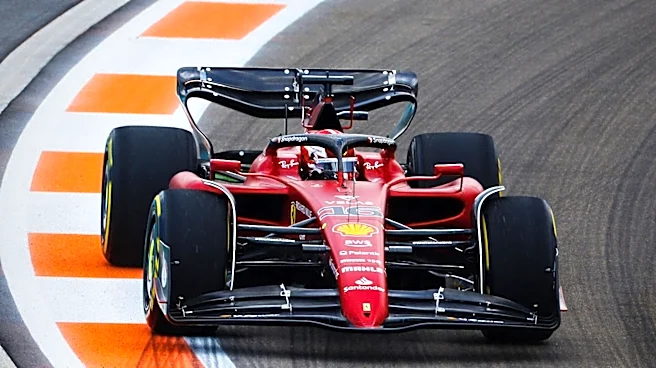
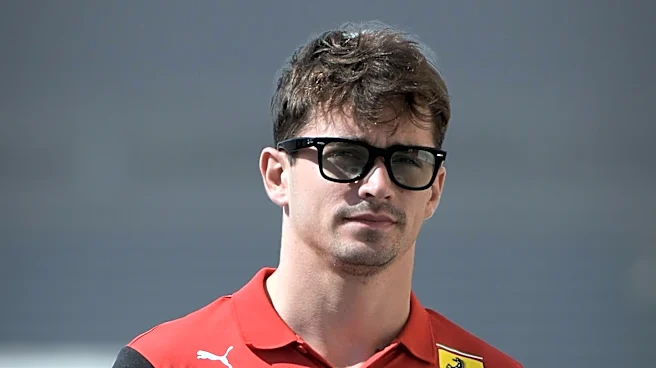
Charles Leclerc, the Ferrari driver, has voiced his disagreement with the five-second penalty he received during the Brazilian Grand Prix. The penalty was issued after Leclerc made contact with Liam Lawson's Racing Bulls car. Leclerc stated that he believes
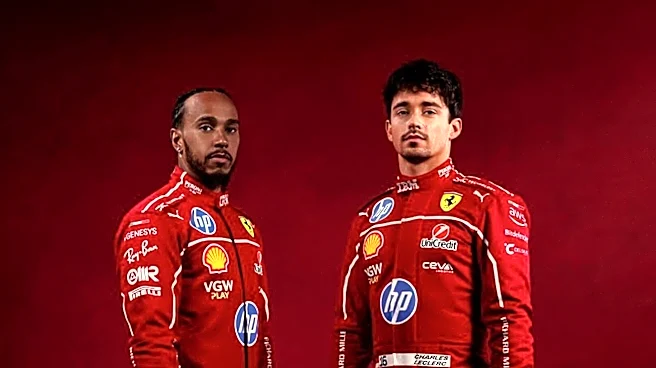
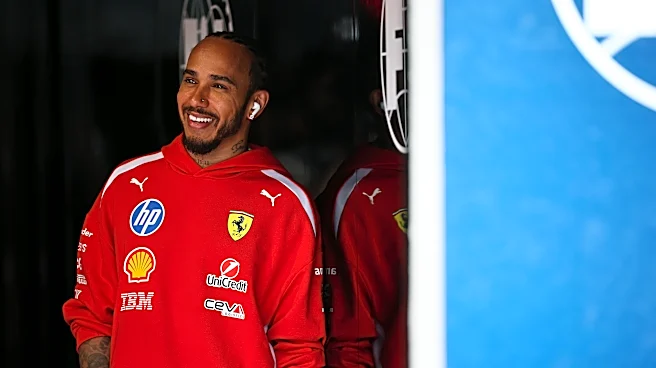
the incident, which occurred as he was on the inside line into Juncao and rubbed wheels with Lawson, did not warrant the sanction. He acknowledged that the contact was minor and did not result in a major incident, but the stewards deemed that the contact disrupted Lawson's car and allowed Leclerc to gain an advantage. Leclerc also referenced a previous five-second penalty he received in Mexico City for an incident involving his Ferrari teammate Lewis Hamilton, suggesting the Brazilian penalty felt like a delayed consequence for the earlier event.
Why It's Important?
This incident highlights ongoing debates within Formula 1 regarding racing standards and the consistency of penalty decisions by the FIA. Leclerc's public disagreement with the penalty, particularly his view that it was 'harsh' and part of racing in tricky conditions, reflects a common sentiment among drivers who often feel that race incidents are judged too strictly. Such disagreements can lead to calls for clearer guidelines or more flexible interpretations of racing rules, impacting how drivers approach on-track battles. For Ferrari, any penalties affecting their drivers can have significant implications for championship standings, especially as they aim to secure second place in the Constructors' Championship. The perception of inconsistent stewarding can also affect fan engagement and the overall integrity of the sport.
What's Next?
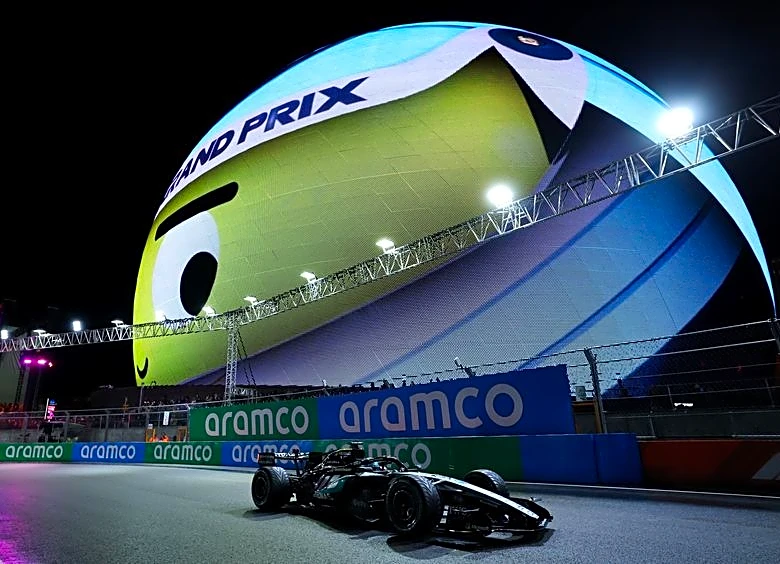
The immediate consequence for Leclerc was a demotion to eighth place in the final classification of the Brazilian Grand Prix. Looking ahead, the focus shifts to the upcoming races, including the Las Vegas Grand Prix, as the F1 season concludes. While Leclerc's penalty for this specific incident is final, his comments may contribute to broader discussions within the FIA and among teams about racing incident protocols. Drivers and teams will continue to adapt their strategies based on how stewards interpret on-track contact. Ferrari will be keen to avoid further penalties as they work to maintain their position in the Constructors' Championship. The ongoing dialogue between drivers, teams, and the FIA regarding racing standards is likely to continue into the next season.
Beyond the Headlines
The debate surrounding Leclerc's penalty touches upon the fundamental tension between aggressive racing and maintaining safety and fairness in Formula 1. Drivers often advocate for more leniency, arguing that minor contact is an inherent part of competitive racing, especially in challenging conditions. Conversely, the FIA aims to prevent dangerous driving and ensure fair play. This ongoing push and pull shapes the very nature of the sport, influencing how future generations of drivers are taught to race and how technological advancements might be used to aid stewarding decisions. The 'F2' comparison made by Lawson, referring to Leclerc's junior racing days, also subtly highlights the perceived difference in driving standards between junior categories and the pinnacle of motorsport, adding another layer to the discussion about driver conduct at the elite level.