







What's Happening?
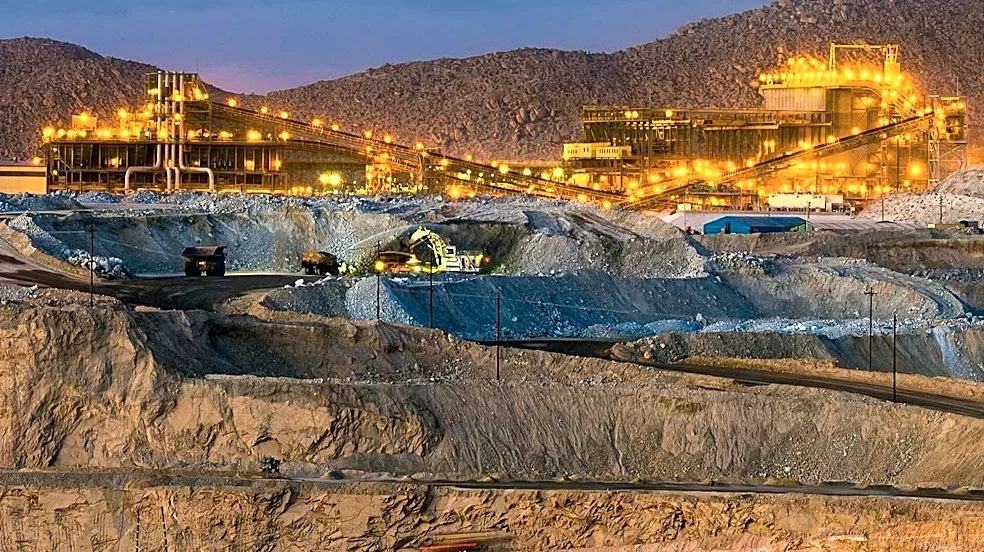
ESGold has completed over 4,000 meters of drilling at its Montauban Gold-Silver Project in Quebec, Canada, as part of a district-wide exploration program. This represents more than 80% of the planned 5,000-meter drill program. The drilling aims to extend
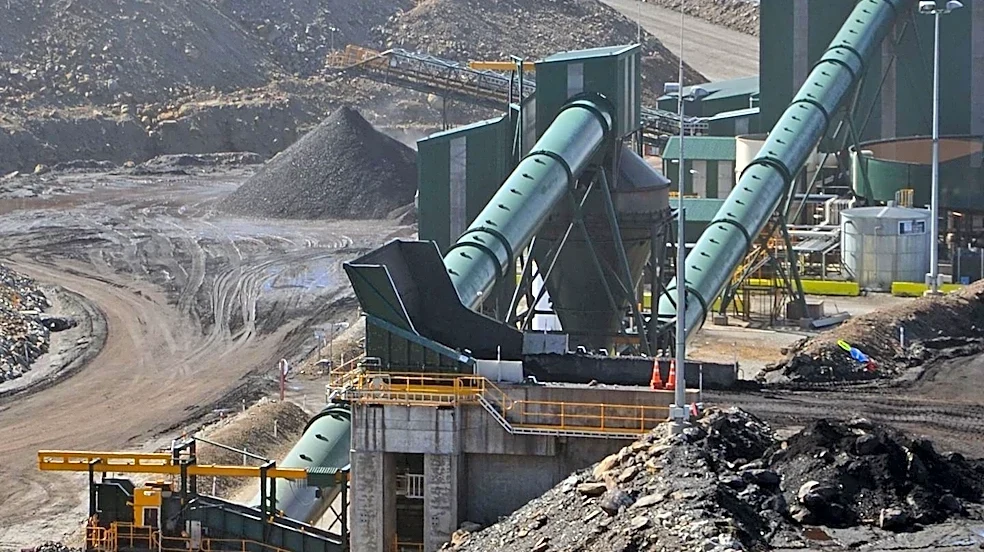
exploration both beyond and beneath the historic mine workings at the Montauban property. Initial drilling focused on the historical mine area, with more recent efforts extending southwards to additional exploration targets. Geological logging of the latest drill core has revealed quartz veins, altered rock, and visible sulphide minerals, with one hole encountering sulphide-rich material. Laboratory assays for these samples are currently pending. Concurrently, ESGold is advancing the construction of its tailings processing facility at Montauban, with all remaining processing equipment either on-site or in transit from China. This facility is designed to recover gold and silver from historical mine tailings, which also contain recoverable mica, and is fully permitted to stabilize and neutralize legacy mine waste.
Why It's Important?
This drilling campaign is crucial for ESGold's dual strategy of advancing gold and silver recovery from historical tailings while exploring for a potentially larger mineralized system at Montauban. The identification of promising geological indicators such as quartz veins and sulphide minerals suggests the potential for significant new discoveries beyond the historical mine area. Successful assay results could substantially increase the project's estimated resource base, attracting further investment and potentially boosting ESGold's market valuation. The development of the tailings processing facility is equally important, as it represents an environmentally responsible approach to resource extraction by cleaning up historical mine waste while recovering valuable minerals. This could set a precedent for sustainable mining practices and contribute to the supply of precious metals, impacting the broader mining industry's environmental and economic considerations.
What's Next?
ESGold is awaiting laboratory assay results from the completed drilling, which will be critical in determining the grades of any mineralization encountered. The company plans to integrate these observations with historical mine records, geophysical surveys, and its 3D geological model to refine targets for future exploration. The arrival and installation of the remaining processing equipment will support the final stages of mill construction, moving the company closer to commencing its planned tailings reprocessing operation. The successful implementation of this reprocessing facility could demonstrate a viable model for extracting value from historical mine waste, potentially leading to further projects of this nature. Future announcements regarding assay results and the operational status of the processing facility will be key indicators of the project's progress and economic viability.
Beyond the Headlines
The Montauban project highlights a growing trend in the mining industry towards re-evaluating historical sites for untapped potential and implementing more sustainable practices. By focusing on both new exploration and the reprocessing of tailings, ESGold is addressing both resource scarcity and environmental legacy issues. The recovery of valuable minerals from phosphogypsum, a waste product, aligns with broader global efforts to promote a circular economy and reduce environmental impact. This approach could lead to the development of innovative technologies and methodologies for waste valorization in the mining sector. Furthermore, the project's success could influence regulatory frameworks and investment trends, encouraging other companies to adopt similar strategies for responsible resource management and environmental remediation.