




What's Happening?
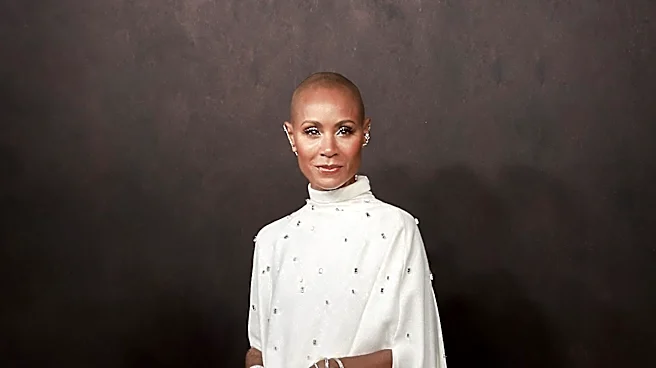
A viral post on X (formerly Twitter) on October 28, 2026, claimed that Jada Pinkett Smith, 55, was spotted kissing a TikTok creator in his 20s in the Maldives. The post, which garnered nearly 1.9 million views, included two images: a blurry shot of a couple
kissing from behind on a beach and a clearer photo of Ms. Smith walking on a beach in a bikini. However, a fact-check revealed that the X account that posted the claim identifies itself as a 'satirical celebrities gossip account.' The solo bikini photo is an older paparazzi shot, identifiable by Ms. Smith's long braided hair, a style she has not worn since 2021 due to alopecia. The 'kiss' photo is heavily blurred, shows no identifiable faces, and features a background with steep green hills, which contradicts the flat coral geography of the Maldives. Furthermore, no TikTok creator has been named or identified in connection with the rumor, and major news outlets have not confirmed the story.
Why It's Important?
This incident highlights the rapid spread of unverified information and misinformation on social media platforms, particularly concerning public figures. The quick virality of the post, despite its satirical origin and lack of factual basis, demonstrates how easily rumors can be amplified and perceived as truth by a large audience. For celebrities like Ms. Smith, such rumors can lead to unnecessary public scrutiny and speculation about their personal lives. It also underscores the challenge for the public to discern credible news from satirical or fabricated content, emphasizing the need for critical media literacy. The situation also touches upon the ongoing public interest in the marital status of Jada Pinkett Smith and Will Smith, who have been separated since 2016 but remain legally married, creating a fertile ground for such gossip.
What's Next?
While the immediate rumor has been debunked, the nature of social media suggests similar unverified claims could emerge in the future. The incident serves as a reminder for social media users to critically evaluate sources and information before sharing. For public figures, it reinforces the ongoing challenge of managing their public image in an era where information, true or false, can spread globally within hours. The lack of official statements from Ms. Smith or her representatives regarding this specific rumor indicates a likely strategy to avoid legitimizing the false claim. The broader conversation around celebrity relationships and the impact of social media on public perception is expected to continue.
Beyond the Headlines
The incident delves into the ethical implications of 'satirical' accounts that present themselves as news sources, blurring the lines between humor and misinformation. While the account claims satire, the impact on public perception can be real, leading to genuine confusion and potentially damaging reputations. This raises questions about the responsibility of social media platforms in labeling or moderating such content to prevent its misinterpretation. The public's fascination with celebrity relationships, particularly those with unconventional dynamics like Ms. Smith's 'separated but married' status, creates a vulnerability that these types of accounts exploit. It also reflects a broader societal trend where entertainment and gossip often overshadow factual reporting, influencing how individuals consume and interpret information.