





What's Happening?
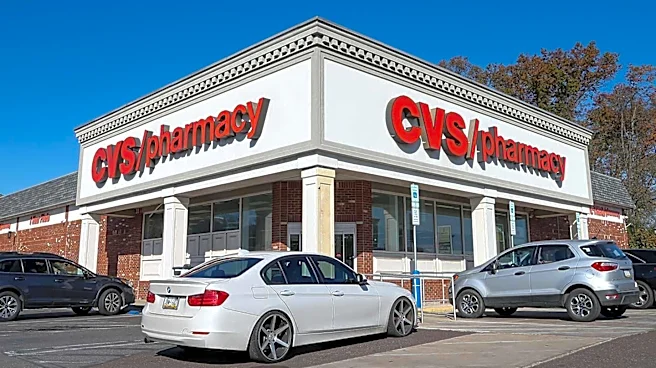
Aetna, a subsidiary of CVS Health, is actively working to transform healthcare experiences for its members, providers, and colleagues. This initiative involves leveraging artificial intelligence (AI) to simplify healthcare processes and expanding remote
work opportunities. For instance, Aetna is hiring for remote positions such as Appeals Nurse Consultant and Health Services Manager, indicating a shift towards more flexible and technologically integrated operational models. The company aims to streamline healthcare by helping members understand costs before receiving care and by giving nurses more time to focus on patient support. Aetna Better Health of California, the Medi-Cal Managed Care line for Aetna, is also expanding its services in California, integrating CVS Health's pharmacy, MinuteClinic, and Oak Street Health infrastructure to provide person-centered care for Medi-Cal members. This expansion is part of California's 2024 Medi-Cal procurement, bringing Aetna's national Medicaid operating model to the state.
Why It's Important?
Aetna's focus on AI and remote roles signifies a broader trend in the U.S. healthcare industry towards digital transformation and increased operational efficiency. The integration of AI is crucial for reducing administrative burdens, improving cost transparency for patients, and allowing healthcare professionals to dedicate more time to direct patient care. This can lead to better patient outcomes and a more efficient healthcare system overall. The expansion of remote roles, such as the Health Services Manager position, reflects a growing acceptance of flexible work arrangements within the healthcare sector, which can attract a wider talent pool and potentially reduce overhead costs. Furthermore, Aetna Better Health of California's expansion highlights the ongoing efforts to improve access to integrated, person-centered care for vulnerable populations, particularly Medi-Cal members. By combining Aetna's expertise with CVS Health's extensive network of pharmacies and clinics, the initiative aims to provide comprehensive care that addresses both medical and social determinants of health, potentially setting a new standard for managed care programs in other states.
What's Next?
Aetna is expected to continue its investment in AI and technology to further simplify healthcare processes and enhance member and provider experiences. The company will likely explore additional applications of AI, such as predictive analytics for patient care and personalized health recommendations. The trend of offering remote positions is also anticipated to grow, potentially leading to a more geographically diverse workforce and increased flexibility for healthcare professionals. In California, Aetna Better Health will continue to build its network around CalAIM populations, focusing on dual-eligible coordination and pharmacy-integrated care delivery. This will involve ongoing collaboration with local healthcare providers and community organizations to ensure comprehensive support for Medi-Cal members. The success of these integrated models in California could influence similar initiatives in other states, as healthcare systems nationwide seek to improve care coordination and address health disparities.
Beyond the Headlines
The strategic shift by Aetna towards AI and remote work has deeper implications for the future of healthcare delivery and the healthcare workforce. Ethically, the use of AI in healthcare raises questions about data privacy, algorithmic bias, and the balance between technological efficiency and human empathy in patient care. Ensuring that AI tools are developed and implemented responsibly will be critical to maintaining trust and equitable access to care. Culturally, the increased prevalence of remote roles could reshape traditional healthcare work environments, fostering a more distributed and flexible workforce. This could lead to new challenges in team cohesion and communication, but also opportunities for greater work-life balance and access to specialized talent regardless of location. The integration of pharmacy and clinic services with managed care, as seen with Aetna Better Health, represents a move towards a more holistic and preventive approach to health, potentially reducing the burden on emergency services and improving overall community health outcomes in the long term.