





What's Happening?
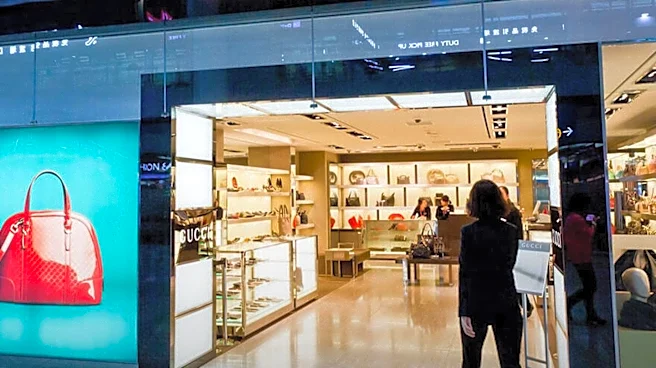
Gucci has launched a new store concept on Avenue Montaigne in Paris, marking the beginning of a global rollout for its redesigned retail spaces. This move comes as the luxury brand seeks to reaffirm its identity and telegraph a new design direction amidst
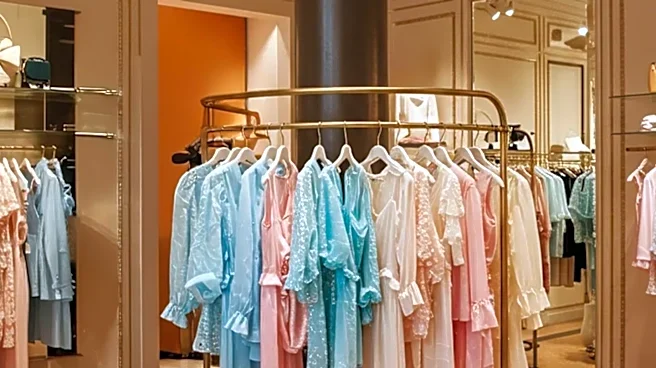
turbulence in the luxury sector. The Paris boutique, located at 56 Avenue Montaigne, replaces a previous unit and is the first physical manifestation of a design concept initially showcased at Demna’s spring 2027 show. Francesca Bellettini, President and CEO of Gucci, emphasized that the new store is designed to embody brand values that transcend individual creative directors, aiming for longevity and adaptability. The four-floor, nearly 16,000-square-foot space features an 'era-hopping Italian approach' to interior design, blending monumental architecture from the 1930s with Renaissance opulence and Milanese home aesthetics from the 1950s to 1970s. This initiative is part of a broader strategy by parent company Kering to close underperforming locations and focus on larger, more impactful flagships in key global cities.
Why It's Important?
This strategic retail overhaul by Gucci is significant for several reasons. Firstly, it represents a concerted effort to stabilize and redefine the brand's image following a period of rapid creative director changes and broader luxury sector volatility. By creating a store concept designed to 'endure' and embody core brand DNA rather than being tied to a single creative vision, Gucci aims to build a more resilient and consistent brand experience for consumers. This approach could help in reversing a prolonged sales slump and re-establishing Gucci's position as a leading luxury house. The emphasis on larger, more experiential flagships in prime locations like Avenue Montaigne reflects a broader trend in luxury retail, where physical stores are evolving into immersive brand destinations rather than mere points of sale. This strategy is crucial for attracting high-value customers and enhancing brand loyalty in a competitive market, potentially influencing how other luxury brands approach their retail strategies.
What's Next?
Following the debut in Paris, Gucci plans to roll out this new store concept globally, with redesigned locations slated to open in London, Shanghai, and Chengdu by the end of the year. Every new opening or relocation will feature this updated design, while existing units, including those in Milan and New York City, are slated for future relocation and redesign. Parent company Kering is also implementing a plan to trim Gucci's store network by 30% by 2030, though total square footage is expected to decrease by only 25%, indicating a shift towards larger, more impactful stores. This suggests a continued focus on optimizing the retail footprint for efficiency and brand impact. The success of these new flagships will be closely watched as an indicator of Gucci's ability to revitalize its brand and sales performance in the coming years, potentially influencing further investment in experiential retail across the luxury sector.
Beyond the Headlines
The unveiling of Gucci's new store concept goes beyond a simple retail update; it signifies a deeper strategic pivot within the luxury fashion industry. By designing a store that transcends individual creative directors, Gucci is acknowledging the increasing fluidity of creative leadership in fashion and aiming to build a brand identity that is more robust and less susceptible to leadership changes. This move could set a precedent for other luxury brands grappling with similar challenges, emphasizing the importance of foundational brand values over transient creative trends. Furthermore, the focus on creating an 'at-home' and 'sensual' environment within the store reflects an evolving understanding of luxury consumer psychology, where comfort, personalization, and an immersive lifestyle experience are paramount. This shift highlights a broader cultural trend in retail towards creating spaces that foster emotional connections and brand loyalty, moving beyond transactional interactions to cultivate a sense of belonging and exclusivity for high-end clientele.