



What's Happening?
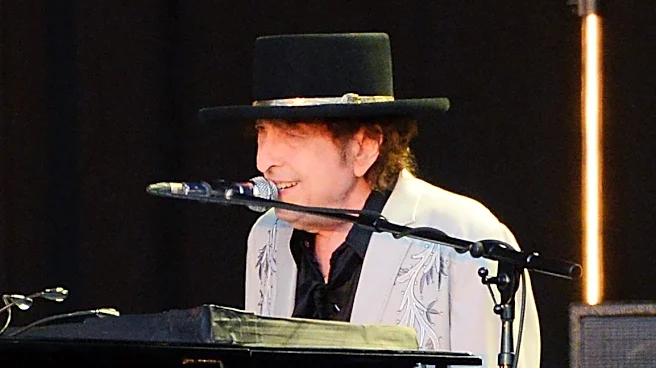
Scarlet Rivera, the iconic violinist who performed with Bob Dylan on his Rolling Thunder tours, recently shared her memories of the 1976 leg of the tour. Rivera noted that the 1976 tour felt distinctly different from the 1975 leg, describing it as 'more
wild and uncontained' with the band taking more liberties in their performances. She recalled playing songs like 'Going Going Gone' and 'Seven Days' live, noting the more aggressive and energetic tempo of 'Isis' during this period. Rivera also discussed the unreleased TV taping from rehearsals in Clearwater, Florida, expressing her surprise that it was never released despite significant production effort. She highlighted the overwhelming energy from larger crowds during the second leg of the tour, a stark contrast to the smaller theaters of the first leg. Rivera also recounted a personal incident where Bob Dylan intervened on her behalf regarding a concert promoter who had previously treated her poorly in New Orleans.
Why It's Important?
Rivera's reflections offer a unique, firsthand account of a pivotal period in American music history, providing insights into the creative evolution of Bob Dylan and his touring band. Her perspective as a key musical contributor sheds light on the dynamic shifts in performance style and the overall atmosphere of the Rolling Thunder Revue. This historical context is crucial for understanding the artistic choices and personal experiences that shaped one of Dylan's most celebrated and enigmatic tours. The details about the unreleased TV special also highlight the unseen aspects of music production and the complexities involved in bringing such large-scale artistic endeavors to the public. Furthermore, her personal anecdotes, such as Dylan's intervention, reveal the human element and camaraderie within the touring group, offering a more nuanced understanding of the relationships that fueled the tour's creative output.
What's Next?
This interview is part of a series of five new interviews about the Rolling Thunder 1976 tour, suggesting that more insights and untold stories from other participants may be forthcoming. These ongoing discussions contribute to a richer historical record of the tour, potentially leading to new interpretations or a deeper appreciation of its impact. For fans of Bob Dylan and music historians, these continued revelations could spark renewed interest in the era, potentially leading to further archival releases, documentaries, or academic studies. The detailed accounts from musicians like Rivera help to preserve the legacy of the Rolling Thunder Revue, ensuring that future generations can understand the nuances and significance of this influential period in American music.
Beyond the Headlines
Rivera's comments about the absence of face paint in 1976 and the 'chaotic' and 'distanced' emotional vibe of the second tour hint at deeper artistic and personal shifts within the ensemble. The face paint, which became an iconic visual element of the 1975 tour, symbolized a particular artistic expression and collective identity. Its disappearance in 1976 suggests a change in the tour's underlying creative impulse or perhaps a more individualistic approach from the performers. This shift could reflect broader themes of artistic evolution, the challenges of maintaining a cohesive artistic vision over time, or the personal toll of extensive touring. The differing emotional tones between the two legs of the tour also invite contemplation on how external pressures, personal dynamics, and artistic freedom can influence the creative output and overall experience of a musical collective.