







What's Happening?
Deepinder Goyal, co-founder of Zomato, asserts that his startup's Temple wearable, which is worn on the forehead, offers more accurate heart rate tracking compared to wrist-based devices. This claim is based on data from a badminton match where the Temple device was
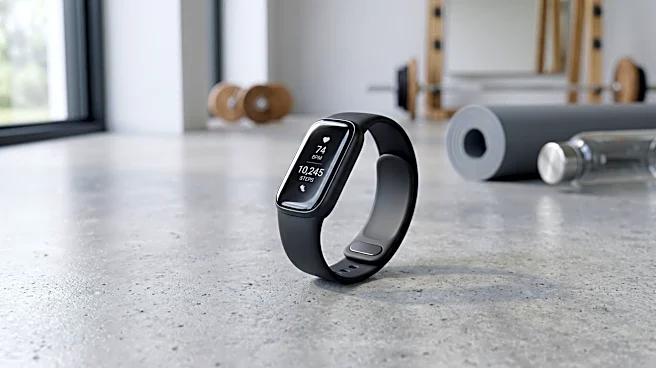
tested against a Polar device, considered a gold standard, and an unnamed screenless wrist fitness tracker. According to NewsBytes, Goyal attributes Temple's superior performance to its forehead placement, arguing that the head remains more stable during physical activity than the wrist, which can experience significant movement and strain on optical sensors. While some headlines have suggested a direct competition with Apple Watch, verified reports indicate the wrist-based competitor was a generic screenless tracker, not a specific Apple Watch model. The test involved one player wearing all three devices simultaneously during a badminton match, aiming to ensure consistent conditions for comparison.
Why It's Important?
This development is significant for the wearable technology market, particularly for companies like Apple and Samsung that heavily invest in wrist-based fitness trackers. If independent validation supports Temple's claims, it could challenge the prevailing design philosophy of wearables and potentially shift consumer expectations regarding accuracy and form factor. The argument for forehead placement suggests a fundamental re-evaluation of optimal sensor locations for biometric data collection, especially during high-intensity activities. For consumers, a more accurate heart rate tracker could lead to improved fitness insights, better training optimization, and potentially more reliable health monitoring. However, the market impact will depend on broader acceptance of a forehead-worn device, which presents different user experience considerations compared to the ubiquitous wristband. The initial funding of $54 million for Temple indicates significant investor confidence in this alternative approach.
What's Next?
The immediate next step for Temple will likely involve seeking independent validation of its heart rate tracking claims. While the initial test provides a promising demonstration, a single match with one wearer is not a statistically robust result. Future tests would need to include a larger number of participants, named device models for comparison, and comprehensive error metrics against established medical-grade references like ECG. The company may also need to address practical considerations for a forehead-worn device, such as comfort, sweat management, and long-term wearability, which are crucial for broader consumer adoption. Competitors in the wearable market, including major players, will be closely monitoring these developments, and may respond with software enhancements or multi-sensor fusion techniques for their existing wrist-based devices to improve accuracy during movement.
Beyond the Headlines
Beyond heart rate tracking, Temple's primary focus is on continuously tracking cerebral blood flow, a metric not typically offered by current mainstream wearables. This capability, if proven accurate and reliable, could open new frontiers in personal health monitoring, potentially offering insights into stress, recovery, sleep quality, and even meditation effectiveness. Such advanced biometric data collection raises important ethical and legal considerations regarding data privacy and regulatory oversight, especially as it delves into highly personal physiological information. The shift from wrist to forehead also highlights a broader trend in wearable technology to explore alternative body sites for more precise data capture, moving beyond the limitations of traditional wrist-based sensors. This innovation could lead to a more diverse and specialized wearable market, catering to specific needs beyond general fitness tracking.