








What's Happening?
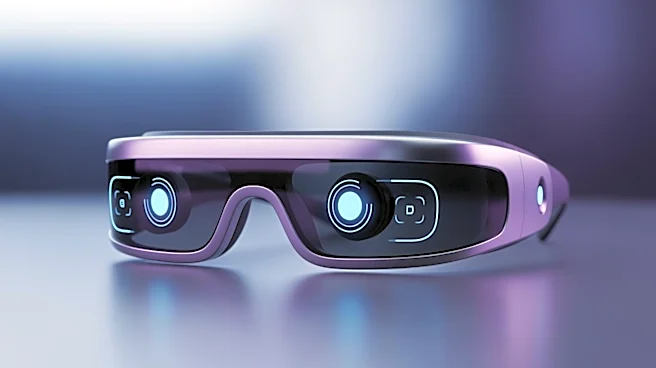
Qualcomm, a leading semiconductor manufacturer, has announced its strategic plans to develop a new generation of AI-powered devices that could potentially replace smartphones. CEO Cristiano Amon revealed that the company is working on over 40 different
AI-powered wearable gadgets, including smart glasses, jewelry, and camera-equipped earbuds. To support this initiative, Qualcomm introduced two major products: the Snapdragon Reality Elite platform and the Scalable Turnkey AI-Ready Toolkit (START). The Snapdragon Reality Elite platform is designed for mixed reality glasses, offering significant improvements in GPU, CPU, and NPU performance. This platform can run a language model with 3 billion parameters at a speed of 45 tokens per second, ensuring seamless AI interactions. Additionally, the platform enhances visual quality, providing 4.4K resolution images at 90 frames per second for each eye, reducing eye strain and dizziness. Qualcomm's strategy aims to position the company as a primary technological platform in the post-smartphone era.
Why It's Important?
Qualcomm's move to develop AI-powered wearable devices signifies a potential shift in the tech industry, as it challenges the dominance of traditional smartphone manufacturers like Apple and Samsung. By focusing on devices that users can carry at all times, Qualcomm is addressing the growing demand for more integrated and efficient technology solutions. The introduction of the Snapdragon Reality Elite platform and the START program could accelerate the entry of new manufacturers into the market, fostering innovation and competition. This development could lead to significant changes in consumer behavior and the tech landscape, as wearable devices become more prevalent and sophisticated. Qualcomm's initiative also highlights the increasing importance of AI in everyday technology, potentially transforming how users interact with digital content and AI agents.
What's Next?
Qualcomm plans to expand its START project beyond smart glasses to include other types of wearable devices. As the company continues to develop and refine its AI-powered technologies, it is likely to form partnerships with various manufacturers to bring these devices to market. The success of Qualcomm's strategy could prompt other tech companies to invest in similar technologies, further driving innovation in the wearable device sector. Additionally, as these devices become more mainstream, there may be implications for data privacy and security, as well as the need for new regulatory frameworks to address these concerns.