



What's Happening?
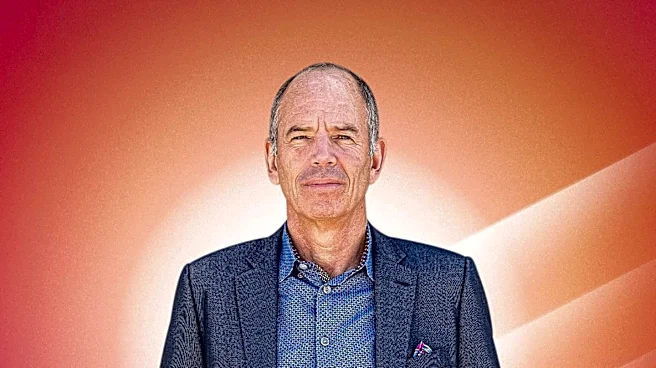
Brian Moynihan, the Chief Executive Officer of Bank of America, is closely observing the spending habits of American consumers to gauge their financial resilience against increasing inflation and high gas prices. As a leader of one of the largest financial institutions,
Moynihan has access to real-time data that provides insights into how these economic pressures are impacting households across the United States. His observations are crucial for understanding the broader economic landscape and the challenges faced by the average American consumer. The ongoing rise in gas prices and persistent inflation are key factors influencing consumer behavior and financial stability, making Moynihan's perspective particularly relevant in the current economic climate.
Why It's Important?
Moynihan's insights are significant because they offer a direct, data-driven perspective on the financial health of U.S. consumers. Bank of America processes a vast amount of transactions, providing a unique vantage point into spending patterns, savings rates, and debt levels. This real-time information can serve as an early indicator of economic trends, potentially signaling shifts in consumer confidence or spending capacity. For policymakers, businesses, and economic stakeholders, understanding these dynamics is critical for making informed decisions. A decline in consumer spending, for instance, could foreshadow a broader economic slowdown, while sustained spending might suggest resilience despite inflationary pressures. The data gathered by institutions like Bank of America helps to paint a clearer picture of the economic challenges and opportunities facing the nation.
What's Next?
The ongoing monitoring of consumer spending by Bank of America and other financial institutions will continue to be a key indicator for the U.S. economy. Should inflation and gas prices remain elevated, or even increase further, it is likely that financial institutions will adjust their lending practices and economic forecasts. Policymakers, including the Federal Reserve, will also be closely watching these trends to inform decisions regarding interest rates and other monetary policies. Businesses, in turn, may adapt their pricing strategies, inventory management, and investment plans based on the observed consumer behavior. The insights from figures like Moynihan will play a role in shaping public discourse and policy responses to the evolving economic conditions.
Beyond the Headlines
The detailed analysis of consumer spending, as undertaken by Bank of America, extends beyond mere financial metrics. It offers a window into the daily struggles and adaptations of American households. For example, changes in spending on discretionary items versus necessities can reveal the extent to which inflation is forcing families to make difficult choices. This granular data can highlight disparities in economic impact across different income brackets and geographic regions. Furthermore, the reliance on such real-time data underscores the increasing sophistication of economic analysis, moving beyond traditional lagging indicators to more immediate assessments of economic health. This approach can lead to more targeted and effective interventions, but also raises questions about data privacy and the power of financial institutions in shaping economic narratives.