




What's Happening?
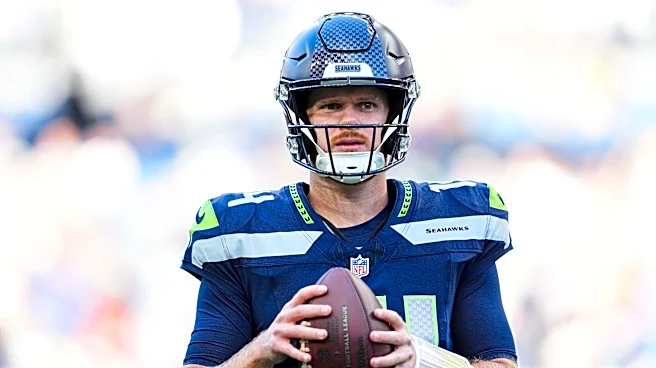
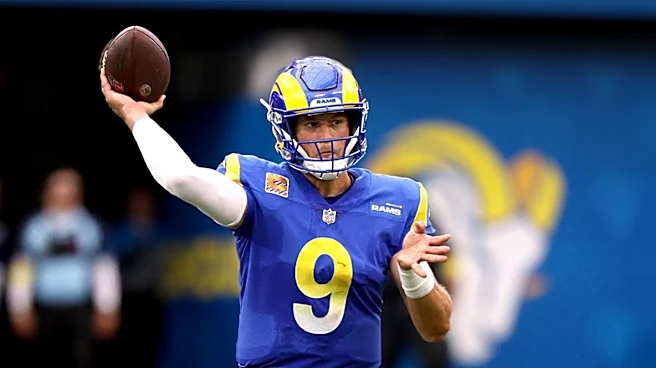
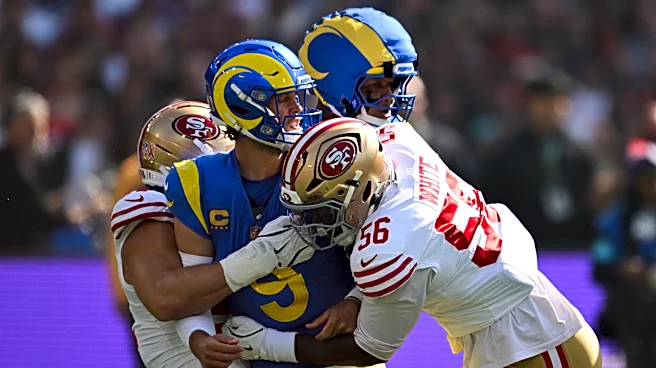
Kelly Stafford, wife of Los Angeles Rams quarterback Matthew Stafford, has voiced her apprehension regarding the growing integration of Artificial Intelligence (AI) in the NFL, specifically citing the Seattle Seahawks' adoption of new technology. She
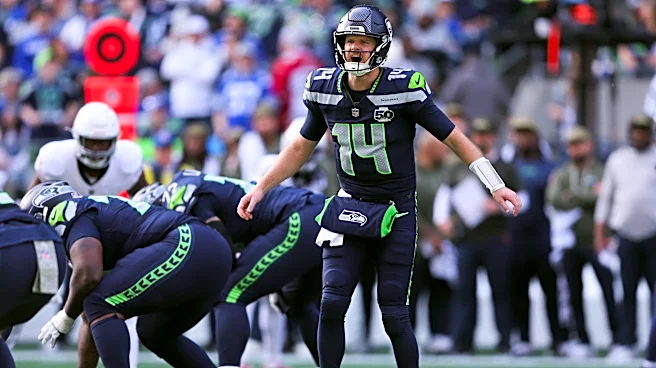
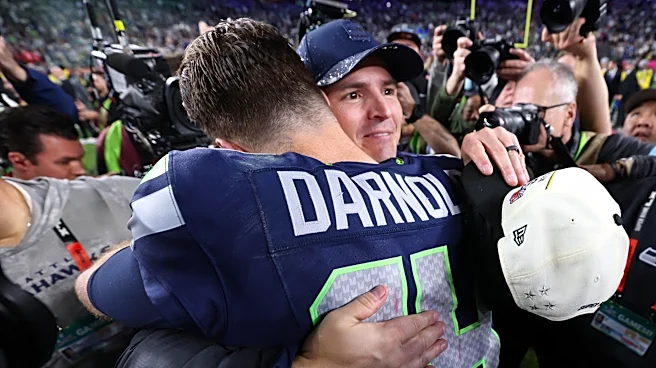
shared her concerns on Instagram, stating that the trend 'doesn't feel right.' The Seattle Seahawks are reportedly utilizing AI tools, such as Copilot, for scouting and game-planning, a move that streamlines tasks previously requiring extensive manual review. Brian Eayrs, the team's director of football analysis and special situations, is employing AI to run game models and analyze film. Head coach Mike Macdonald supports this shift, believing AI can process data faster, allowing more time for coaching and player development. This isn't the Seahawks' first foray into AI; in May 2023, they used DALL-E 2 to create promotional images. General Manager John Schneider anticipates that new ownership's AI expertise will further advance the franchise in areas like medicine, scouting, and coaching.
Why It's Important?
The increasing use of AI in the NFL, as highlighted by Kelly Stafford's concerns, signifies a significant technological shift within professional sports. This trend could revolutionize how teams approach strategy, player development, and even medical care. For the NFL, embracing AI could lead to more efficient operations, potentially giving early adopters a competitive edge in scouting and game preparation. However, it also raises questions about the human element in sports, the potential for over-reliance on technology, and ethical considerations regarding data privacy and algorithmic bias. The move by teams like the Seahawks could pressure other franchises to invest heavily in AI, leading to an 'AI arms race' within the league. This development could also impact the job market for traditional scouting and analytical roles, as AI systems take over data-intensive tasks. The broader implications extend to how sports fans perceive the authenticity and integrity of the game if strategic decisions are increasingly influenced by algorithms.
What's Next?
The NFL is likely to see continued expansion of AI integration across various teams and functions. Other franchises will closely monitor the success and challenges faced by early adopters like the Seattle Seahawks. This could lead to a league-wide discussion on best practices, ethical guidelines, and potential regulations for AI use in professional sports. We may see more players and their families, like Kelly Stafford, publicly addressing their concerns, prompting the league to provide greater transparency and assurances regarding the responsible use of these technologies. Furthermore, the development of specialized AI tools tailored for sports analytics, player performance, and injury prevention is expected to accelerate. The league might also explore educational initiatives to help players, coaches, and staff understand the benefits and limitations of AI, fostering a more informed and adaptable environment. The long-term impact could include changes in player training methodologies, game-day strategies, and even the fan experience through AI-enhanced broadcasts and interactive content.
Beyond the Headlines
The debate surrounding AI in the NFL, sparked by figures like Kelly Stafford, touches upon deeper societal questions about the role of technology in human endeavors. Beyond the immediate competitive advantages, the integration of AI into sports raises ethical dilemmas concerning fairness, human intuition, and the essence of athletic competition. If AI can predict outcomes or optimize strategies with unprecedented accuracy, does it diminish the role of human ingenuity and the unpredictable nature that makes sports compelling? There's also the potential for a 'black box' problem, where AI decisions are difficult to interpret, leading to a lack of accountability. Culturally, it could shift the narrative from individual heroic efforts to data-driven precision, potentially alienating traditional fans who value the human drama of the game. The NFL's journey with AI could serve as a microcosm for how other industries grapple with balancing technological advancement with human values and ethical considerations, setting precedents for future human-AI collaborations in high-stakes environments.