









What's Happening?
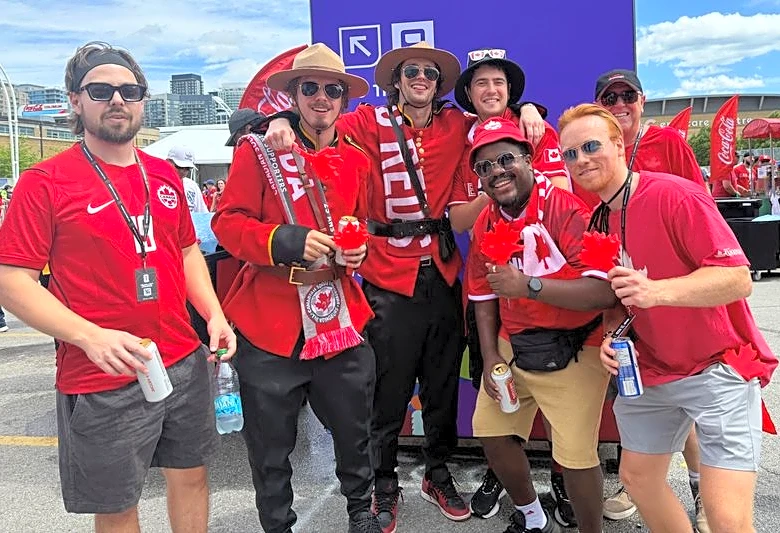
As the 2026 FIFA World Cup takes place across 11 U.S. cities, international tourists are sharing their first experiences with American food on social media. Visitors from countries like Japan, Scotland, and Sweden are trying iconic American dishes such
as Texas barbecue, fast food, and regional specialties. Social media platforms are flooded with videos and posts from fans enjoying their culinary adventures, with some describing the experience as 'living in a movie.' The influx of tourists has also led to increased demand at local establishments, such as the Sam Adams Downtown Boston Taproom, which reported record sales during the event.
Why It's Important?
The World Cup provides a unique opportunity for cultural exchange, with food playing a central role in how international visitors experience the U.S. This event highlights the global appeal of American cuisine and its influence on popular culture. The positive reception of American food by tourists can boost the hospitality and restaurant industries, which are key economic sectors. Additionally, the widespread sharing of these experiences on social media enhances the visibility of American culinary traditions and may attract future tourists seeking similar experiences.
What's Next?
As the World Cup continues, more tourists will likely share their food experiences, further promoting American cuisine globally. Restaurants and food establishments in host cities are expected to continue benefiting from increased patronage. The event may also encourage local businesses to innovate and offer unique dining experiences to cater to diverse international tastes. In the long term, the positive exposure could lead to sustained interest in American food culture, potentially influencing culinary trends worldwide.
Beyond the Headlines
The enthusiastic response to American food by World Cup tourists underscores the power of food as a tool for diplomacy and cultural connection. It also raises questions about the sustainability of food practices and the need to balance cultural preservation with environmental considerations. The event highlights the potential for food tourism to drive economic growth and foster cross-cultural understanding, emphasizing the importance of culinary diversity in a globalized world.