




What's Happening?
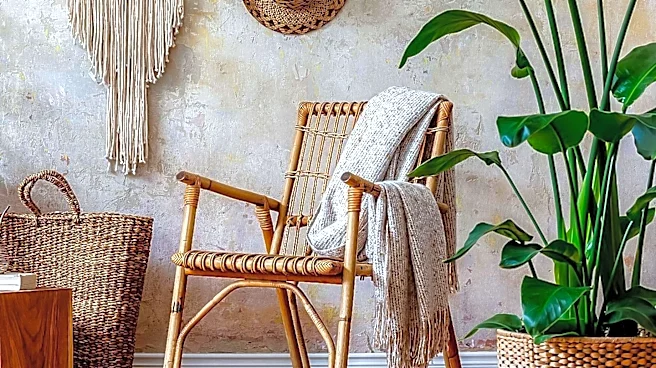
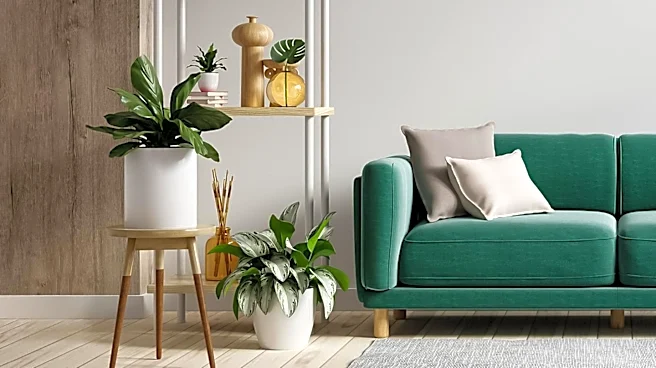
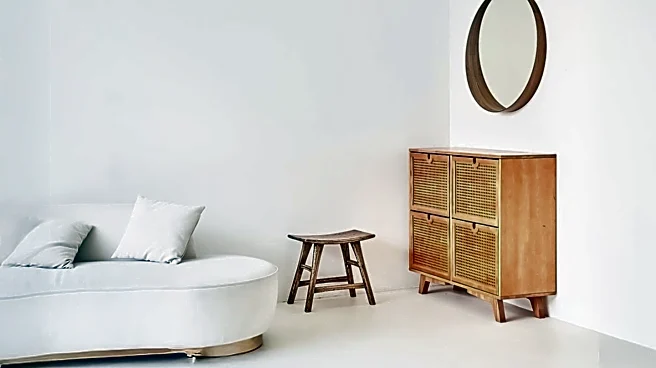
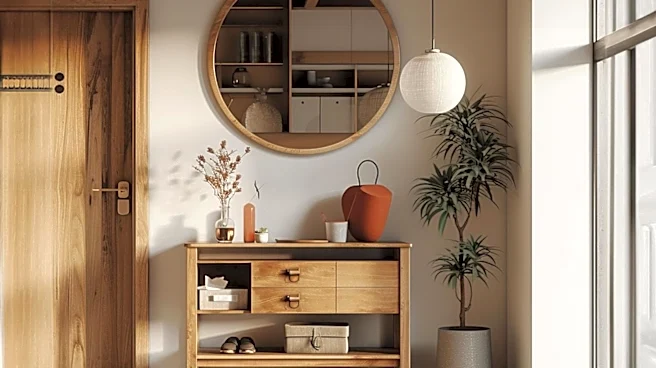
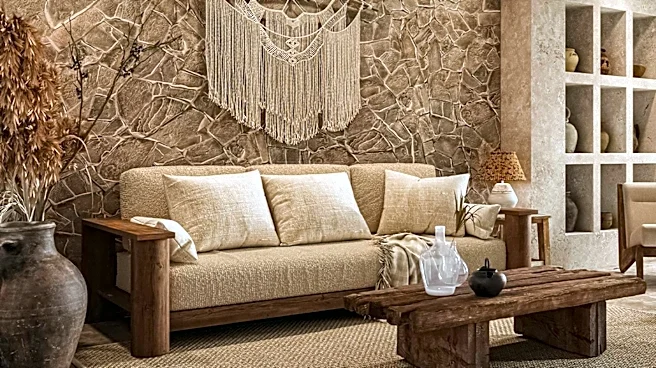
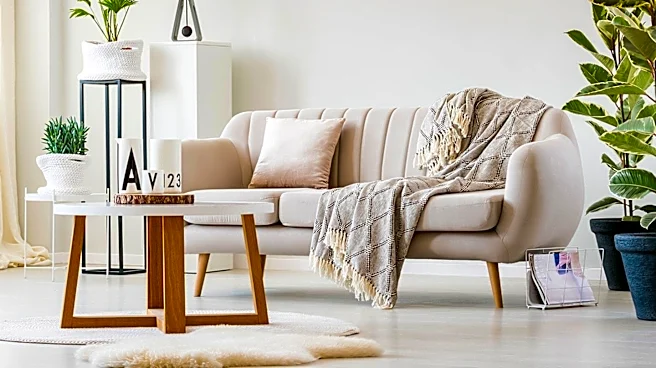
Japandi, an interior design style that merges Japanese minimalism with Scandinavian design principles, is increasingly being adopted in U.S. homes. This style emphasizes natural materials, muted color palettes, and a serene atmosphere, prioritizing craftsmanship
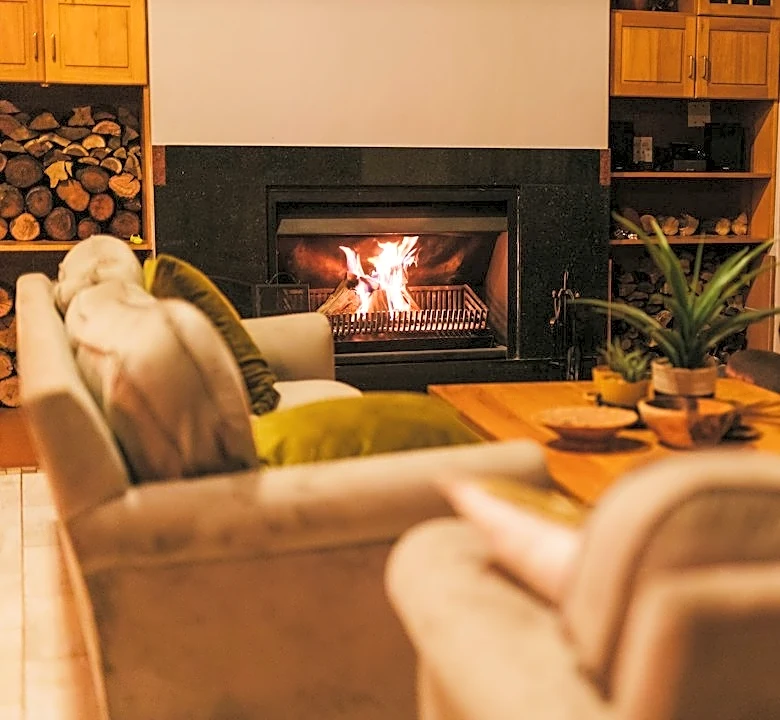
and simplicity. Key characteristics include lower furniture profiles, textured elements, and uncluttered spaces. It is seen as a harmonious blend that takes the disciplined approach of Japanese aesthetics and softens it with the livability found in Scandinavian design. The style often incorporates both dark and pale woods, paper, and stone, creating a calm and unhurried environment. This design approach is particularly appealing to those seeking a balanced and tranquil living space, moving away from overly ornate or sterile environments.
Why It's Important?
The rise of Japandi design reflects a broader shift in consumer preferences towards more mindful and sustainable living environments in the U.S. This style's emphasis on natural materials and durability aligns with growing environmental consciousness and a desire for long-lasting, quality pieces over transient trends. For the U.S. furniture and home decor industries, this trend signifies a demand for products that embody simplicity, functionality, and natural aesthetics. Retailers and manufacturers may need to adapt their offerings to include more Japandi-aligned furniture, textiles, and decorative items, focusing on craftsmanship and natural textures. Homeowners stand to gain by creating more peaceful and functional living spaces, potentially reducing clutter and fostering a sense of well-being. The style's adaptability also makes it a cost-effective choice for those looking to update their interiors, as it often involves subtle changes rather than complete overhauls, especially for those transitioning from Scandinavian styles.
What's Next?
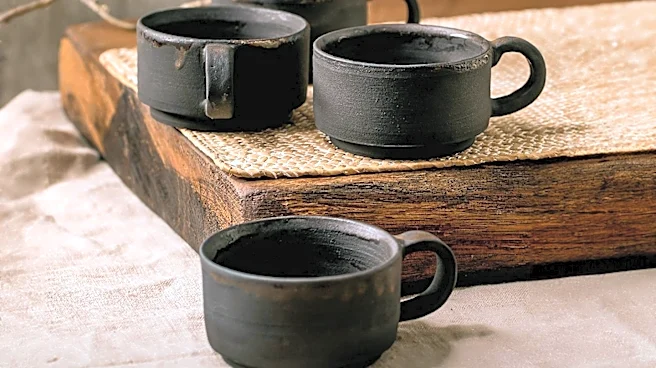
As Japandi continues to gain traction, it is expected that more U.S. interior designers will incorporate this style into their projects, and home decor retailers will expand their Japandi-inspired collections. We may see an increase in demand for specific materials like light oak, dark walnut, linen, and ceramic, as well as furniture with clean lines and low profiles. Educational content and design resources focusing on Japandi principles are also likely to become more prevalent, guiding homeowners on how to effectively integrate this aesthetic into their living spaces. Furthermore, the style's influence could extend to architectural design, with new constructions potentially incorporating elements that align with Japandi's emphasis on natural light, open spaces, and connection to nature. The trend may also inspire a greater appreciation for artisanal goods and handcrafted items, further supporting local craftspeople and sustainable production methods.
Beyond the Headlines
Beyond its aesthetic appeal, the growing popularity of Japandi design in the U.S. hints at deeper cultural and psychological shifts. The fusion of Japanese and Scandinavian philosophies suggests a collective yearning for balance, tranquility, and a slower pace of life in an increasingly fast-paced world. Ethically, the style promotes sustainability through its emphasis on natural, durable materials and a 'less is more' approach, encouraging conscious consumption over disposable trends. Legally, this could influence building codes and material sourcing regulations as demand for specific natural resources increases. Culturally, it represents a cross-pollination of design ideas, fostering a global appreciation for diverse aesthetic traditions. This trend could also lead to a re-evaluation of what constitutes 'luxury' in home design, shifting focus from ostentation to understated elegance, comfort, and functionality, ultimately influencing long-term design paradigms in the U.S.