





What's Happening?
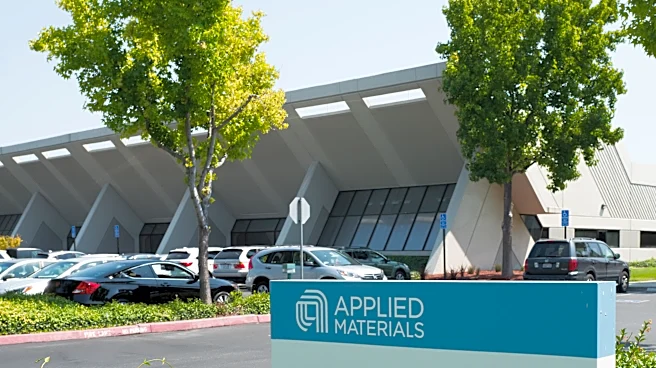
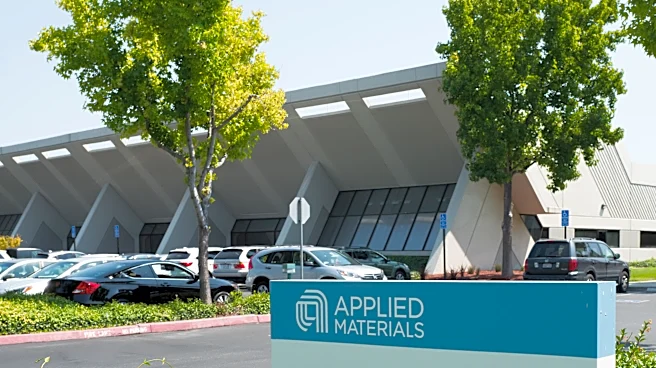
Applied Materials, a leading supplier of equipment to the semiconductor industry, has announced plans to significantly expand its manufacturing and laboratory capacity. The company aims to double its systems output from Q4 2026 levels by 2028 and more
than double its overall manufacturing and laboratory capacity by 2030. This expansion follows a record quarterly revenue of $10.41 billion, a 53% increase from the previous year, with its semiconductor systems segment growing 64% year-over-year to $8 billion. CEO Gary Dickerson stated that the demand for advanced semiconductors is currently outpacing the industry's supply, necessitating years of investment in new manufacturing capacity. The company anticipates a more than 30% year-over-year growth in wafer fabrication equipment (WFE) demand in 2027, driven by leading-edge logic, DRAM, and advanced packaging. CFO Brice Hill identified cleanroom capacity and component supply as key limiting factors for the sector in the medium term, which Applied Materials is addressing by engaging with over 250 supplier executives and collaborating with customers on forward-looking forecasts.
Why It's Important?
This significant investment by Applied Materials underscores the critical and growing demand for semiconductors, particularly those used in artificial intelligence (AI) applications. The expansion directly addresses a major bottleneck in the global chip supply chain, which has profound implications for various U.S. industries reliant on advanced computing, including technology, automotive, and defense. By increasing the availability of manufacturing equipment, Applied Materials facilitates the construction and expansion of chip fabrication plants (fabs) within the U.S. and globally, potentially reducing reliance on foreign manufacturing and enhancing national security. The move also signals confidence in the long-term growth trajectory of the semiconductor market, driven by AI and other emerging technologies. For U.S. businesses, a more robust and accessible supply of advanced chips could lead to faster innovation cycles, reduced production costs, and greater competitiveness. Conversely, any delays or shortfalls in this expansion could exacerbate existing supply chain issues, impacting the ability of U.S. companies to meet consumer and industrial demand for high-tech products.
What's Next?
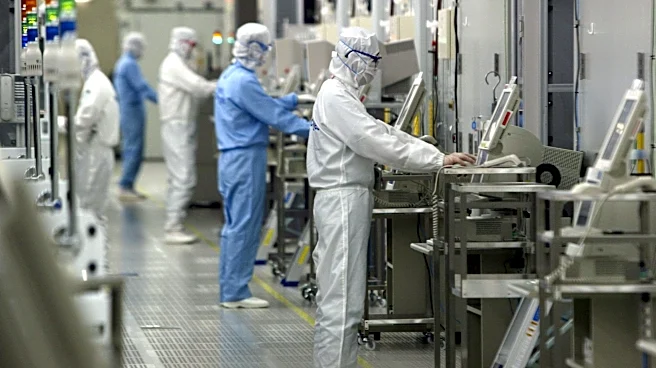
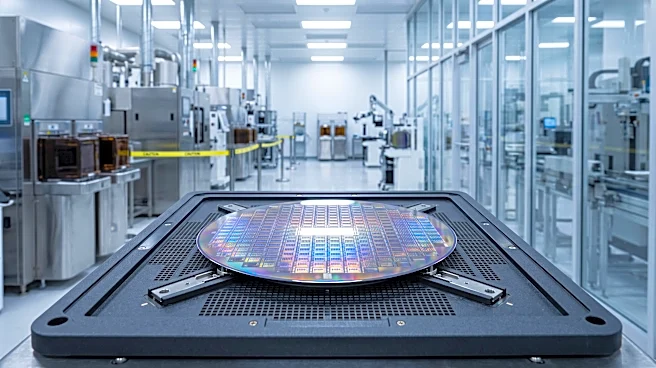
Applied Materials' expansion is expected to lead to increased availability of semiconductor manufacturing equipment, which will be crucial for the numerous fab ramps and expansions scheduled through 2030. The company is tracking over 20 new fab projects for 2027, with more targeting 2029 and 2030. The cleanroom facilities are a key focus, as their capacity is a major constraint. The company will continue to work closely with its extensive network of suppliers and customers to ensure a synchronized scaling of production. This strategic move by Applied Materials is likely to encourage further investment across the semiconductor ecosystem, from materials suppliers to chip designers and manufacturers, as the industry collectively strives to meet the escalating demand for advanced chips. The success of this expansion will be a critical factor in determining the pace of innovation and growth in AI and other technology sectors in the coming years.
Beyond the Headlines
The expansion by Applied Materials highlights a broader strategic shift towards strengthening the domestic and allied semiconductor supply chains, a priority for U.S. policymakers concerned about economic competitiveness and national security. The substantial capital investment required for such expansions, coupled with the long lead times for building and equipping fabs, underscores the inherent challenges in rapidly scaling semiconductor production. This situation also brings to light the intricate global interdependencies within the semiconductor industry, where even a leading equipment supplier like Applied Materials must manage a vast network of component suppliers. The emphasis on AI chip production suggests a future where AI capabilities will be increasingly integrated into various aspects of daily life and industry, making the reliable supply of these foundational components paramount. The ethical and societal implications of widespread AI adoption are also tied to the availability of these chips, as greater access could accelerate both beneficial applications and potential challenges.