





What's Happening?
Nestlé is positioned as the largest company by wellness-related revenue in a highly fragmented global health and wellness market, according to Precedence Research. The market is estimated at USD 4.79 trillion in 2025 and is projected to reach USD 7.76
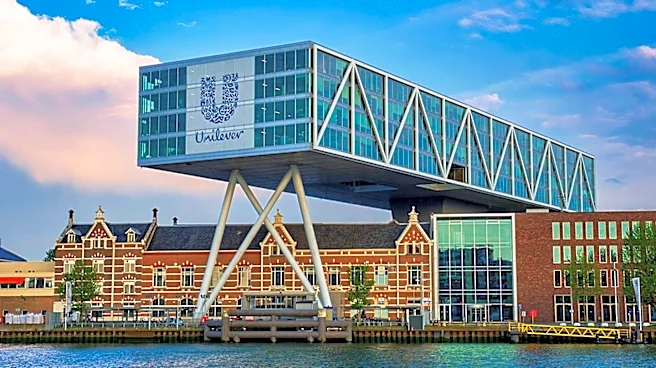
trillion by 2035. Nestlé reported 2025 sales of CHF 89.5 billion, achieving 3.5% organic growth. The company is strategically combining its Nutrition business with Nestlé Health Science to create a more streamlined operation focused on health-driven growth. Despite its leading position, Nestlé holds approximately 0.94% of the total market share, highlighting the significant fragmentation where the top ten companies collectively account for only about 3.6% of the revenue. Other major players include Procter & Gamble, Unilever, L'Oréal, and Danone, each holding less than 1% of the market.
Why It's Important?
The strategic integration of Nestlé's Nutrition business with Nestlé Health Science signifies a broader industry trend towards consolidating health-focused portfolios to capture growth in the expanding wellness sector. This move by a market leader like Nestlé could influence other large consumer goods companies to re-evaluate and streamline their own health and wellness divisions. The highly fragmented nature of the market, where no single entity holds even 1% share, indicates significant opportunities for both established players and new entrants. This fragmentation also suggests that consumers have a wide array of choices, fostering intense competition across various sub-sectors like healthy eating, personal care, and preventive medicine. The substantial projected growth of the market to USD 7.76 trillion by 2035 underscores the increasing consumer focus on health and well-being, making it a critical area for investment and innovation for businesses aiming to cater to evolving consumer demands.
What's Next?
Nestlé's integrated Nutrition and Health Science business is expected to intensify its focus on health-driven growth, potentially leading to new product developments and market strategies in areas like infant nutrition, medical nutrition, vitamins, and supplements. The broader health and wellness market is anticipated to continue its rapid expansion, driven by factors such as aging populations, increased awareness of chronic diseases, and a growing emphasis on preventive health. Companies will likely continue to invest in personalization, with digital apps and testing services becoming crucial for tailoring nutrition and fitness solutions. The competitive landscape will remain highly fragmented, with local brands, clinics, and studios retaining a significant portion of the market. Industry observers will be watching to see how major players like Nestlé leverage their scale and integrated strategies to gain a larger foothold in this diverse and growing market.
Beyond the Headlines
The ongoing fragmentation of the health and wellness market, despite the presence of global giants like Nestlé, points to a deeper consumer preference for specialized and niche offerings. This suggests that while large corporations can provide broad solutions, smaller, more focused brands often resonate more deeply with specific consumer needs and health philosophies. The convergence of beauty with health, as seen with L'Oréal's dermatological beauty focus, highlights a holistic view of wellness that extends beyond traditional nutrition. Furthermore, the impact of emerging trends like weight-loss drugs (GLP-1 users needing protein and muscle support) indicates how medical advancements can rapidly reshape consumer demand and create entirely new product categories within the wellness industry. This dynamic environment necessitates continuous innovation and adaptability from all market participants, from multinational corporations to specialized startups, to remain relevant and competitive.