






What's Happening?
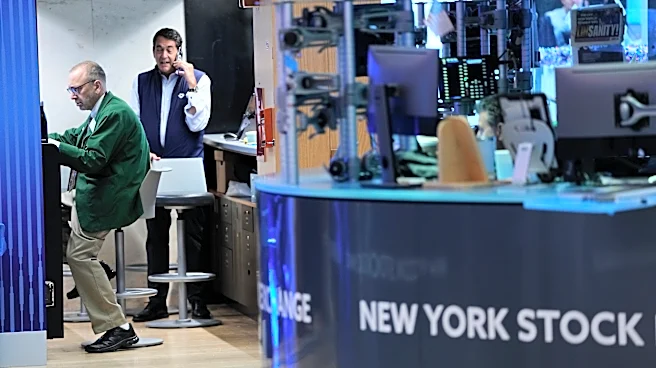
PepsiCo has reported a stronger-than-expected revenue for the second quarter, with net revenue rising 6.4% to $24.2 billion, surpassing Wall Street expectations. However, the company faced weaker demand in North America as consumers tightened their budgets
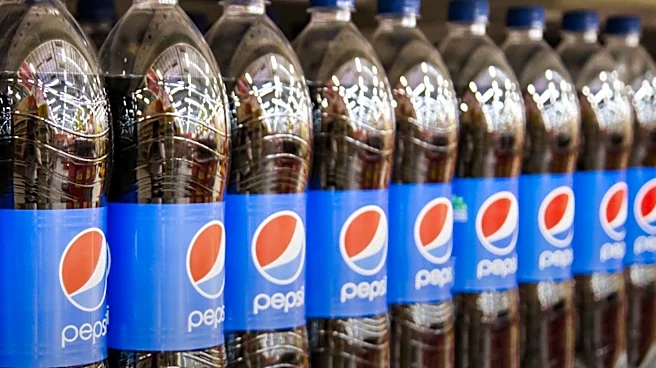
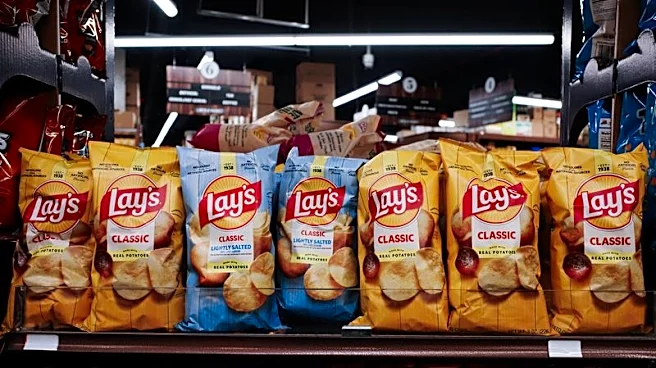
due to rising gas prices, influenced by the Iran war. PepsiCo CEO Ramon Laguarta noted that impulse purchases at gas stations and convenience stores were particularly affected. Despite these challenges, PepsiCo's snack sales volumes remained flat, while beverage volumes fell by 4% in North America. The company is working with stores to offer more affordable pack sizes and meal bundles to entice customers.
Why It's Important?
The report highlights the impact of external economic factors, such as gas prices, on consumer behavior and corporate performance. PepsiCo's ability to maintain strong revenue despite these challenges underscores its strategic pricing adjustments and product offerings. The company's focus on affordability and healthier product options, like Doritos Protein and Gatorade Lower Sugar, reflects a broader industry trend towards catering to cost-conscious and health-aware consumers. This development is significant for stakeholders as it indicates potential shifts in consumer spending patterns and the need for companies to adapt to economic fluctuations.
What's Next?
PepsiCo plans to continue investing in making its products more affordable and meeting consumer demand for healthier options. The company is also working with retailers to increase shelf space for its products, which could boost sales in the second half of the year. The ongoing volatility in gas prices and geopolitical tensions may continue to influence consumer behavior and corporate strategies. Stakeholders will be watching how PepsiCo navigates these challenges and whether its strategies will sustain revenue growth amid economic uncertainties.