




What's Happening?
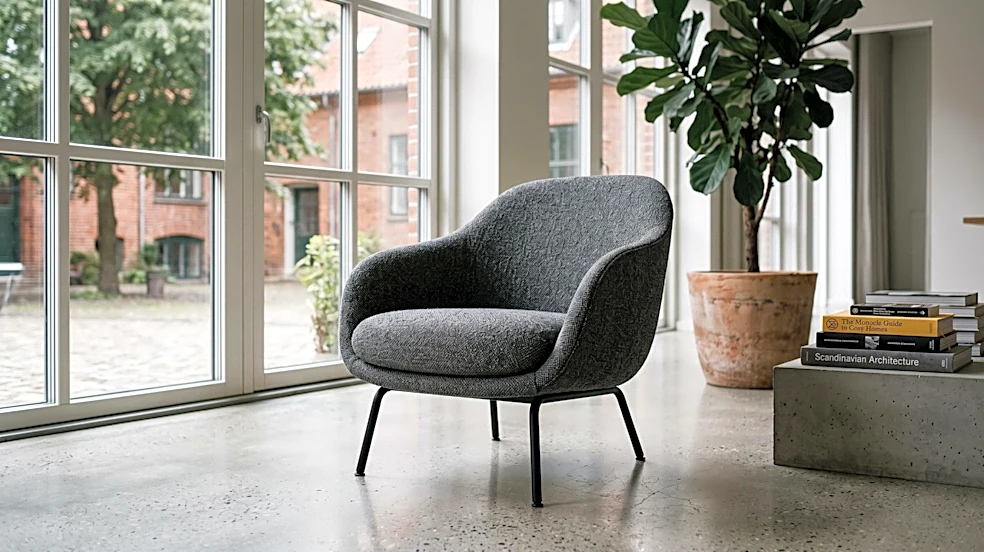
Furniture brand Karimoku New Standard has globally released its KNS x ASICS Collaboration, which repurposes upcycled foam from unused ASICS trainers into cushioning for two new seating designs: the Castor Lobby Sofa and the Polar Lounge Chair. This initiative
utilizes deadstock and sample footwear from ASICS that would otherwise have been discarded. The process involves dismantling, sorting, and crushing ASICS trainers to extract Ethylene Vinyl Acetate (EVA) foam, a material commonly used in shoe cushioning. This extracted foam is then blended with cotton and combined with a three-millimeter condensed foam sheet to create a unique hybrid structure for the furniture's cushioning. The collaboration, initially launched in Japan, stemmed from Karimoku New Standard's work on seating for ASICS' Tokyo office meeting spaces. The brands emphasized that the project goes beyond mere material reuse, aiming to transform shoe waste into functional added value and true furniture comfort through rigorous prototyping and expertise in sports science.
Why It's Important?
This collaboration highlights a growing trend in sustainable design and manufacturing, particularly within the furniture and apparel industries. By transforming discarded footwear into new furniture components, Karimoku New Standard and ASICS are addressing the significant issue of waste reduction. The use of EVA foam from trainers demonstrates an innovative approach to material upcycling, potentially setting a precedent for other companies looking to minimize their environmental footprint. This initiative could influence consumer perceptions of product lifecycle and encourage demand for sustainably sourced and produced goods. For the U.S. market, such collaborations could inspire domestic manufacturers to explore similar upcycling methods, fostering a more circular economy and potentially creating new markets for recycled materials. It also underscores the value of cross-industry partnerships in achieving sustainability goals, showcasing how expertise from different sectors can lead to novel solutions for waste management and resource efficiency.
What's Next?
The global release of the KNS x ASICS Collaboration suggests a broader push for sustainable products in international markets, including the U.S. Consumers can expect to see these upcycled furniture pieces become available, potentially influencing purchasing decisions towards more environmentally conscious options. This initiative may also encourage other brands in both the furniture and footwear industries to explore similar partnerships and material innovation strategies. The success of this collaboration could lead to further research and development in repurposing other types of industrial waste into consumer goods. Additionally, it might prompt discussions and policy considerations around waste management and recycling incentives within manufacturing sectors, as companies seek to align with growing consumer and regulatory demands for sustainability. The project's emphasis on 'functional added value' suggests a future where upcycled products are not just eco-friendly but also offer enhanced performance or unique design attributes.
Beyond the Headlines
The KNS x ASICS Collaboration delves into the deeper implications of product design and consumption in an era of increasing environmental awareness. It challenges the traditional linear model of production, where materials are extracted, used, and then discarded, by demonstrating a viable circular alternative. This project highlights the ethical responsibility of manufacturers to consider the entire lifecycle of their products and to innovate in ways that minimize waste. Culturally, it could shift perceptions of 'waste' from something to be disposed of to a valuable resource with untapped potential. The collaboration also underscores the importance of interdisciplinary approaches, combining design aesthetics with scientific expertise (sports science in this case) to create both sustainable and comfortable products. This could lead to a broader re-evaluation of material science and manufacturing processes across various industries, fostering a culture of innovation centered on resourcefulness and environmental stewardship.