





What's Happening?
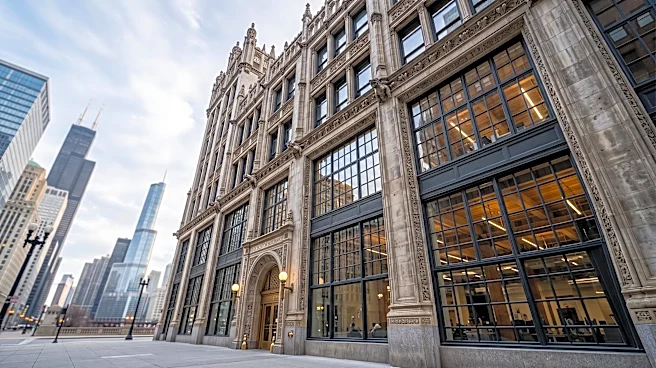
R2 Cos. and Lagfin have completed the conversion of the historic Rector Building at 79 W. Monroe in downtown Chicago, transforming seven upper floors of vacant office space into 117 apartments. This project introduces both market-rate and affordable housing
units to the Loop area. The building, originally constructed in 1905 and designed by architect Jarvis Hunt, is now the first completed initiative under Chicago’s 'LaSalle Street Reimagined' program. The redevelopment includes 76 market-rate units and 41 affordable units, offering a mix of studio, one-bedroom, and two-bedroom layouts. Residents will have access to rooftop amenities such as an indoor tenant lounge, a fitness center, and outdoor spaces. Ware Malcomb provided architectural and interior design services, while Leopardo Cos. and GMA Construction Group served as general contractors for the project.
Why It's Important?
This conversion project is a significant step in Chicago's strategy to revitalize its downtown area by repurposing underutilized office buildings into residential assets. The addition of 117 apartments, particularly with a substantial number of affordable units, addresses the growing demand for housing in the central business district and promotes a more diverse residential mix. For investors and landlords, the project demonstrates a viable model for creating residential value from vacant office spaces while preserving historic structures. As office utilization patterns continue to evolve, adaptive reuse projects like the Rector Building conversion are becoming increasingly crucial for urban planning and economic development, offering a pathway to sustain downtown vibrancy and address housing shortages.
What's Next?
The completion of the Rector Building conversion sets a precedent for future projects under Chicago's 'LaSalle Street Reimagined' initiative. The city is likely to encourage more developers to undertake similar office-to-residential conversions, especially given the ongoing shifts in office space demand. This successful model could lead to further investment in downtown Chicago's real estate market, attracting more residents and businesses to the area. The city will likely monitor the impact of these conversions on local economies, housing affordability, and urban density to refine its revitalization strategies. Future developments may also focus on integrating more mixed-use properties to create dynamic urban environments.
Beyond the Headlines
The conversion of the Rector Building highlights a broader national trend of repurposing commercial real estate to meet evolving urban needs. Beyond simply providing housing, these projects contribute to the preservation of architectural heritage, as seen with the 1905 Rector Building. This adaptive reuse approach can mitigate urban sprawl by intensifying existing urban cores and reducing the environmental impact associated with new construction. Furthermore, by integrating affordable housing into prime downtown locations, such conversions can foster greater social equity and accessibility to urban amenities for a wider range of income levels, potentially reshaping the socio-economic fabric of central business districts.