






What's Happening?
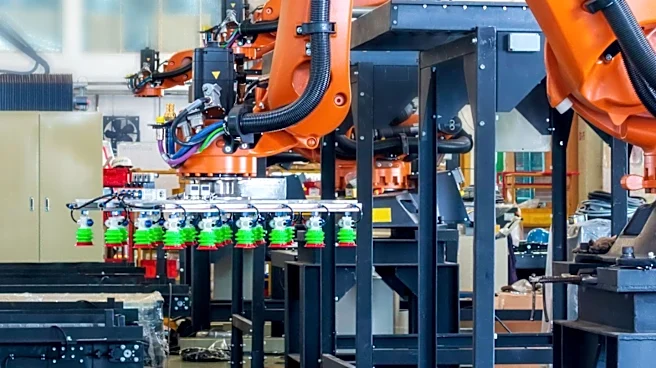
The U.S. housing industry is increasingly adopting robotics and automation to address a significant shortage of skilled workers and meet the demand for more housing. While humanoid robots on construction sites are not yet widespread, the most impactful
advancements are occurring in specialized applications. These include machines that minimize errors, streamline coordination among different trades, and automate repetitive tasks. Factory-based construction, which shifts more of the building process into controlled environments, is also showing considerable promise. The National Association of Home Builders (NAHB) reports a deficit of approximately 1.2 million homes in the U.S., with nearly 300,000 construction jobs unfilled by the end of 2025. The industry needs to attract about 740,000 new workers annually to account for growth, retirements, and departures. This labor shortage contributes to a long-standing productivity issue, as residential construction productivity has only risen about 16% since 1993, compared to over 50% across the broader economy.
Why It's Important?
The integration of robotics and automation is crucial for the U.S. housing market, which faces persistent labor shortages and a substantial housing deficit. These issues lead to higher construction costs and extended timelines, costing homebuilders an estimated $11 billion annually and adding roughly two months to the average construction project. By adopting automation in areas like layout, factory prefabrication, and specific repetitive tasks, the industry aims to improve precision, reduce rework, and increase overall throughput. This shift could lead to more efficient construction processes, potentially lowering costs and accelerating the delivery of new homes. However, the full economic impact and scalability of these technologies are still being evaluated, as the industry grapples with diverse project requirements and the need for widespread adoption across various trades.
What's Next?
Over the next five to ten years, robotics are expected to incrementally increase housing output in the U.S. through targeted productivity gains rather than a complete overhaul of the industry. Factory automation, prefabrication, and robotic layout systems are anticipated to advance most rapidly. On-site robots will likely first be deployed for repetitive, physically demanding, or precision-sensitive tasks. Companies like Dusty Robotics, with their FieldPrinter system, are demonstrating how digital plans can be accurately transferred to job sites, reducing information errors and rework. The industry is currently in a 'prove-it phase,' gathering data to quantify the full savings and efficiencies across the entire construction process. Achieving maximum benefits will require greater coordination and participation from multiple trades, as well as consistent designs, particularly in tract housing and multifamily developments.
Beyond the Headlines
The move towards automation in U.S. homebuilding highlights a broader trend of industrial sectors seeking technological solutions to workforce challenges and productivity plateaus. While the immediate focus is on efficiency and cost reduction, this shift also raises questions about the evolving role of skilled labor in construction. Industry experts believe that despite automation, skilled workers such as welders, electricians, and plumbers will remain essential for tasks requiring human expertise and adaptability to varied conditions. The long-term implications include a potential redefinition of construction jobs, with a greater emphasis on technical skills related to operating and maintaining advanced machinery. This evolution could also foster greater standardization in building practices, potentially leading to higher quality and more consistent housing products across the nation.