






What's Happening?
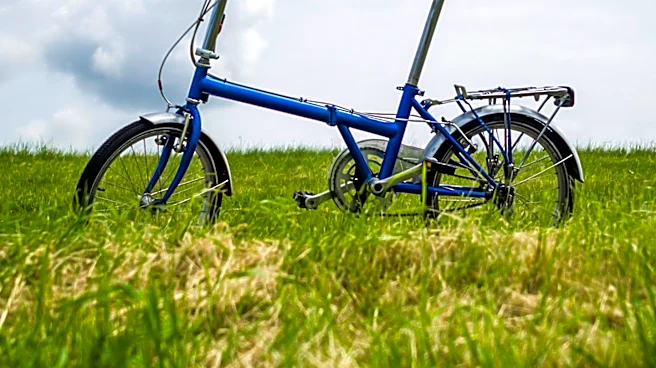
Folding bikes are emerging as a practical solution for daily commuting, offering significant advantages in portability, storage, and flexibility. Unlike conventional bicycles, their compact design allows them to be easily carried and stored in small spaces,
such as apartments, offices, or on public transportation. This feature is particularly beneficial for mixed-mode commuting, where individuals combine cycling with other forms of transport like buses or trains. For instance, a commuter can cycle to a transit station, fold the bike for the next leg of the journey, and then unfold it upon reaching their destination. This adaptability makes folding bikes suitable for short-distance errands, reducing reliance on cars for quick trips to shops or local cafes. The ability to avoid parking hassles in busy urban areas further enhances their appeal, as they can often be secured in designated bicycle parking or stored indoors. The integration of physical activity into daily routines is another key benefit, as cycling to and from work can contribute to a more active lifestyle without requiring separate workout sessions.
Why It's Important?
The increasing adoption of folding bikes has significant implications for urban planning, public health, and personal mobility in the U.S. From an urban planning perspective, the rise of compact, multi-modal transportation options can alleviate traffic congestion and reduce the demand for extensive car parking infrastructure in densely populated areas. This shift supports sustainable urban development and can lead to more pedestrian-friendly cityscapes. For public health, integrating cycling into daily commutes helps combat sedentary lifestyles prevalent in modern work routines, potentially reducing the incidence of chronic diseases associated with lack of physical activity. Economically, folding bikes offer cost savings by reducing fuel expenses, parking fees, and public transport fares for certain segments of a commute. They also empower individuals with greater flexibility in their travel choices, making it easier to navigate urban environments efficiently. This trend could also influence the bicycle manufacturing and retail industries, driving innovation in compact and lightweight designs to meet growing consumer demand for versatile commuting solutions.
What's Next?
As the popularity of folding bikes grows, several developments are anticipated. Urban infrastructure will likely adapt to better accommodate these versatile vehicles, with increased provision of secure indoor bike storage at workplaces and residential buildings, as well as more integrated bike-and-ride facilities at transit hubs. Manufacturers are expected to continue innovating, focusing on lighter materials, more efficient folding mechanisms, and potentially electric-assist models to broaden their appeal. Public transportation policies may also evolve to explicitly define guidelines for carrying folded bikes, ensuring seamless integration into multi-modal networks. Furthermore, cities might explore incentives or educational campaigns to encourage the use of folding bikes as part of broader sustainable transportation initiatives. The market for accessories tailored to folding bikes, such as specialized carrying bags and compact locks, is also likely to expand, catering to the specific needs of this growing user base.
Beyond the Headlines
Beyond their immediate practical benefits, the increasing use of folding bikes reflects a deeper cultural shift towards more mindful and sustainable living. It highlights a growing desire among urban dwellers to reclaim their commute time, transforming it from a passive, often stressful experience into an active and engaging one. This trend also underscores a re-evaluation of personal space and efficiency, as individuals seek solutions that minimize their environmental footprint and maximize convenience in increasingly crowded urban settings. The folding bike, therefore, becomes more than just a mode of transport; it symbolizes a lifestyle choice that prioritizes health, environmental responsibility, and personal autonomy. This shift could foster a stronger sense of community among cyclists and contribute to a broader movement advocating for more bike-friendly cities, influencing policy decisions that promote active transportation over car dependency.