





What's Happening?
A growing trend among travelers, particularly those in retirement, emphasizes the value of experiential journeys over simply visiting numerous destinations. This shift focuses on slow travel, allowing individuals to deeply engage with local cultures,
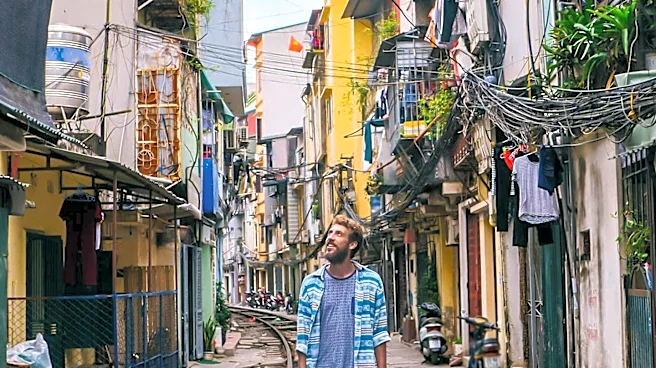
cuisines, and natural environments. Instead of rushing to tick off famous landmarks, the new approach encourages savoring moments like morning walks by the sea, conversing with locals, trying unfamiliar dishes, and appreciating unexpected street corners. Malaysia and Singapore are cited as examples of destinations that offer a rich blend of nature, culture, food, and history, appealing to those seeking immersive experiences. Bhutan is also mentioned for its promise of peace and simplicity, further illustrating the desire for meaningful engagement rather than mere sightseeing. This perspective suggests that the true 'bucket list' is not a tally of countries visited, but a collection of profound experiences and a sustained sense of wonder.
Why It's Important?
This evolving travel philosophy holds significant implications for the U.S. tourism and hospitality industries. As more Americans, especially retirees, adopt a 'slow travel' mindset, there will be an increased demand for authentic, immersive experiences rather than fast-paced, checklist-driven tours. This could lead to a shift in marketing strategies, with a greater focus on promoting cultural immersion, local interactions, and unique natural attractions within the U.S. Businesses that can offer personalized, in-depth experiences, such as culinary tours, eco-tourism, or community-based tourism, stand to gain. Conversely, traditional mass tourism operators relying on quick visits to major attractions might need to adapt their offerings. The emphasis on curiosity and personal growth through travel also suggests a market for educational and skill-building travel experiences, potentially boosting niche sectors within the travel industry. This trend could also influence infrastructure development, favoring smaller, more sustainable accommodations and local businesses over large, generic resorts.
What's Next?
The U.S. travel industry is likely to see a continued evolution in how travel packages are designed and marketed. Expect to see more curated itineraries that highlight local craftsmanship, regional culinary traditions, and opportunities for genuine cultural exchange. Travel agencies and online platforms may begin to offer 'experience-based' filters and recommendations, moving beyond just destination and price. There could also be an increase in demand for longer stays in single locations, fostering deeper connections with communities. Furthermore, destinations within the U.S. that can offer a blend of natural beauty, cultural richness, and opportunities for quiet reflection, such as national parks, historical towns, and rural communities, may experience a surge in popularity. This shift could also encourage the development of more sustainable tourism practices, as slow travel inherently promotes a lower environmental impact and greater respect for local resources.
Beyond the Headlines
The shift towards experiential travel reflects a broader societal trend of prioritizing personal well-being, mindfulness, and authentic connection in an increasingly fast-paced world. It challenges the consumerist notion of travel as a mere acquisition of destinations and instead frames it as a journey of self-discovery and cultural understanding. This deeper implication suggests a re-evaluation of what constitutes 'value' in leisure activities, moving away from superficial consumption towards enriching personal growth. Ethically, this approach can foster greater respect for diverse cultures and environments, potentially leading to more responsible tourism. Culturally, it encourages travelers to become active participants rather than passive observers, promoting cross-cultural dialogue and empathy. In the long term, this could lead to a more sustainable and meaningful global tourism landscape, where the impact on local communities and environments is carefully considered, and the pursuit of genuine human connection becomes paramount.