



What's Happening?
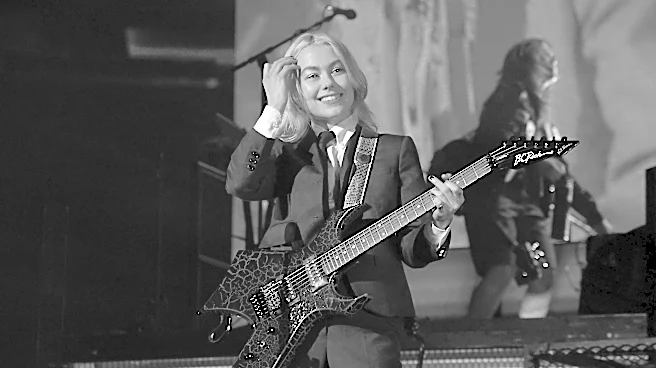
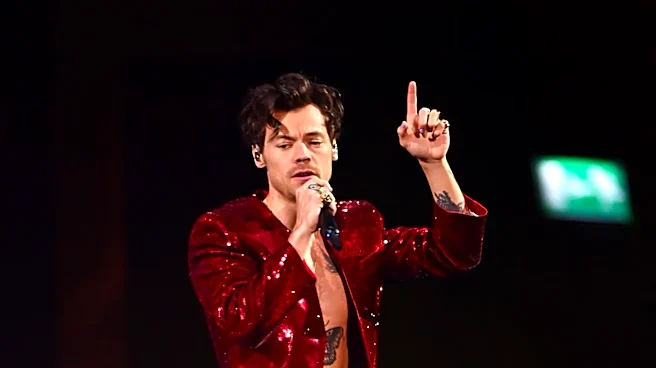
Indie musician Phoebe Bridgers has announced a ban on phones and other recording devices at her 'The Lost Tour' concerts. This policy requires concertgoers to secure their electronic devices in Yondr pouches, a method also adopted by artists such as Jack
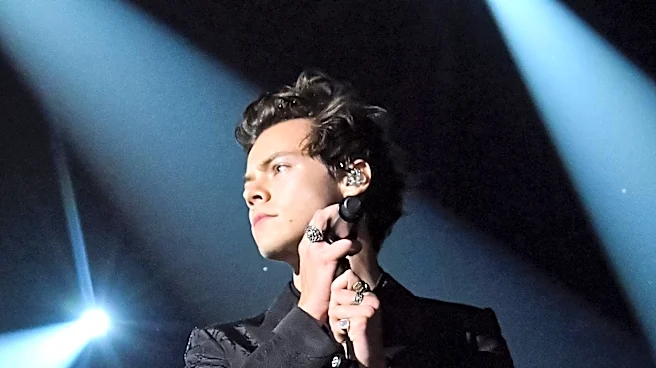
White, Bob Dylan, and Harry Styles. Fans attending Bridgers' shows have reportedly started bringing sketchpads and notebooks to create souvenirs of the performances, adapting to the phone-free environment. Music writer and industry professional Allie Gregory notes that artists often implement such bans to maintain control over their brand and image, extending to denying requests from reviewers and photographers to ensure their artistic vision is preserved.
Why It's Important?
The trend of artists banning phones at concerts, exemplified by Phoebe Bridgers, highlights a growing tension between audience behavior and artistic control within the live music industry. This policy impacts concertgoers by altering their experience, encouraging a more present engagement with the performance but also removing the ability to capture moments digitally. For artists, it's a strategic move to manage their public image and prevent unauthorized recordings from circulating, which can dilute the exclusivity of live shows or misrepresent their work. The shift also sparks debate about concert etiquette, particularly in a post-pandemic era where many younger attendees may not have experienced traditional concert norms.
What's Next?
The implementation of phone bans by artists like Phoebe Bridgers is likely to continue sparking discussions about concert etiquette and the role of technology in live entertainment. While some fans may embrace the immersive experience, others might find the restrictions inconvenient. The music industry may see more artists adopting similar policies to protect their intellectual property and curate their brand image. This could lead to innovations in how fans engage with live music, potentially fostering a return to more traditional forms of memorabilia or unique, artist-sanctioned recording methods. The long-term impact on fan engagement and artist-fan relationships remains to be seen, as both sides adapt to these evolving concert environments.
Beyond the Headlines
The phone ban at Phoebe Bridgers' concerts touches upon deeper cultural and ethical considerations regarding public versus private experiences in the digital age. While artists cite a desire for fans to 'be in the moment,' there's also an underlying concern about intellectual property and the commercial value of live performances. The practice raises questions about the balance between an artist's right to control their content and a fan's desire to document their experiences. It also reflects a broader societal conversation about digital dependency and the value of unplugging, even if enforced. This trend could signify a pushback against the pervasive nature of social media and a re-emphasis on the ephemeral, unmediated nature of live art.