





What's Happening?
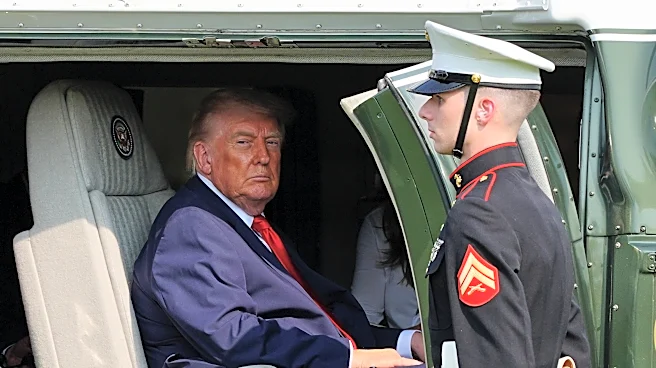
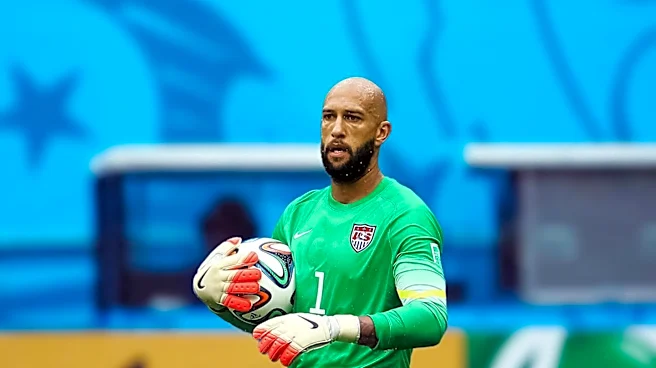
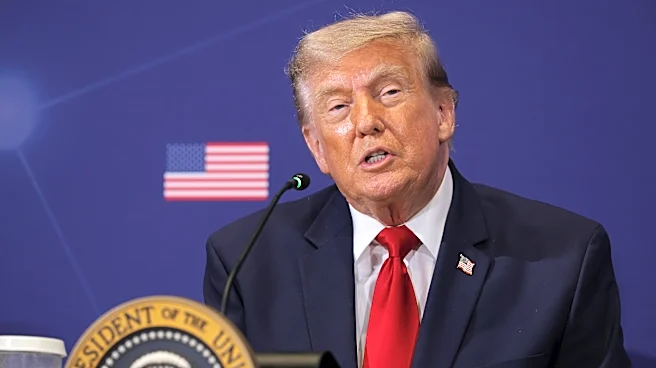
Joan Capdevila, a former defender for Spain's national soccer team, has reached out to President Trump for assistance in entering the United States to attend the World Cup final between Spain and Argentina. Capdevila, who was part of Spain's victorious
2010 World Cup team, has been denied entry under the U.S. Electronic System for Travel Authorization (ESTA). This denial stems from his participation in an exhibition match in Iran a decade ago, which disqualifies him from visa-free entry under current U.S. travel regulations. Capdevila expressed his plea on social media, tagging President Trump and U.S. Secretary of State Marco Rubio, as well as the Spanish government's ministry of sport. He hopes to join his former teammates in New Jersey to support the current Spanish squad.
Why It's Important?
This situation highlights the complexities and potential pitfalls of international travel regulations, particularly those involving the U.S. visa waiver program. The denial of Capdevila's ESTA application underscores the impact of past travel to certain countries on current travel eligibility, reflecting broader geopolitical considerations. For sports figures and fans, such restrictions can impede participation in global events, affecting personal and professional engagements. The incident also illustrates the intersection of sports and politics, as Capdevila's appeal to high-profile political figures underscores the influence of diplomatic relations on individual travel rights. This case may prompt discussions on the balance between security measures and the facilitation of international sports participation.
What's Next?
Capdevila's request for intervention from President Trump and other officials could lead to a review of his case, potentially resulting in a visa being granted. The U.S. Department of Homeland Security, which oversees the ESTA program, may provide further clarification or response to Capdevila's situation. Additionally, this incident could spark broader discussions within the sports community and among policymakers about the implications of travel restrictions on international sporting events. The outcome of Capdevila's appeal may influence future policy adjustments or exceptions for athletes and sports professionals facing similar travel challenges.